
Innovative disc prosthesis in Montreal: safeguarding spinal mobility
August 13, 2025
Conservative treatments versus surgery: understanding the indications, benefits, and limitations
August 13, 2025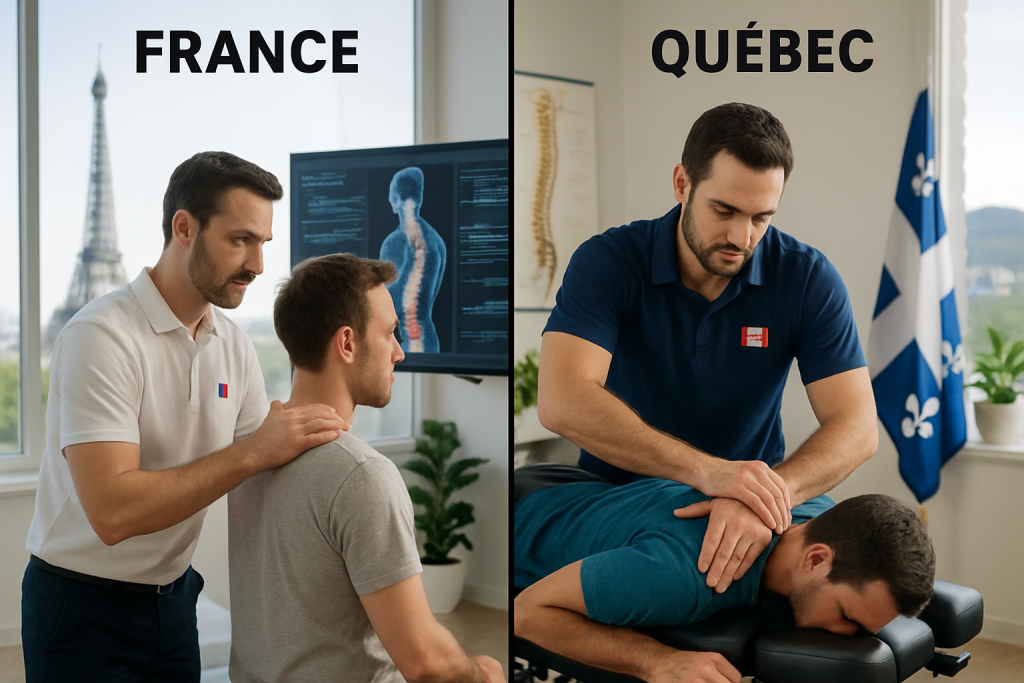
Across the Atlantic, spinal care unfolds through distinct yet complementary healthcare landscapes in France and Quebec. The growing prevalence of spinal disorders has led many patients in Quebec to explore innovative, timely alternatives available in France. This transatlantic collaboration blends advanced surgical techniques, sophisticated conservative treatments, and tailored patient pathways that optimize outcomes. French spinal surgery offers a broad spectrum of minimally invasive procedures and novel motion preservation technologies, often accompanied by shorter wait times compared to Quebec’s healthcare system. Leading experts like Dr. Sylvain Desforges play a pivotal role by supervising patient evaluation and specialized conservative care, facilitating a seamless transition for patients electing surgery abroad. The integration of French medical expertise with Quebec’s rehabilitation services fosters a multidisciplinary approach, addressing both the biomechanical and psychosocial dimensions of spinal health. Exploring these differences and synergies provides invaluable insights for enhancing spinal care delivery and patient experience across these two regions.
Advanced Spinal Surgery Techniques in France: Opportunities for Quebec Patients
The landscape of spinal surgery in France is marked by an impressive array of techniques designed to address diverse spinal pathologies effectively. French medical centers adapt surgical choices based on individual patient profiles and underlying conditions. Three principal categories emerge within the French surgical framework:
- Simple surgery: This includes endoscopic and minimally invasive decompression procedures aimed at relieving nerve compression caused by conditions such as radicular stenosis or herniated discs.
- Fusion surgery (arthrodesis): Employed for spinal instability and spondylolisthesis, this approach fuses vertebrae to provide long-term stability and chronic pain relief.
- Motion preservation techniques: Utilizing dynamic implants and disc prostheses, these procedures aim to maintain spinal mobility while stabilizing the affected segments.
The use of dynamic implants and innovative prostheses, such as those developed by French firms like Cousin Spine and Premia Spine, exemplifies France’s dedication to combining functional preservation with biomechanical support. These implants reduce stress concentration on neighboring spinal segments, lowering the risk of accelerated degeneration typically seen after fusion surgeries. In addition, minimally invasive techniques facilitated by technologies from medical device leaders such as Medtronic, Stryker, and DePuy Synthes have lowered infectious risks and expedited recovery times, enhancing patient experience and outcomes.
For Quebec patients, access to this breadth of treatment options represents valuable opportunities. Given extensive wait times in Quebec, French centers offer prioritized access to surgical interventions complemented by integrated pre-operative assessment and post-operative care. The coordination led by organizations like Franchir ensures patients receive personalized guidance, selecting surgeons and facilities best suited to their clinical needs, while streamlining travel and accommodation logistics.
| Technique | Primary Indications | Advantages | Benefits for Patients |
|---|---|---|---|
| Simple Surgery (Endoscopic, Minimally Invasive) | Radicular Stenosis, Disc Herniation | Reduced invasiveness, rapid recovery | Fast pain relief, minimal postoperative discomfort |
| Fusion Surgery (Arthrodesis) | Vertebral Instability, Spondylolisthesis | Durable stability, effective chronic pain management | Long-term pain reduction, spinal stabilization |
| Motion Preservation Techniques (Prostheses, Dynamic Implants) | Degenerative Disc Disease without Major Instability | Maintains mobility, protects adjacent segments | Preserves quality of life, less postoperative rigidity |
More details on these surgical innovations and their application can be found within EuroSpine’s 2025 courses and resources. These developments underscore how French spinal surgery intertwines patient-centric care with the latest biomechanical understanding and technological prowess, making it an increasingly compelling option for Quebec patients seeking timely and advanced care.


Understanding Sciatic Pain: Key Symptoms and When to Seek Medical Advice
Sciatic pain is a prevalent condition impacting a wide demographic, manifesting primarily as intense pain radiating from the lower back down the leg. This pain stems from irritation or compression of the sciatic nerve, a major nerve extending through the…
Coordinated Transatlantic Patient Pathways: From Quebec Assessment to Postoperative Rehabilitation
An efficient and safe transatlantic spinal care journey relies heavily on seamless collaboration among multidisciplinary teams spanning Quebec and France. Each patient embarks on a structured sequence of steps designed to optimize surgical candidacy and rehabilitation success:
- Comprehensive Initial Evaluation: The Clinique TAGMED under Dr. Sylvain Desforges conducts meticulous patient assessments involving medical history, imaging review, and physical evaluations to establish eligibility for specialized care pathways.
- Conservative Specialized Treatments: Prior to surgical consideration, patients undergo 3 to 6 months of conservative therapy. TAGMED provides cutting-edge neurovertebral decompression through computer-controlled robotic traction, which can often ameliorate symptoms without surgery.
- Personalized Surgical Orientation: Franchir coordinates the selection of highly experienced French surgeons and centers, tailoring the surgical plan to the patient’s condition while managing all logistical arrangements.
- Surgical Intervention and Immediate Follow-up: In France, patients benefit from expert surgical teams in facilities equipped with latest-generation tools from industry innovators such as Zimmer Biomet and NuVasive. Initial postoperative care begins on-site ensuring optimal recovery and complication monitoring.
- Return to Quebec and Postoperative Support: Neurothérapie Montréal provides ongoing rehabilitation, pain management, and functional restoration, maintaining continuity of care aligned with Quebec’s regulatory standards.
Effective communication across this continuum ensures that patients experience a coherent and empowering care journey. The collaboration showcases exemplary synergy between advanced European surgical methodologies and comprehensive North American rehabilitative services.
| Stage | Responsible Entity | Primary Objective |
|---|---|---|
| Initial Evaluation | Dr. Sylvain Desforges & TAGMED | Detailed clinical assessment and care pathway determination |
| Specialized Conservative Care | Clinique TAGMED | Symptom management and surgical deferral when possible |
| Surgical Orientation | Franchir | Surgeon selection and logistic organization |
| Surgical Procedure in France | French surgical teams | Execution of tailored interventions and early postoperative care |
| Postoperative Follow-up | Neurothérapie Montréal | Rehabilitation and long-term recovery support |
These clear delineations emphasize patient safety and care quality, while minimizing wait times and ensuring alignment with Québec’s healthcare standards. Such a multidisciplinary model is illustrative of innovative cross-border cooperation in specialist medical fields.

The Stepwise Role of Functional Recovery in Achieving Successful Outcomes
The journey to full recovery following spinal surgery is often complex and multifaceted, demanding a meticulously structured approach to ensure optimal functional outcomes. In recent years, the concept of functional recovery through a stepwise approach has garnered significant attention in…
Biomechanical, Economic, and Patient-Centered Benefits of Cross-Border Spinal Surgery
The choice to pursue spinal surgery in France by patients from Quebec manifests multifaceted advantages across biomechanical, economic, and human dimensions. Recognizing these benefits is instrumental for patients making informed decisions amid complex spinal care options.
- Biomechanical Advantages: Implementation of state-of-the-art implants, including dynamic stabilization systems like TOPS and Intraspine, has been demonstrated to restore spinal segment function effectively while minimizing adjacent segment disease risk. These implants, part of France’s extensive armamentarium, also benefit from advanced surgical navigation by systems involving SpineGuard and Exactech.
- Accelerated Functional Recovery: Minimally invasive robotic-assisted surgeries facilitated by technologies from companies such as Orthofix and EOS imaging promote early mobilization, which is essential for patients to swiftly return to active lifestyles.
- Economic Considerations: Despite initial outlays for travel and international care, comprehensive packages often yield cost savings relative to private-care alternatives in Quebec, which are burdened by longer wait times and elevated fees.
- Human Factors and Personalization: Continuous patient support, pre- and post-operatively, through experienced teams reduces anxiety and enhances adherence to rehabilitation plans, fostering superior overall outcomes.
- Regulatory Compliance and Ethical Oversight: The joint care protocols adhere strictly to French and Quebec regulatory frameworks, ensuring safety, innovation, and transparency throughout the patient journey.
This synergy of technical excellence, cost-effectiveness, and attentive patient management advances a model of care responsive to the nuanced needs of spine patients from diverse healthcare backgrounds.


Transatlantic Patient Journey: Insights into Indications, Benefits, and Challenges
The emergence of the Transatlantic Patient Journey as a strategic model within healthcare continues to capture attention for its innovative potential, especially in specialized fields such as spinal surgery. This cross-border care pathway integrates rigorous medical evaluation from Quebec with…
Innovative Conservative Care Approaches Before Surgery: Emphasis on Neurovertebral Decompression
Emphasizing conservative management prior to surgical intervention remains a cornerstone of contemporary spinal care philosophy. In France and Quebec, this approach prioritizes patient safety and potential symptom resolution without operative risks.
Clinique TAGMED exemplifies innovative conservative therapy through its utilization of computer-assisted neurovertebral decompression—an advanced, robotically controlled traction therapy. This method targets specific affected vertebral segments to relieve neural impingement rigorously. Clinical observations report significant symptom alleviation, often enabling patients to postpone or circumvent surgical intervention altogether.
- Integration of ergonomic guidance and controlled mobilization enhances spinal health and reduces disease progression risks.
- Meticulous clinical and functional monitoring ensures adjustments tailored to patient response and condition evolution.
- The expertise of Dr. Desforges guarantees adherence to rigorous scientific standards and ethical treatment implementation.
This measured, evidence-based pathway aligns with recommendations from authoritative sources, such as European guidelines and the Ministère de la Santé et des Services sociaux (MSSS). Conservative care forms the critical foundation before any transition toward surgical management. This careful progression evidences a commitment to avoid unnecessary surgeries and maintain spinal integrity.
| Therapy Component | Purpose | Expected Outcomes |
|---|---|---|
| Neurovertebral Decompression | Reduce neural compression via robotic traction | Symptom alleviation, possible surgery deferral |
| Ergonomic Advice | Improve posture and spinal loading | Prevention of symptom progression |
| Mobilization Control | Enhance spinal function through guided exercises | Improved mobility and reduced pain |
Further information regarding conservative spinal care modalities and their clinical evidence can be found in comprehensive reviews such as this article on lumbar spinal stenosis management.
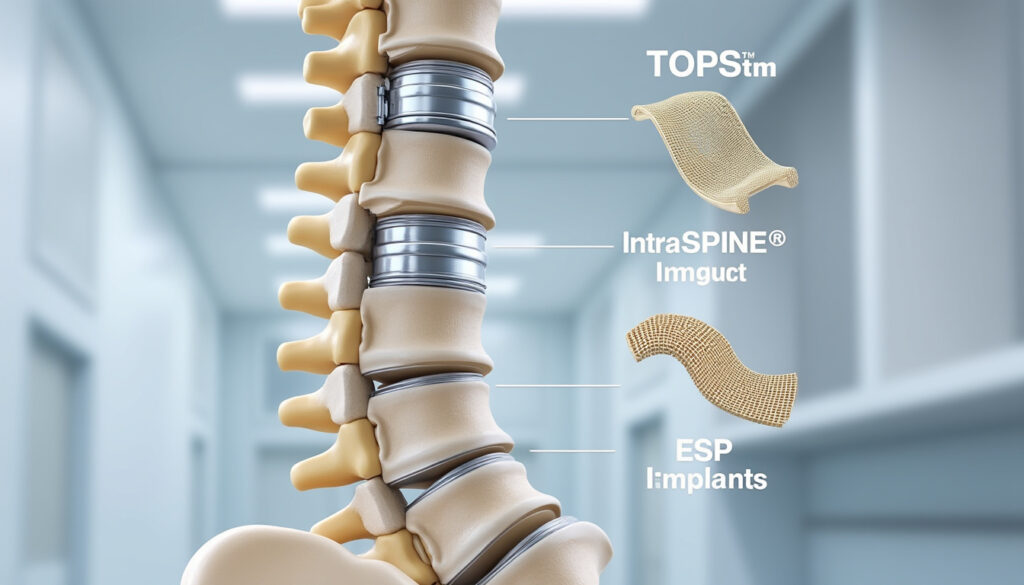
The evolving field of spinal surgery is witnessing a transformative shift, fueled by cutting-edge implant technologies such as TOPS, Intraspine, and ESP. These innovative implants redefine treatment possibilities by emphasizing preservation of natural spinal mechanics, while ensuring durable stabilization and…
Leveraging Expertise and Education: The Role of French and Quebec Academic Programs in Spinal Surgery Training
A key to the excellence in spinal care found in France and Quebec is the robust foundation in professional training and continuous education. French institutions like the Université de Bordeaux and the Société Française de Chirurgie Rachidienne (SFCR) offer specialized diplomas such as the Diplôme Inter-Universitaire de Chirurgie du Rachis, equipping surgeons with up-to-date knowledge and hands-on experience.
- Programs integrate biomechanical fundamentals, surgical techniques, and emerging technologies such as robotic assistance and advanced imaging.
- Formal certification ensures that practitioners maintain high standards aligned with the latest scientific evidence and ethical guidelines.
- European collaboration through entities like EuroSpine enables knowledge exchange and skill standardization, including spinal endoscopy courses available as of 2025.
Likewise, Quebec benefits from partnerships with universities such as the Université du Québec à Trois-Rivières and institutions focusing on chiropractic and osteopathy, which contribute to comprehensive spinal health education. This dual educational approach fosters cross-fertilization of best practices and innovation integration between both regions.
| Institution | Program | Focus Areas |
|---|---|---|
| Université de Bordeaux | Diplômes Universitaires et Interuniversitaires en médecine | Surgical techniques, biomechanics, research |
| Société Française de Chirurgie Rachidienne (SFCR) | DIU Chirurgie du Rachis | Advanced surgical training and certification |
| Université du Québec à Trois-Rivières | Chiropractic and Osteopathy Programs | Conservative spinal care and rehabilitation |
| EuroSpine | Spinal Endoscopy Courses | Minimally invasive spine surgery |
These academic structures ensure continuous improvement in spinal care delivery, enriching both the French and Quebec clinical environments with cutting-edge expertise and innovation.

Preparing for Surgery in France: Key Indications, Benefits, and Limitations
In an evolving global healthcare landscape, France emerges as a beacon of advanced surgical expertise, particularly attracting international patients seeking expedited and innovative medical interventions. Patients from regions experiencing long wait times, such as Quebec, increasingly view France as an…
Healthcare System Structures Impacting Spinal Care: Contrasts Between Quebec and France
The organization of healthcare systems in Quebec and France directly influences spinal care accessibility, quality, and patient satisfaction. Quebec operates a publicly funded healthcare system where medical services are free at the point of use. Nonetheless, this system faces challenges, including substantial wait times for specialist consultations and limited public coverage for certain services like physiotherapy.
Private clinics in Quebec provide expedited spinal care access but often involve significant out-of-pocket expenses. In contrast, France offers a hybrid model integrating both public and private sectors, with faster access to specialized spinal surgeries and a strong emphasis on physical activity and spontaneous acute case remission within conservative care pathways. The French system’s structure benefits from a well-established network of expert centers and comprehensive insurance coverage that reduces financial barriers.
- Quebec’s focus remains on chronic spinal pain management and comprehensive rehabilitation.
- France prioritizes early intervention, innovative surgical options, and accelerated recovery.
- Collaboration between French and Quebec care providers leverages each system’s strengths to optimize patient outcomes.
These distinct frameworks underline why Quebec patients increasingly look towards France for timely, advanced spinal treatments, often facilitated by transnational collaborative programs documented in healthcare analyses such as the comparative rehabilitation studies published by INESSS and in clinical care reviews.

Unveiling the Hidden Benefits of Quality and Certification in Devices
The landscape of device manufacturing and clinical application in 2026 has been fundamentally shaped by the rigorous interplay between quality management and certification processes. Within this complex framework, the hidden benefits of adhering to international standards and obtaining relevant certifications…
Technological Innovations Driving Spinal Care Excellence in Both Regions
Technological innovation plays a pivotal role in advancing spinal care across France and Quebec. The incorporation of robotic surgical systems and advanced imaging modalities has revolutionized the precision and safety of spinal interventions. For instance, eCential Robotics secured FDA approval for a spine navigation and robotic assistance platform in recent years, setting new standards globally.
French institutions actively integrate these technologies, utilizing systems from manufacturers such as Medtronic, NuVasive, and Stryker, while Quebec centers embrace advancements like 3D-printed spinal vertebrae for surgical planning and customized implants. The fusion of expertise and technology creates a fertile ground for research and clinical excellence.
- Robotic-assisted minimally invasive surgery enhances accuracy and reduces tissue trauma.
- Advanced imaging from EOS imaging provides comprehensive load-bearing spinal assessments, aiding surgical planning.
- Utilization of Globus Medical and SpineGuard devices improves instrument navigation and patient safety.
Such innovations align with a global trend emphasizing less invasive procedures and better functional outcomes. Continuous professional development programs ensure surgeons from both regions remain at the forefront of these technological evolutions.
| Feature ▲▼ | France ▲▼ | Quebec ▲▼ |
|---|
Why Experts Advocate for Comprehensive Preoperative Evaluations
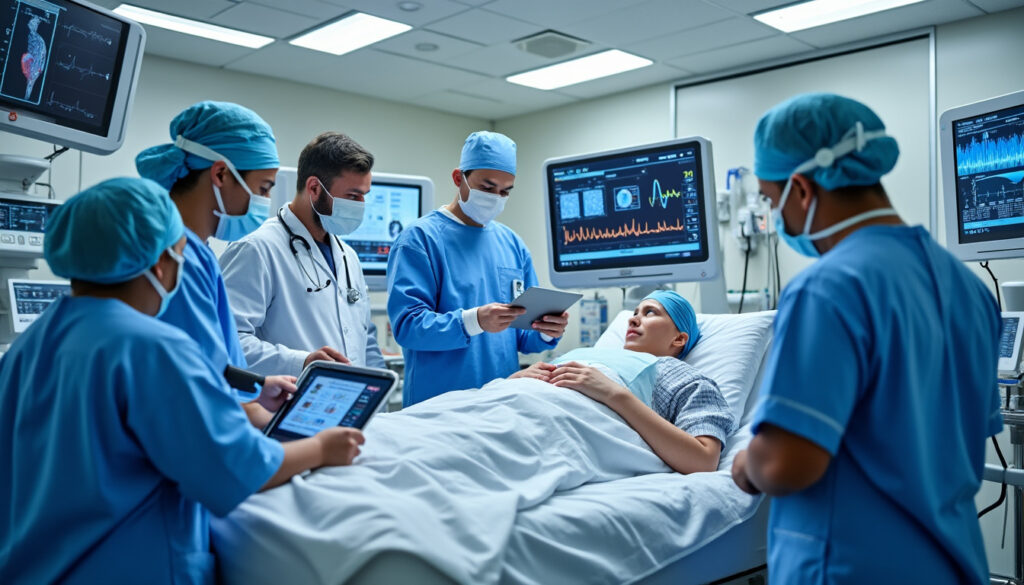
In the complex and demanding field of spinal surgery, the emphasis on comprehensive preoperative evaluations has become a fundamental pillar supporting successful surgical outcomes. These evaluations, far beyond mere routine checks, integrate detailed analyses of patient health, surgical risk assessments,…
Enhancing Spinal Pain Management Through International Collaboration and Shared Expertise
Addressing spinal pain effectively demands multifaceted strategies and close collaboration among healthcare stakeholders. France and Quebec, by merging their strengths, demonstrate how comparative analyses inform better clinical protocols and patient satisfaction.
France’s emphasis on integrating innovative surgical solutions complements Quebec’s strength in chronic care and rehabilitation, enriching pain management approaches. This synergy is highlighted in studies published in forums such as the World Journal of Clinical Cases and NCBI Bookshelf.
- Cross-border data exchanges enhance understanding of spinal pathology trends and treatment outcomes.
- Shared educational initiatives foster skill development benefiting both regions.
- Collaborative research paves the way for novel interventions and patient-centered care models.
Such international partnerships set a precedent for globalization in healthcare, ensuring patients benefit from the latest advances regardless of geographic boundaries.
The Future of Surgery Lies in Stepwise Functional Recovery
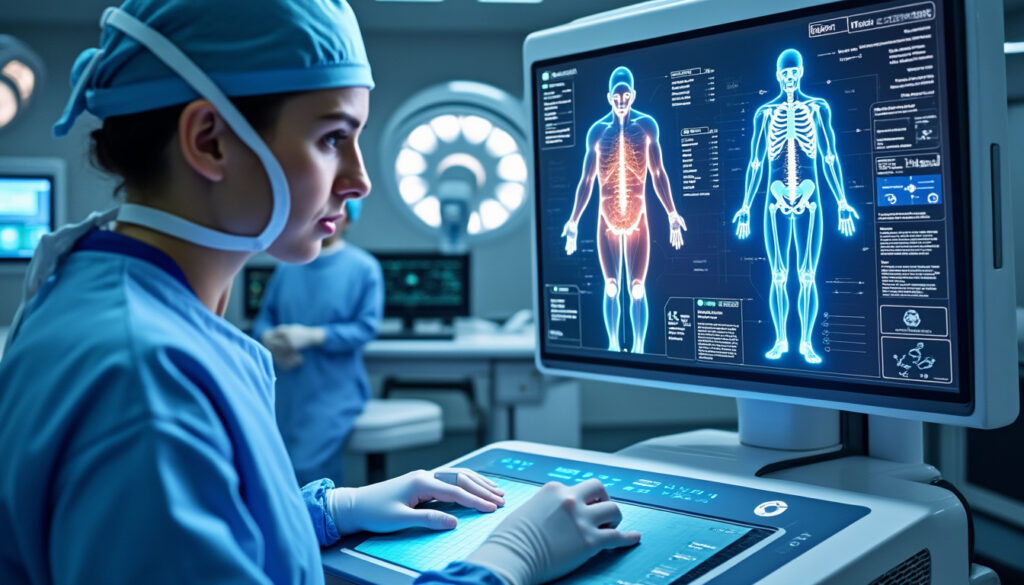
The evolution of surgical care in 2026 reveals a compelling shift toward approaches that prioritize the holistic recovery of patients, moving beyond traditional metrics like length of hospital stay or mortality rates. This modern paradigm highlights the principle that the…
Frequently Asked Questions Concerning Spinal Surgery in France for Quebec Patients
What are the typical waiting times for spinal surgery in France compared to Quebec?
In France, streamlined coordination via organizations like Franchir enables waiting times generally limited to a few weeks. Contrastingly, Quebec has longer delays that can extend to several months or even years, amplifying patient discomfort and disability risks.
Is transatlantic spinal surgery in France cost-effective compared to Quebec’s private options?
While transatlantic care involves travel expenses, the comprehensive evaluation, surgery, accommodation, and follow-up in France often result in overall cost savings compared to private Quebec care, known for high fees and extended wait times.
Are specialized implants such as dynamic stabilizers available in France but not in Quebec?
Yes, implants like TOPS and Intraspine prostheses and advanced disc replacements offered by French companies like Cousin Spine are more commonly available in France than in Quebec, offering enhanced biomechanical preservation.
What does postoperative care involve following spinal surgery in France?
Upon return to Quebec, Neurothérapie Montréal provides extensive rehabilitation including personalized physical therapy, pain management, and functional monitoring to ensure a gradual and safe recovery process aligned with local standards.
Is a trial of conservative therapy required before considering surgery?
Indeed, patients are advised to undergo a minimum of 3 to 6 months of intensive conservative treatments, including neurovertebral decompression, ergonomic updates, and controlled mobilization at centers like TAGMED before moving to surgical options.