Optimum Signs for Presence and Degree of Lumbar Disc Herniation
December 19, 2011
How to Fix Hip and Back Pain on One Side
November 14, 2022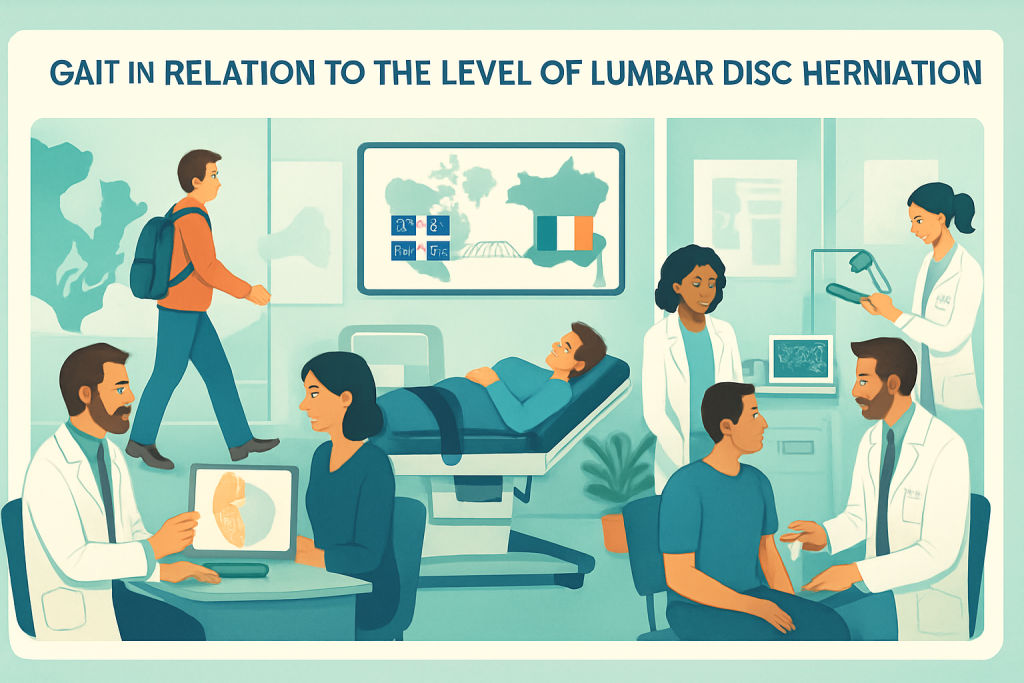
The complex relationship between lumbar disc herniation and gait abnormalities presents an important dimension in understanding spinal health and functional mobility. Lumbar disc herniation, a prevalent orthopedic condition, often manifests in altered walking patterns due to neurological deficits and musculoskeletal impairments. Recent advances in biomechanical gait analysis and neuromuscular evaluation provide deeper insights into how varying levels of herniation at L4–L5 or L5–S1 influence lower limb functions such as ankle dorsiflexion, plantar flexion, knee joint moments, and muscle activation patterns. More than mere mechanical disruptions, these changes impact patients’ everyday mobility, energy consumption, and postural stability, requiring a comprehensive evaluation and personalized therapeutic approach. Highlighting contributions from leading experts like Dr. Sylvain Desforges, known for integrating evidence-based osteopathic evaluations with emerging technologies, this article explores how gait assessment correlates with lumbar disc pathology severity and location, emphasizing innovative, patient-centered care models. Understanding these biomechanical nuances aids clinicians and patients alike in optimizing non-surgical interventions, improving postural control, and enhancing quality of life amid lumbar disc disorders.
Biomechanical Impact of Lumbar Disc Herniation on Gait Patterns
Spinal issues, particularly lumbar disc herniations, disturb the intricate balance of neuromuscular control during locomotion. Patients afflicted with disc herniations at specific lumbar levels often exhibit characteristic alterations in gait that reflect underlying deficits in muscle strength, joint mobility, and neurological function. For example, herniation at L4–L5 and L5–S1 levels differentially affect muscle groups controlling ankle movements vital to gait propulsion and stability. Research studies, such as those summarized by Hurwitz et al. (2000), demonstrate significant reductions in ankle plantar flexion moments linked to compromised dorsiflexor function in both L4–L5 and L5–S1 herniation patients. More specifically, diminished ankle dorsiflexion moments, signifying weakness of plantar flexors, were predominantly observed in L5–S1 lesions but not in L4–L5 cases. This differential impact underlines the importance of pinpointing the exact herniation level for optimal therapeutic targeting.
Beyond ankle biomechanics, lumbar herniations trigger compensatory gait modifications including reduced cadence and increased muscle co-contraction for stabilization, which can ultimately elevate the energy cost of walking. Studies measuring spatiotemporal parameters outline how patients often adopt slower walking speeds, shorter step lengths, and prolonged double support phases, reflecting cautious gait patterns intended to mitigate pain and instability. Surface electromyography (sEMG) analyses reveal heightened muscle activation during walking, suggesting attempts to counteract instability caused by neural impairment.

Understanding these biomechanical changes is essential for crafting individualized rehabilitation plans. Such insight directs the selection of supportive devices and physical therapy targeting the weakened muscle groups and impaired motor strategies. Incorporating advanced diagnostic tools, including three-dimensional gait analysis and kinetic assessment, helps clinicians like Dr. Sylvain Desforges refine treatment approaches by correlating clinical symptoms with functional deficits, enhancing recovery outcomes.
| Herniated Disc Level | Muscle Function Impacted | Gait Parameter Changes | Clinical Implication |
|---|---|---|---|
| L4–L5 | Reduced ankle dorsiflexion moment | Decreased cadence, slower walking speed | Focus on dorsiflexor strengthening and gait stability training |
| L5–S1 | Reduced plantar flexion and dorsiflexion moments | Increased double support phase, increased muscle co-contraction | Comprehensive neuromuscular rehabilitation with supportive orthoses |
Engaging patients with evidence-driven explanations of their gait alterations enhances adherence to multimodal rehabilitation plans that harness technologies such as those from DonJoy, Össur, and Bauerfeind. These devices aid in reducing biomechanical strain during ambulation, thereby complementing therapies addressing neurological recovery.
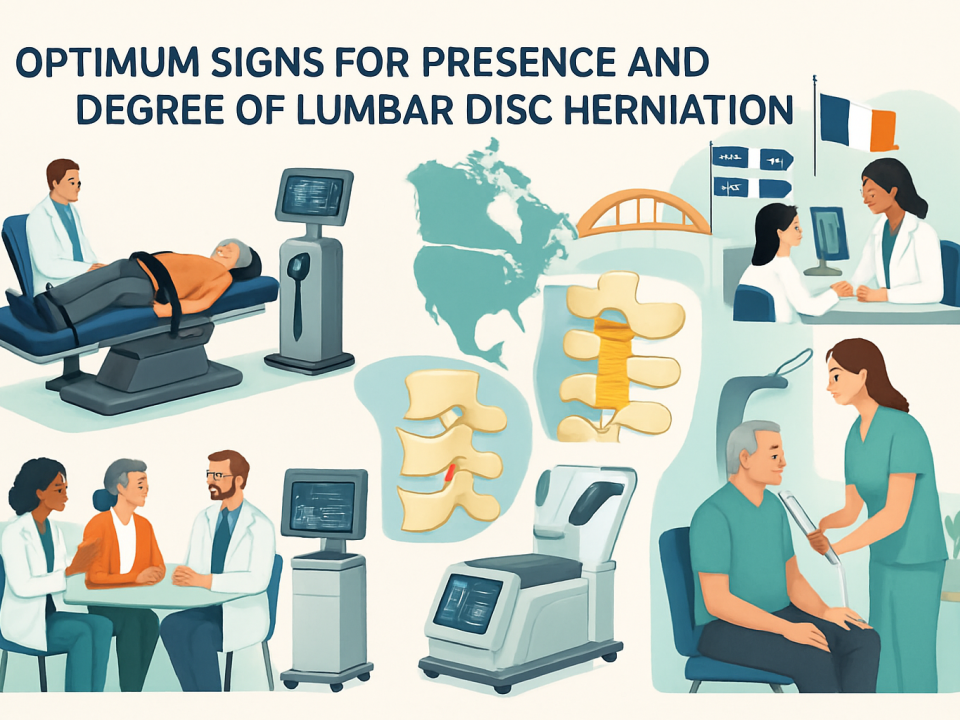
Optimum Signs for Presence and Degree of Lumbar Disc Herniation
The prevalence of lumbar disc herniation remains a significant concern in musculoskeletal and neurological health worldwide. Emerging as a prevalent source of low back pain, it poses diagnostic challenges and demands nuanced clinical and radiographic evaluation to optimize patient outcomes.…
Neuromuscular Dysfunction and Its Role in Walking Difficulties Among LDH Patients
Neuromuscular compensation is a critical aspect of gait disturbances observed in lumbar disc herniation (LDH). The irritation or compression of nerve roots by herniated disc material leads to altered control of motor units, disrupting normal timing and intensity of muscle contractions during gait cycles. Surface electromyography studies establish increased root mean square (RMS) amplitude and median frequency (MDF) changes in muscles responsible for limb movement in LDH patients, indicating heightened neuromuscular effort and fatigue. This phenomenon results in inefficient gait characterized by increased muscular co-contraction in an effort to stabilize the affected joints and manage pain.
This increased muscle activation is paradoxical, as it impairs gait flexibility and elevates metabolic cost. The lumbar disc herniation induces patients to adopt compensatory postures, including asymmetric step patterns and shortened stride lengths. These adaptations help minimize discomfort but predispose them to secondary musculoskeletal issues such as overuse syndromes and further degenerative changes in other spinal segments. Dr. Sylvain Desforges emphasizes the significance of early neuromuscular assessment within his integrative spine care model to mitigate such sequelae and tailor rehabilitation effectively.
- Heightened muscle activation signals increased effort during gait, leading to fatigue
- Altered timing of muscle firing disrupts coordinated movement
- Compensatory gait asymmetry aimed at reducing discomfort increases secondary injury risk
- Continuous monitoring of neuromuscular function guides therapy adaptations over time
Utilizing advanced therapies including laser and shockwave treatments, combined with osteopathic manipulative interventions, contributes to restoring neuromuscular coordination. Such interventions are central to Dr. Desforges’ clinic TAGMED, which operates under strict ethical and scientific standards, in compliance with Quebec medical regulations.
For patients and healthcare professionals seeking deeper insights into abnormal gait mechanics linked to lumbar disc herniation, refer to detailed analyses found in publications such as: Biomechanical and neuromuscular characterization of LDH gait and Muscle function during gait with lumbar herniation.
Chronic low back pain affects millions globally, prompting the development of diverse treatment strategies. Among these, non-surgical spinal decompression therapy has emerged as a prominent conservative option, acclaimed for its potential to alleviate pain without invasive procedures. This treatment aligns…
Insights into Ankle and Knee Joint Kinetics Reflecting Herniation Level
The joint kinetics at the ankle and knee during walking offer valuable clues about the specific lumbar disc herniation level a patient may be experiencing. Advanced gait kinetic studies by orthopedic researchers reveal that external moments at these joints vary distinctly between L4–L5 and L5–S1 herniations. For patients with L4–L5 disc herniations, a reduction in ankle dorsiflexion moments points toward weakened tibialis anterior muscle function. Conversely, L5–S1 herniations often present with deficits in both dorsiflexion and plantar flexion, indicating more widespread muscular impairment.
During gait, the ankle’s role in pushing off the ground is critical for propulsion, balance, and energy efficiency. Reduced plantar flexion moments weaken this push-off phase, leading to a slower gait cycle and increased energy expenditure. Meanwhile, knee joint kinetics affect shock absorption and forward momentum management. These biomechanical observations align with patient-reported symptoms such as altered foot drop, leg weakness, and imbalance.
| Kinetic Feature | L4–L5 Herniation | L5–S1 Herniation |
|---|---|---|
| External ankle plantar flexion moment | Reduced | Significantly reduced |
| External ankle dorsiflexion moment | Reduced | More pronounced reduction |
| Knee joint moment asymmetry | Less pronounced | More asymmetrical |
Recognizing these kinetic deviations is critical when selecting orthotic devices from trusted manufacturers like Aspen, Mueller Sports Medicine, and Thuasne. These devices provide targeted support that compensates for specific joint weaknesses, reduces strain, and improves gait smoothness. Understanding kinetic differences also informs surgical considerations and complements non-invasive spinal decompression therapies that Dr. Sylvain Desforges advocates.
CLINICAL STUDIES ON THE EFFECTIVENESS OF SPINAL DECOMPRESSION
Spinal decompression therapy stands at the forefront of non-invasive treatments for chronic low back pain, a condition that persists as a major health challenge worldwide. Affecting up to 85% of individuals during their lives, low back pain not only diminishes…
Clinical Application of Gait Analysis in Personalized Spine Care
Gait analysis has evolved into an indispensable tool in the personalized management of lumbar disc herniation. It guides the mapping of functional deficits associated with different disc herniation levels and enables precise treatment planning without immediate reliance on invasive procedures. Dr. Sylvain Desforges, with extensive expertise in osteopathic and naturopathic disciplines, integrates objective gait assessments with patient history and advanced imaging to create comprehensive care plans that prioritize conservative yet effective methodologies.
By quantifying gait parameters such as step length, cadence, and muscle co-contraction intensities, clinicians can classify the severity of functional impairment and monitor therapeutic responses dynamically. This data-driven approach supports decisions such as the selection of spinal decompression protocols, orthotic prescriptions from industry leaders like Stryker and Sammons Preston, and adjunctive modalities like laser therapy. Importantly, this strategy aligns with strict adherence to the Collège des médecins du Québec’s ethical and clinical guidelines, emphasizing patient-centered outcomes and safety.
- Objective identification of specific biomechanical deficits
- Customization of rehabilitation programs based on individual gait metrics
- Enhanced monitoring of progression or improvement during treatment
- Integration with cutting-edge non-surgical decompression devices
- Supporting transatlantic patient coordination, optimizing treatment timelines
The clinical utility of gait analysis extends beyond diagnosis to fostering motivated patient engagement by visually demonstrating their progress. Such empowerment accelerates compliance and allows practitioners to fine-tune interventions responsively.

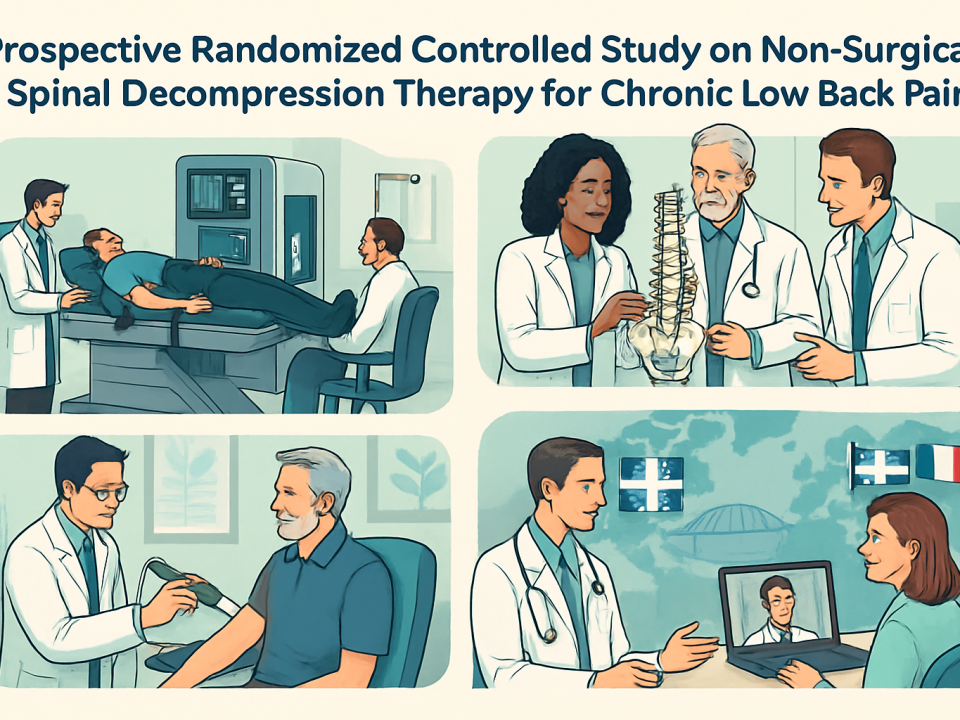
Nonsurgical Spinal Decompression To Treat Chronic Low Back Pain
Chronic low back pain remains one of the most pervasive health challenges worldwide, affecting millions and severely impairing quality of life. As individuals seek alternatives to invasive surgeries, nonsurgical spinal decompression therapy emerges as a pioneering approach offering hope for…
Innovations in Non-Surgical Management of LDH Addressing Gait Abnormalities
As surgical interventions carry inherent risks, the evolving landscape in non-surgical treatments aims to correct gait dysfunctions safely and effectively. Pioneers like Dr. Sylvain Desforges champion neurovertebral decompression therapy combined with adjunctive laser and shockwave modalities to reduce nerve root inflammation, restore mobility, and recalibrate neuromuscular function. These advanced interventions mitigate abnormal gait mechanics and improve overall quality of life for LDH patients.
Technological progress from Stryker and Medtronic supports minimally invasive devices that assist in spinal stabilization and dynamic implant solutions, although not always readily available in Canada. Consequently, international collaborations enhance patient access to such innovations through coordinated care plans, notably between Québec and France. This synergy accelerates care delivery, reduces waiting periods, and introduces patients to advanced therapeutic options tailored to their herniation profiles and gait impairments.
- State-of-the-art non-surgical spinal decompression devices facilitate natural disc rehydration
- Laser and shockwave therapies target neuromuscular inflammation and pain
- Dynamic spinal implants provide biomechanical support where appropriate
- Advanced orthotic devices from Ottobock and Bauerfeind complement therapy by improving gait mechanics
- Collaboration through SOS Tourisme Médical bridges patient care internationally
These innovations exemplify a patient-centric model embedded with scientific rigor and ethical compliance, underscoring Dr. Desforges’ commitment to safe, evidence-based spine care.

Spinal decompression outcome of clinical study
In recent years, spinal decompression therapy has emerged as a promising non-invasive treatment for patients suffering from herniated discs and other degenerative spinal conditions. The efficacy of this approach is under continual scrutiny through clinical studies evaluating both immediate and…
Integrating Multidisciplinary Expertise in Managing Gait Dysfunction in Lumbar Disc Herniation
Complex spinal disorders manifesting as gait dysfunction require an interdisciplinary strategy that combines expertise from osteopathy, physiotherapy, orthopedic surgery, and rehabilitation specialists. Dr. Sylvain Desforges’ role as president of institutions such as the Canadian College of Osteopaths and ACMA ensures that his approach benefits from a broad network of professionals dedicated to evidence-based, patient-focused care.
This approach facilitates coordinated assessments that integrate gait biomechanics with neurologic examinations, imaging diagnostics, and psychosocial evaluations. Each patient’s uniqueness is respected, providing tailored interventions that include:
- Osteopathic manipulative treatment aimed at spinal realignment
- Targeted physical therapy to restore muscle balance and flexibility
- Use of advanced orthoses from Thuasne and Mueller Sports Medicine to enhance joint support
- Psychological support to address chronic pain-related anxiety impacting gait
- Regular functional assessments enabling personalized care adjustment
Such comprehensive management reduces the likelihood of recurrent herniation and preserves long-term mobility. Collaborations extend internationally with French medical centers, ensuring seamless patient experience and access to surgical expertise when conservative treatments reach their limits.

Candiac Back Pain Relief for Herniated Disc Sufferers
Back pain stemming from herniated discs remains a challenging and widespread issue impacting many individuals in Candiac and the surrounding Quebec regions. This condition often leads to persistent discomfort, restricted mobility, and diminished quality of life for sufferers. In the…
The Role of Gait Assessment in Predicting and Preventing Recurrent Lumbar Disc Herniation
Recurrent lumbar disc herniation poses significant challenges in spine care, often emerging from unresolved biomechanical imbalances and improper rehabilitation. Gait analysis serves as a predictive tool to identify patients at elevated risk by detecting lingering functional deficits post-treatment. Clinical investigations highlight that persistent abnormalities in joint moments and muscle coordination can foreshadow recurrent herniation episodes.
Dr. Sylvain Desforges advocates for ongoing gait monitoring within patient follow-ups, leveraging data to personalize maintenance therapy and optimize spine loading patterns. This preventive approach aligns with the latest research emphasizing rehabilitation beyond immediate symptom relief.
- Identification of specific gait deficits indicating instability or improper loading
- Early intervention strategies geared toward correcting biomechanical flaws
- Use of custom orthotic supports from Bauerfeind and DonJoy to mitigate stress on affected spinal levels
- Integration of patient education on ergonomics and lifestyle modifications
- Collaboration with international centers for complex case management and second opinions
Applying such rigorous gait evaluation protocols contributes to long-term spine health preservation and reduces the societal and economic burden of recurrent LDH.

Saint-Eustache Neck Herniation Solutions Using Decompression
Neck pain, often stemming from conditions like herniated disc and cervical spine disorders, is a widespread affliction impacting millions globally. Residents of Saint-Eustache facing such challenges now have access to innovative, non-surgical treatment options that tackle the root causes of…
Educational Strategies for Patients and Clinicians on Gait and Lumbar Disc Herniation
Clear, accessible education is fundamental to empowering patients and healthcare professionals to understand and tackle gait disturbances linked with lumbar disc herniation. Dr. Sylvain Desforges prioritizes transparent explanations of pathophysiology, clinical signs, and treatment options to foster informed decision-making and reduce anxiety in affected individuals.
Breaking down complex biomechanical principles into understandable narratives aids patients in comprehending how their condition correlates to observed gait changes. Clinicians benefit from detailed yet comprehensible guidelines on interpreting gait analyses and integrating findings into holistic care strategies.
- Use of visual aids and gait analysis reports to communicate functional impairments
- Workshops and seminars organized by ACMA and Canadian College of Osteopaths for healthcare professionals
- Development of multilingual online educational content accessible via platforms like SOSherniateddisc.com
- Guidance on recognizing early symptoms that affect mobility and gait
- Encouragement of patient feedback loops to enhance personalized care plans
Such educational frameworks foster collaboration, adherence to recommended therapies, and timely interventions.
Disc herniation remains a prevalent and challenging spinal disorder, significantly affecting individuals’ quality of life, particularly in communities like Sainte-Julie. Characterized by a rupture or protrusion of the disc nucleus through the fibrous ring, this condition compresses adjacent nerve roots,…
Key Technologies and Orthopedic Devices Enhancing Gait Rehabilitation in Lumbar Disc Herniation
The intersection of biomechanics and medical technology has revolutionized the therapeutic landscape for gait impairments stemming from lumbar disc herniation. Praised brands such as Stryker, Medtronic, Bauerfeind, DonJoy, Ottobock, Mueller Sports Medicine, Thuasne, Aspen, and Sammons Preston provide orthopedic devices and technological solutions pivotal for supporting weakened joints, stabilizing spine segments, and improving muscular efficiency during walking.
Products include:
- Advanced orthoses providing targeted compression and stabilization to the lumbar and lower extremity joints.
- Dynamic spinal implants that enable motion preservation and load distribution in the lumbar spine.
- High-tech decompression tables used in non-surgical therapy empowering disc rehydration and pressure relief.
- Wearable sensors that monitor real-time gait parameters and provide data for ongoing therapy adjustments.
- Cutting-edge laser and shockwave devices enhancing soft tissue healing and neuromuscular function.
Using these devices as part of a multidisciplinary spine care program, supervised by experts like Dr. Sylvain Desforges, can markedly improve patient outcomes and gait restoration. Their incorporation underscores a personalized, technologically advanced, and ethical approach to spinal health management.
For patients interested in understanding specific device applications and how they integrate into spinal decompression programs, detailed information is available through Dr. Desforges’ educational outreach on spinal decompression therapy.
What role do different lumbar disc herniation levels play in gait abnormalities?
Different levels of lumbar disc herniation impact gait by various mechanisms. Herniations at L4–L5 primarily reduce ankle dorsiflexion moments causing difficulty in lifting the foot and leading to a slower walking cadence. In contrast, L5–S1 herniations affect both plantar and dorsiflexion moments, resulting in greater instability during push-off and increased muscle co-contraction to maintain balance. These mechanistic differences demand tailored assessments and interventions corresponding to the herniation site.
How can advanced gait analysis inform patient care for lumbar disc herniation?
Advanced gait analysis quantifies specific changes in spatiotemporal parameters, joint kinetics, and muscle activation. Such detailed assessments allow clinicians to identify precise functional impairments, helping customize rehabilitation plans and orthotic device selection. Furthermore, ongoing gait monitoring provides feedback on therapy efficiency and enables timely adjustments to maximize recovery.
Are non-surgical treatment options effective in addressing lumbar disc herniation-related gait issues?
Yes, non-surgical treatments such as neurovertebral decompression therapy, laser and shockwave therapies, ergonomic orthoses, and osteopathic manipulative therapies have demonstrated efficacy in alleviating pain, improving neuromuscular function, and restoring more normal gait patterns. When combined thoughtfully as part of a personalized care plan, these options reduce the need for invasive surgeries for many patients.
What collaboration exists to enhance lumbar disc herniation treatment across borders?
International collaborations, including partnerships between Canadian experts like Dr. Sylvain Desforges and leading French spine surgeons facilitated by platforms such as SOS Tourisme Médical, optimize patient outcomes by combining expertise, accelerating treatment timelines, and improving access to innovative surgical and non-surgical therapies unavailable locally. This cross-border coordination enhances personalized spine care delivery on a global scale.
How do orthopedic devices contribute to rehabilitation and gait improvement in lumbar disc herniation?
Orthopedic devices from brands like Bauerfeind, DonJoy, and Ottobock provide crucial support to compromised joints, improve joint alignment, distribute mechanical loads, and augment muscular function during gait. Their integration into rehabilitation plans assists in stabilizing the lumbar region and lower limb during walking, thus helping patients regain confidence, reduce pain, and prevent further injury.