Nonsurgical Spinal Decompression To Treat Chronic Low Back Pain
September 15, 2011
Chiropractic management of chronic idiopathic meralgia paresthetica: a case study – Corrected Proof
November 14, 2011
Spinal decompression therapy stands at the forefront of non-invasive treatments for chronic low back pain, a condition that persists as a major health challenge worldwide. Affecting up to 85% of individuals during their lives, low back pain not only diminishes quality of life but also imposes a significant economic burden, often leading to disability and decreased functional capacity. Over the past decades, conservative treatments have been evolving, aiming to provide effective relief without resorting to surgery or long-term medication dependency.
Scientific advancements and clinical research have propelled spinal decompression into a promising therapeutic option. By leveraging technologies that gently stretch the spine, spinal decompression creates negative intradiscal pressure, which facilitates oxygen and nutrient flow to damaged discs, promoting healing. However, skepticism remains due to varying study designs and limited standardization in treatment protocols. This article delves deeply into the most recent and comprehensive clinical studies on spinal decompression’s efficacy, exploring both objective imaging findings and subjective patient outcomes.
Exploring data from multiple retrospective and controlled trials, it becomes evident that spinal decompression substantially reduces pain, enhances functionality, and even induces measurable anatomical changes within intervertebral discs. Insights from MRI evaluations demonstrate increases in disc height and reductions in herniation volumes following treatment, validating patient-reported improvements corroborated by disability scales. Furthermore, comparisons with conventional motorized traction reveal that spinal decompression offers comparable benefits while incorporating advanced computerized mechanisms to minimize muscle spasms and optimize patient comfort.
Within the domain of spinal health innovation, specialists like Dr. Sylvain Desforges emphasize evidence-based approaches and patient safety, pioneering access to cutting-edge methods such as neurovertebral decompression and dynamic spinal implants. The therapeutic landscape continues to evolve with multidisciplinary, personalized care plans, enhanced by international collaborations optimizing patient journeys across borders.
This thorough analysis not only highlights spinal decompression’s therapeutic potential but also addresses current challenges and areas for future research, making it essential reading for patients and practitioners seeking advanced, less invasive spine care strategies.
Comprehensive Clinical Evidence Demonstrating the Effectiveness of Spinal Decompression
In clinical research, non-surgical spinal decompression (NSSD) has gathered significant attention due to its role in addressing lumbar intervertebral disc lesions and associated symptomatology. Numerous studies have systematically assessed its impact, employing validated pain scales like the Visual Analog Scale (VAS), disability metrics such as the Oswestry Disability Index (ODI), and advanced imaging techniques including magnetic resonance imaging (MRI).
A key retrospective case series involving 13 patients with chronic lumbar disc conditions treated on a standardized decompression device demonstrated compelling results. After 20 sessions, 86% of patients experienced immediate symptom resolution with eight out of ten remaining pain-free three months post-treatment. Quantitative MRI analysis confirmed an average increase in disc height by approximately 1.5 mm and anterior-posterior canal diameter expansion, which correlates with neural decompression and symptom relief. Furthermore, a 77% reduction in disc herniation size and notable Modic changes—markers of vertebral bone marrow inflammation and healing—were documented. These structural improvements underpin the functional recovery reported by patients, who noted an 80% median decrease in pain and a 50% enhancement in disability scores.
Broadening the scope, studies comparing spinal decompression with traditional motorized traction reveal significant advantages of both treatments over conventional physiotherapy alone. In a comprehensive cohort of 160 patients, those receiving NSSD alongside standard care exhibited reductions in pain and functional impairment superior to physiotherapy alone, though similar in effectiveness to motorized traction. Such findings suggest spinal decompression’s mechanism—computer-controlled segmental distraction—optimizes disc healing by minimizing paraspinal muscle activation, differentiating it from manual or motorized traction.
Additional research carried out at leading institutions like the Mayo Clinic corroborates these findings. Their phase II, multi-center prospective study confirms that standardized, non-surgical spinal decompression is both safe and clinically effective for adults suffering chronic low back pain, with sustained benefits extending to one year post-treatment. The integration of rigorous methodologies and large patient samples in these studies lends robust support to spinal decompression as a viable conservative modality.
Below is a summary table showcasing significant clinical findings from pivotal studies:
| Study | Sample Size | Treatment Sessions | Pain Reduction (VAS) | Disability Improvement (ODI) | Imaging Improvements |
|---|---|---|---|---|---|
| USF Case Series | 13 | 20 | 80% median improvement | 50% median improvement | 1.5mm disc height increase, 77% herniation reduction |
| Comparative Study with Traction | 160 | ~16 | ~22% reduction with NSSD | ~37% improvement with NSSD | Not specified |
| Mayo Clinic Prospective Trial | 100+ | Varied | Significant, sustained at 1 year | Significant functional gains | Documented canal diameter increase |
These data emphasize the reproducibility of spinal decompression therapy outcomes in diverse patient populations and reinforce its status as a scientifically validated treatment alternative for lumbar disc pathology.

Key Clinical Benefits of Spinal Decompression Therapy
- Effective pain reduction: Significant alleviation of low back and radicular leg pain
- Functional improvement: Enhanced mobility and reduction in disability scores
- MRI-confirmed anatomical changes: Increased disc height and reduced disc herniation volume
- Non-invasive approach: Avoidance of surgical risks and medication side effects
- Applicability across diverse patient profiles: Both acute and chronic cases respond favorably
For further detailed analyses and study texts, healthcare professionals and patients can explore comprehensive resources such as the reports available at Advanced Pain Centres and reviews hosted by the Mayo Clinic.
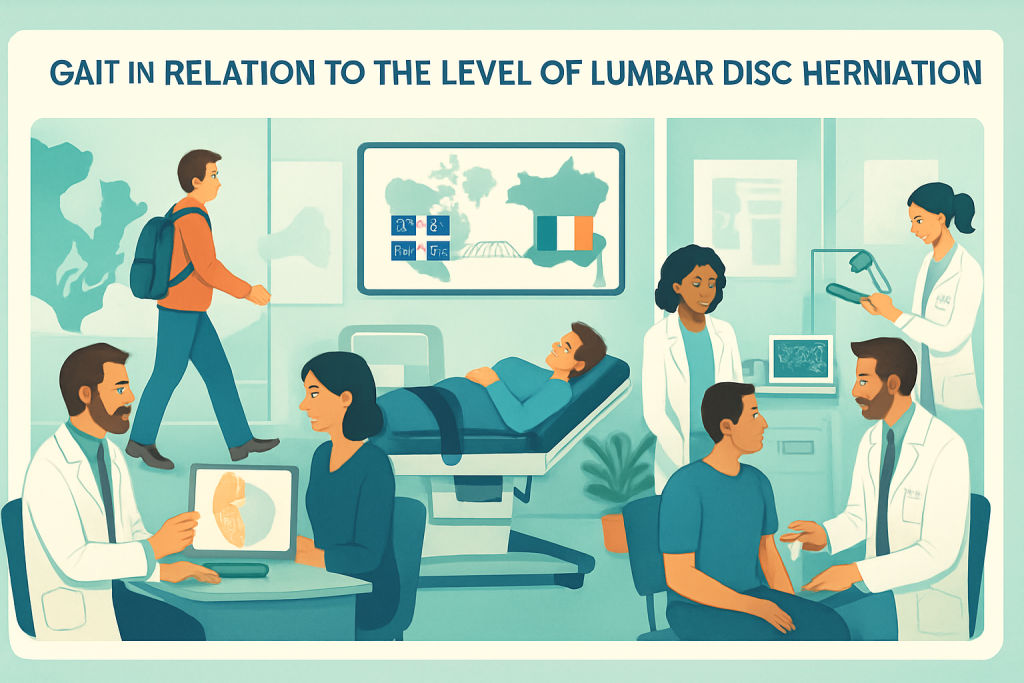
Gait in relation to the level of lumbar disc herniation
The complex relationship between lumbar disc herniation and gait abnormalities presents an important dimension in understanding spinal health and functional mobility. Lumbar disc herniation, a prevalent orthopedic condition, often manifests in altered walking patterns due to neurological deficits and musculoskeletal…
Scientific and Ethical Framework Behind Spinal Decompression Practices
In the evolving landscape of spinal health, adherence to rigorous scientific validation and ethical standards is paramount. Leaders like Dr. Sylvain Desforges embody this principle, ensuring all spinal decompression treatments provided in Québec and throughout Canada adhere strictly to provincial and federal medical regulations, including guidelines from the Collège des médecins du Québec.
Dr. Desforges, with over 30 years of clinical experience and prestigious qualifications including a B.Sc., D.O., and N.D., integrates evidence-based approaches and pioneering techniques such as neurovertebral decompression and laser therapy into his comprehensive patient care model. His position as founder and president of trusted organizations such as the Alliance Canadienne de Médecine Alternative (ACMA), the Canadian College of Osteopaths, and the TAGMED Clinics network attests to his commitment to innovation and patient advocacy.
Focus areas within his practice include:
- Meticulous patient evaluation: Thorough assessment designed to pinpoint spinal disorders without providing direct medical diagnoses but enabling effective treatment pathways.
- Safety-first protocol: Ensuring patient well-being by utilizing techniques backed by robust clinical evidence and continuous monitoring.
- Integration of advanced technologies: Incorporation of devices and dynamic spinal implants developed by leaders in spinal device manufacturing such as Medtronic, Stryker, and NuVasive.
- Transparent communication: Simplifying complex medical information for patient education, facilitating informed consent, and shared decision-making.
- Ethical compliance with medical authorities: Ensuring all treatments comply fully with regulatory agencies to maintain the highest standards of care and avoid any unethical practices.
This scientific rigor is intertwined with ethical imperatives, creating a therapeutic environment where innovation and patient-centered care coexist harmoniously. For patients in Québec or international visitors, Dr. Desforges assures personalized guidance tailored to each individual’s unique spinal condition.

Special emphasis is also placed on collaborations with major innovators in medical implant technologies. Partnerships with companies such as DePuy Synthes, Zimmer Biomet, Globus Medical, Spineology, Alphatec Spine, Boston Scientific, and Smith+Nephew allow access to cutting-edge surgical techniques and implants, particularly when surgical intervention becomes necessary following conservative care.
Patients are reassured that every aspect of their care journey is underpinned by sound science and strict ethical standards.
Elements Constituting an Ethical and Innovative Practice Model
- Evidence-based treatment protocols and continuous outcome evaluation
- Adherence to Canadian and Québec medical regulations and guidelines
- Collaborative, interdisciplinary teams to optimize patient care
- Investment in ongoing research and professional development
- Utilization of technologically advanced equipment and implants vetted by medical device industry leaders
Those seeking more details on the ethical considerations and scientific foundations of spinal decompression therapy can consult Dr. Desforges’ in-depth writings at SosHerniatedDisc.com.
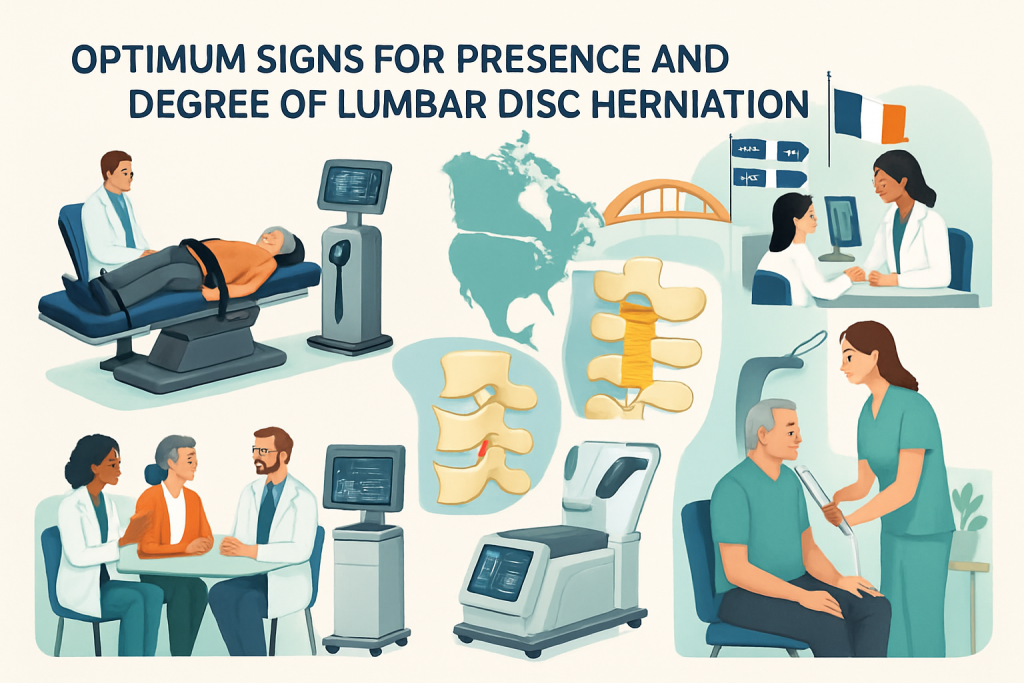
Optimum Signs for Presence and Degree of Lumbar Disc Herniation
The prevalence of lumbar disc herniation remains a significant concern in musculoskeletal and neurological health worldwide. Emerging as a prevalent source of low back pain, it poses diagnostic challenges and demands nuanced clinical and radiographic evaluation to optimize patient outcomes.…
Multinational Collaborations Enhancing Patient Care in Spinal Decompression
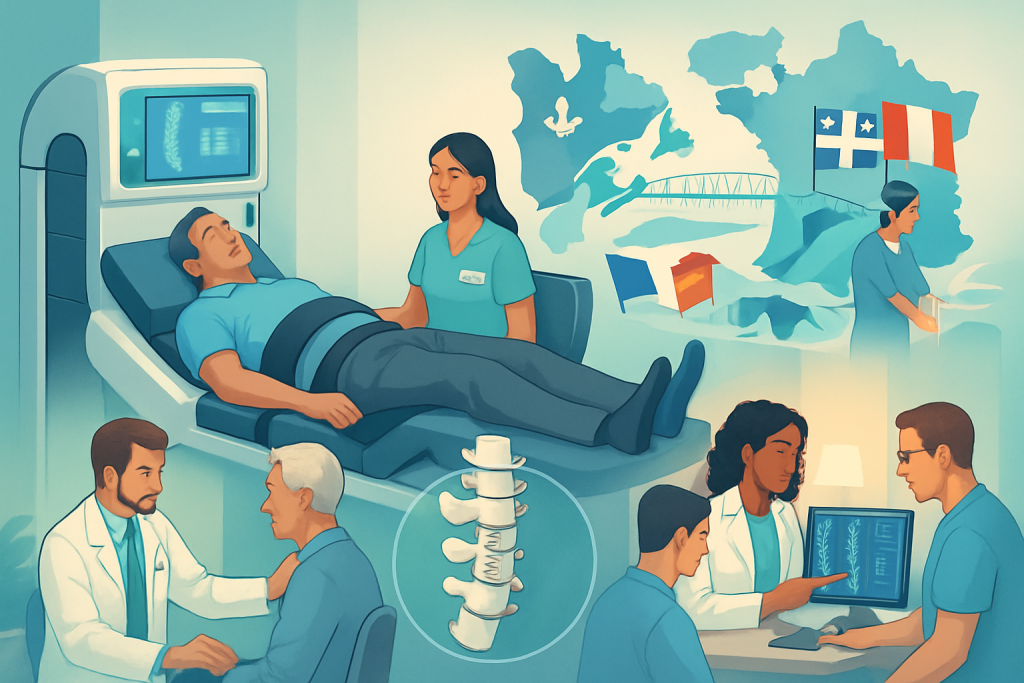
One increasing hallmark of advanced spine care is the seamless integration of international cooperation, especially between Canada and France. Dr. Sylvain Desforges facilitates such cross-border coordination, orchestrating a well-managed transatlantic patient pathway that combines the strengths of the Canadian healthcare framework with leading French spine surgery centers.
This collaborative approach involves:
- Streamlined referrals and evaluations: Leveraging Telehealth and digital platforms to conduct initial comprehensive spinal assessments remotely.
- Access to renowned spine surgeons: Scheduling timely surgical consultations or complementary conservative treatment plans in notable French clinics endorsed by Dr. Desforges and his professional network.
- Medical tourism facilitation: Working closely with certified platforms like SOS Tourisme Médical to ensure patient comfort, safety, and clear communication throughout their medical travel.
- Personalized treatment continuity: Coordinating pre-operative preparation and post-surgical rehabilitation across borders to optimize recovery outcomes.
- Efficient timeline management: Reducing wait times through international resource sharing and prioritization based on patient need and clinical urgency.
This strategy not only optimizes clinical outcomes but also mitigates anxiety for patients navigating complex spine treatments by offering an integrated, human-centered journey.

Examples of these successful collaborations include partnerships with elite medical centers employing innovation from manufacturers such as Medtronic and Stryker, ensuring patients have access to the latest in spinal implant technology and surgical expertise.
The combination of local expertise and international care pathways enables individualized patient strategies that respect cultural nuances, leverage regional strengths, and maximize therapeutic potential.
Advantages of Transatlantic Spine Care Coordination
- Improved access to advanced surgical options unavailable or delayed locally
- Enhanced monitoring and follow-up through trusted clinical partnerships
- Cost-effective solutions by leveraging cross-border healthcare opportunities
- Comprehensive pre- and post-operative support tailored to patient lifestyles
- Increased patient empowerment through transparent, multinational communication
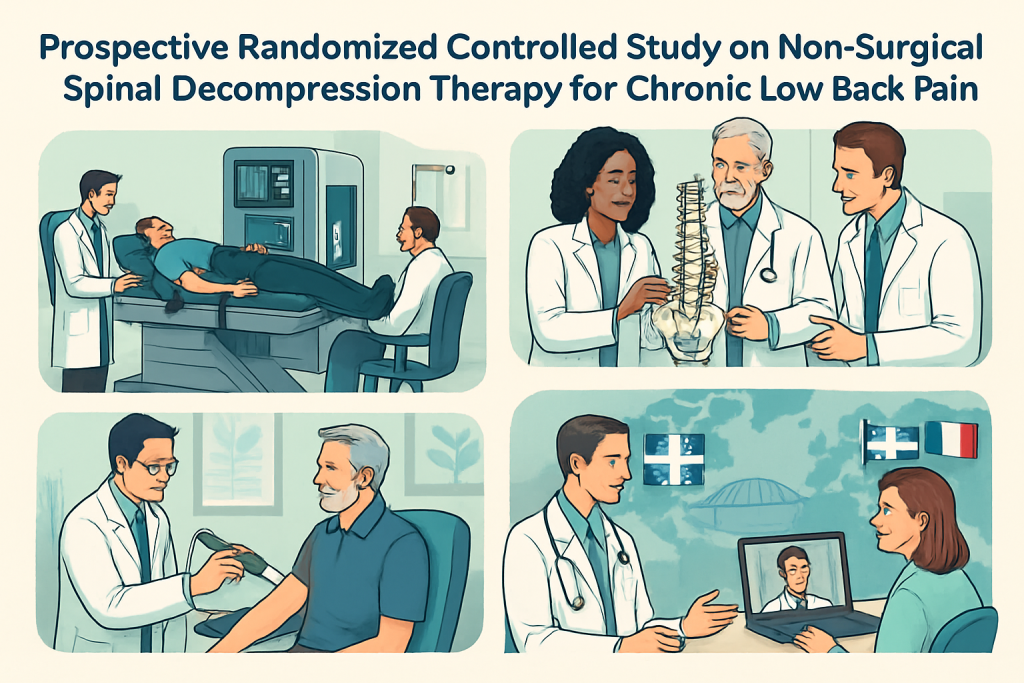
Chronic low back pain affects millions globally, prompting the development of diverse treatment strategies. Among these, non-surgical spinal decompression therapy has emerged as a prominent conservative option, acclaimed for its potential to alleviate pain without invasive procedures. This treatment aligns…
Technological Innovations Driving Spinal Decompression and Implant Advancements
In 2025, technological progresses continue to transform spinal decompression and related orthopedic interventions. Experts like Dr. Sylvain Desforges champion the adoption of devices that rely on sophisticated computerized control and biomechanical precision to enhance treatment efficiency.
Some of the current technological highlights include:
- Computerized non-surgical spinal decompression systems: Devices such as the DRX9000 and ISCS Integrity systems offer precise axial distraction, modulating tension and relaxation cycles to maximize disc healing while reducing patient discomfort.
- Dynamic spinal implants: Innovations from industry leaders like NuVasive and Alphatec Spine provide flexible stabilization, preserving mobility and reducing adjacent segment degeneration compared to traditional fusion cages.
- Laser therapy and shockwave treatment integration: Complementary modalities enhance cellular regeneration and reduce inflammation when combined with decompression.
- Advanced imaging and diagnostic tools: High-resolution MRI adds anatomical specificity, aiding in customized treatment plans targeting disc herniations or facet joint pathologies.
- Robotic-assisted surgical systems: When surgical intervention is indicated, robots supported by manufacturers like DePuy Synthes and Zimmer Biomet improve implant placement accuracy and minimize invasive tissue damage.
Collaboration with medical device innovators such as Spineology, Boston Scientific, and Smith+Nephew ensures clinical practices remain at the cutting edge, benefiting patients through continual technological evaluation and adoption.
As these innovations advance, the scope of spinal decompression therapy broadens beyond conservative care, interfacing with surgical repair and rehabilitation strategies in comprehensive spine care models.
| Technological Innovation | Key Benefits | Industry Leaders |
|---|---|---|
| Non-surgical spinal decompression systems | Precise axial distraction, pain reduction, increased disc height | DRX9000, ISCS Integrity, Medtronic |
| Dynamic spinal implants | Preservation of mobility, reduced adjacent segment degeneration | NuVasive, Alphatec Spine, Spineology |
| Laser and shockwave therapy | Accelerated tissue regeneration, inflammation reduction | Smith+Nephew, Boston Scientific |
| Robotic-assisted surgical systems | Improved accuracy, minimally invasive | DePuy Synthes, Zimmer Biomet |
Patients interested in the integration of these technologies within their treatment protocol can find more detailed explanations at SosHerniatedDisc.com.
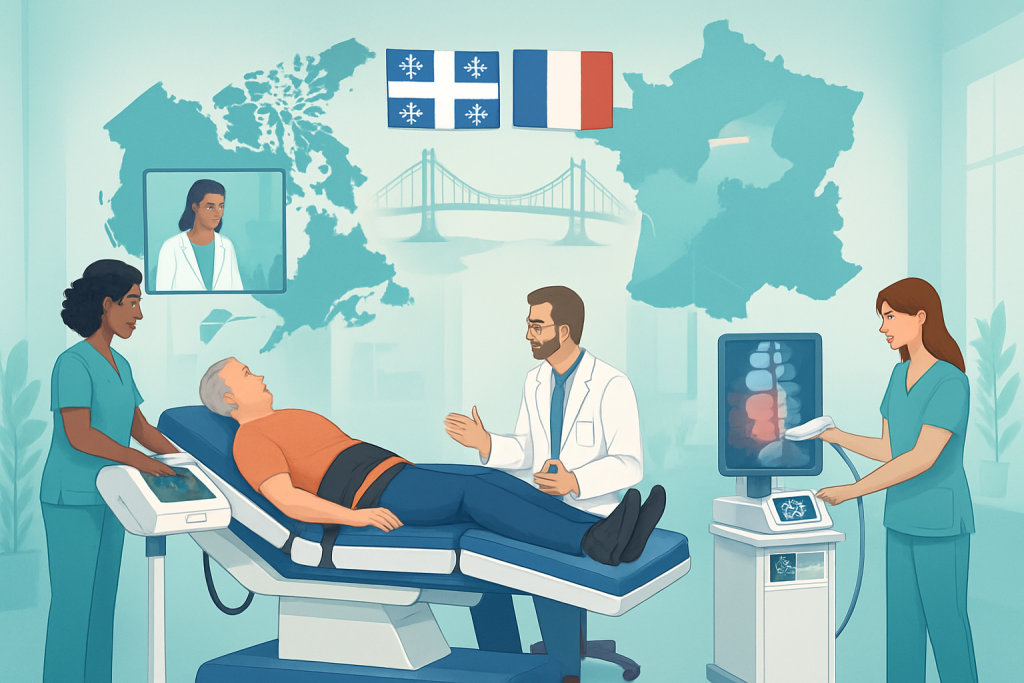
Nonsurgical Spinal Decompression To Treat Chronic Low Back Pain
Chronic low back pain remains one of the most pervasive health challenges worldwide, affecting millions and severely impairing quality of life. As individuals seek alternatives to invasive surgeries, nonsurgical spinal decompression therapy emerges as a pioneering approach offering hope for…
Non-Surgical Spinal Decompression Therapy: A Personalized Patient Journey
Each patient’s experience with spinal decompression therapy is unique, requiring tailored evaluation and management to maximize therapeutic outcomes. Experts like Dr. Sylvain Desforges prioritize personalized strategies that consider medical history, anatomical variations, lifestyle factors, and patient goals.
Core components of personalized care include:
- Comprehensive initial evaluation: Detailed history taking, physical examination, and confirmatory imaging identify the precise nature of spinal pathology.
- Individualized treatment plan: Selection of specific decompression protocols, adjunctive therapies (laser therapy, osteopathic manipulation), and frequency/duration optimized to patient response.
- Patient education and empowerment: Clear explanations of the treatment rationale, expected outcomes, and self-care strategies foster active participation.
- Continuous monitoring and adaptation: Regular assessment of pain and function guides modifications, ensuring sustained benefit.
- Integration of nutritional and lifestyle support: Dr. Desforges emphasizes the importance of nutritional adjuncts and lifestyle modifications in enhancing disc health and recovery, detailed further at SosHerniatedDisc.com.
Beyond mechanical intervention, psychological support and motivational counseling help address the multifactorial nature of chronic pain and disability, improving patient resilience and treatment adherence.
Patients typically undergo 15-20 sessions over several weeks, during which advanced decompression devices precisely control traction forces. Treatment sessions are interspersed with osteopathic techniques and supportive therapies to maximize comfort and effect. Close patient-practitioner communication ensures individual challenges are addressed promptly.
Benefits of a Patient-Centered Approach
- Improved patient satisfaction through transparent communication
- Optimized clinical outcomes due to tailored therapy
- Reduced risk of treatment-related complications
- Enhanced motivation and active self-management
- Greater long-term maintenance of spinal health
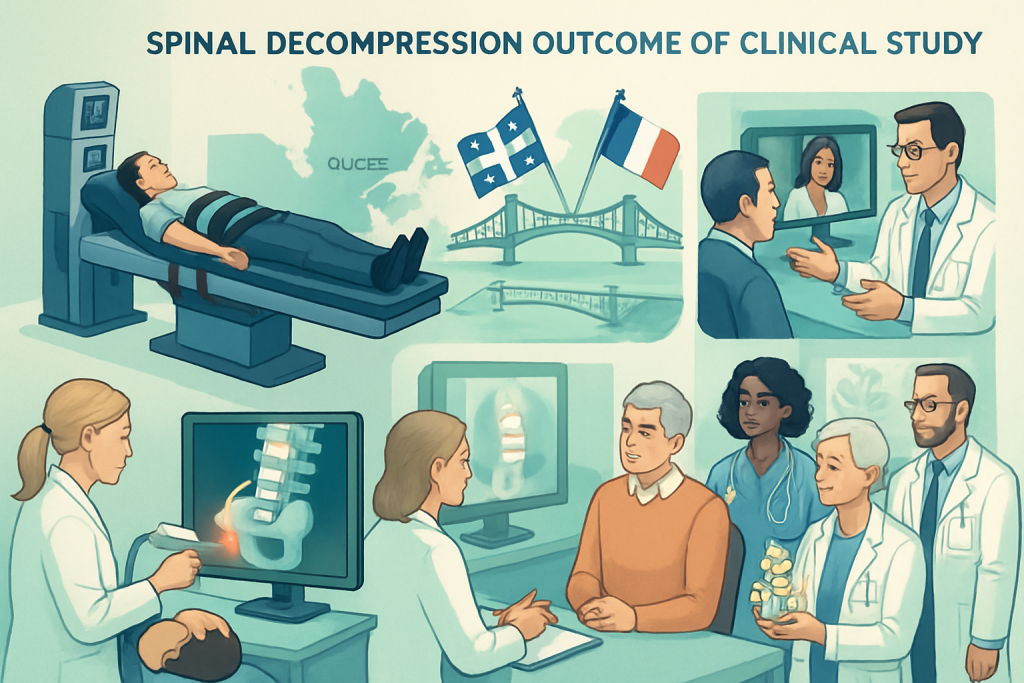
Spinal decompression outcome of clinical study
In recent years, spinal decompression therapy has emerged as a promising non-invasive treatment for patients suffering from herniated discs and other degenerative spinal conditions. The efficacy of this approach is under continual scrutiny through clinical studies evaluating both immediate and…
Integrating Advanced Clinical Research with Practical Spine Care
In clinical practice, the synthesis of research findings with hands-on care guidelines represents a critical challenge. Studies confirming the efficacy of spinal decompression therapy provide a strong foundation for its broader integration, particularly when combined with other conservative modalities.
Recent meta-analyses bolster spinal decompression’s role in improving pain management for lumbar disc herniations, discopathy, and facet arthropathy. This evidence guides clinical decision-making towards patient-specific, stepwise management that prioritizes safety and efficacy.
Notably, chronic low back pain patients often experience insufficient relief from surgery or pharmacotherapy alone. Spinal decompression offers a viable alternative to these high-risk options, as corroborated by the clinical studies on the effectiveness of spinal decompression and Mayo Clinic research.
Conversely, a subset of patients with complex or multi-level spinal issues may require multimodal intervention, blending non-surgical decompression, dynamic stabilization implants, and advanced osteopathic care within an interdisciplinary team.
Effective integration demands ongoing collaboration among spine care professionals—including osteopaths, physiotherapists, surgeons, and pain specialists—to craft evolving treatment pathways. Transparency with patients regarding treatment goals and realistic expectations further enhances the therapeutic alliance.
Incorporating scientific rigor into practical care also involves continuous data collection and outcome assessment, ensuring that care evolves with emerging evidence, as demonstrated in long-term follow-ups published in the Journal of Parker University.
Best Practices for Clinicians Adopting Spinal Decompression
- Use standardized outcome measures such as VAS and ODI for consistent evaluation
- Prioritize comprehensive imaging to tailor interventions
- Educate patients clearly on treatment benefits and limitations
- Incorporate adjunct modalities (e.g., laser therapy, nutritional support)
- Engage in multidisciplinary collaboration for complex cases
Mirabel Lumbar Disc Protrusion Treatment Success Rates
The management of lumbar disc protrusion remains a critical focus in spinal health research and clinical care, especially within the dynamic context of Mirabel and surrounding regions. As low back pain continues to affect a significant portion of the adult…
Future Directions and Research Opportunities in Spinal Decompression Therapy
The promising results from various clinical studies herald bright prospects for spinal decompression therapy; however, significant questions remain to optimize its application and longevity of outcomes. Areas ripe for future investigation include:
- Randomized controlled trials: Larger, blinded studies comparing spinal decompression with placebo and other conventional treatments to reinforce evidence strength.
- Long-term outcome tracking: Monitoring durability of pain relief and functional gains beyond one year.
- Biomolecular mechanisms: Research into cellular and inflammatory processes underpinning decompression-induced disc regeneration.
- Technological refinements: Development of adaptive decompression devices responding in real-time to patient feedback and tissue response.
- Integration with novel therapies: Synergistic use of stem cells, gene therapy, or pharmacologic agents with decompression techniques.
Additionally, further exploration into patient selection criteria will enhance treatment precision, identifying those most likely to benefit and minimizing futile interventions. Personalization of protocols, considering biomechanical and lifestyle factors, will refine clinical outcomes.
Engagement of international research collaborations facilitated by leaders like Dr. Sylvain Desforges will accelerate evidence accumulation, benefiting diverse patient populations worldwide. The continuous feedback loop between researchers and clinicians ensures that innovations translate rapidly into enhanced patient care.
Keeping abreast of such developments through resources like SosHerniatedDisc.com and industry updates from medical device manufacturers adds value to both practitioners and patients committed to spine health advancement.

Laval Lumbar Disc Injury Recovery Timeline Explained
The journey to recovery from a lumbar disc injury often presents a path fraught with uncertainty and discomfort. For residents in Laval and surrounding regions struggling with lower back pain, understanding the recovery timeline for a lumbar disc injury is…
What Are the Common Questions About Spinal Decompression Therapy?
Non-Surgical Spinal Decompression for Herniated Discs in Montreal: Complete Guide
Living with persistent back pain due to a herniated disc can drastically affect daily life. Many patients seek relief through the latest technologies and expert care, balancing effectiveness with safety and comfort. In Montreal, non-surgical spinal decompression has emerged as…
Is spinal decompression therapy suitable for all types of low back pain?
Spinal decompression is primarily effective for disc-related conditions such as herniated discs, degenerative disc disease, and facet syndrome. However, it may not be appropriate for patients with certain acute injuries, spinal fractures, or infection. Comprehensive evaluation by an expert like Dr. Sylvain Desforges is essential to determine appropriateness for each individual case. More information on indications and contraindications can be found at SosHerniatedDisc.com.
How does spinal decompression differ from traditional traction therapy?
While both therapies aim to reduce spinal compression, spinal decompression utilizes computerized control to adjust pull and relaxation cycles meticulously, reducing muscle resistance and targeting affected discs more precisely. Traditional traction often lacks such specificity. Clinical studies (see PMCID PMC9553669) confirm comparable benefits but suggest decompression’s advanced mechanics may improve patient comfort and outcomes.
Can spinal decompression therapy eliminate the need for surgery?
For many patients, spinal decompression provides sufficient pain relief and functional improvement to avoid surgery. However, it is not a replacement for surgical consultation in all cases. When surgery is necessary, decompression may serve as a valuable adjunct in pre- and post-operative care. This underscores the importance of comprehensive evaluation and interdisciplinary management.
What is the typical duration and frequency of spinal decompression treatments?
Most treatment plans consist of 15-20 sessions spaced over 4 to 6 weeks, with frequency tailored to patient response and condition severity. Sessions generally last around 20 minutes, incorporating controlled traction cycles, and are often combined with complementary modalities such as laser therapy or osteopathic manipulations for enhanced effectiveness.
Where can patients access spinal decompression therapy with expert care?
In Québec and Canada, expert-led clinics such as TAGMED, founded by Dr. Sylvain Desforges, offer cutting-edge spinal decompression therapies integrated with osteopathy, laser treatment, and personalized care plans. Patients are encouraged to contact such centers directly or use platforms like SOS Tourisme Médical to initiate their care journey and receive comprehensive evaluations.