Understanding the eligibility criteria for back surgery: indications, benefits, and limitations
August 14, 2025
how medical logistics and accommodation are transforming patient care in Quebec
August 14, 2025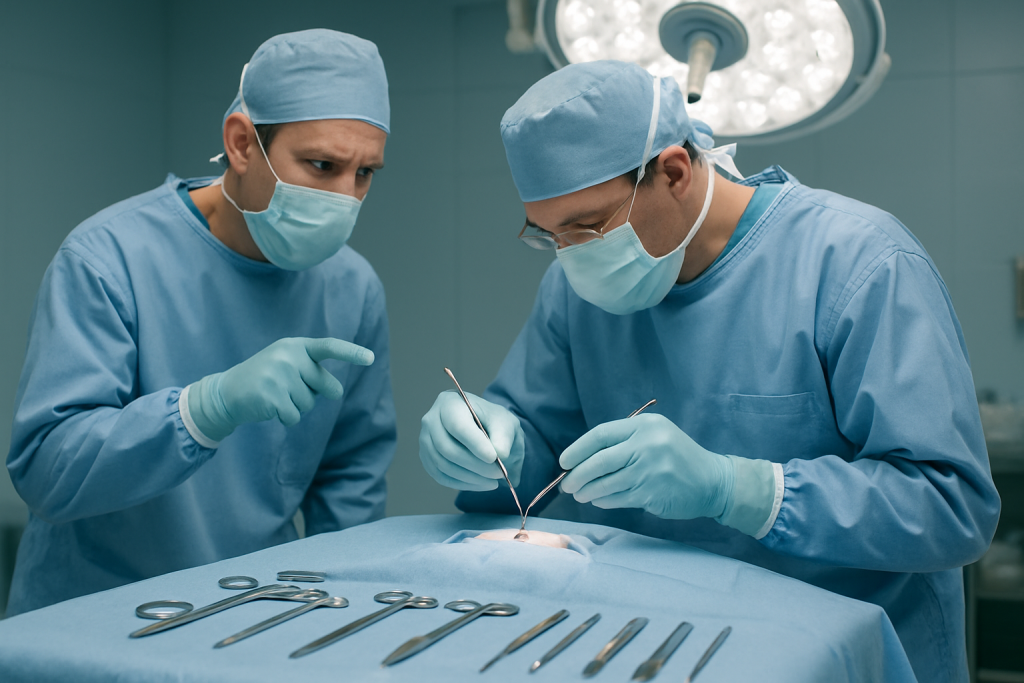
Advancements in spinal surgery continue to evolve rapidly, yet despite remarkable progress, the landscape remains riddled with critical challenges, particularly in the execution of simple decompression, spinal fusion, and motion preservation techniques. Patients affected by spinal pathologies often face complex decisions that hinge on the type of surgery recommended, timing of intervention, and postoperative care. This complexity demands not only surgical expertise but also robust multidisciplinary collaboration and rigorous patient evaluation. Unsurprisingly, several common pitfalls prevail and can jeopardize surgical success, prolong recovery, or lead to irreversible complications.
The global context, especially for patients in regions like Quebec, highlights barriers such as extended wait times and the high costs of private care, prompting some to seek transatlantic solutions that integrate innovative technologies and multidisciplinary pathways. Techniques such as dynamic stabilization implants from renowned manufacturers like Medtronic, DePuy Synthes, and Stryker challenge traditional approaches, yet they require precise patient selection and surgical acumen to avoid pitfalls.
Understanding the nuances between simple surgery, fusion, and motion preservation is essential. Missteps in selection criteria, inadequate preoperative planning, or poor integration of conservative treatments can transform what could be an outcome of improved quality of life into a cascade of complications. This article explores the intricacies of these techniques, examining common errors intrinsic to each, backed by clinical insights and current references, alongside a focus on emerging robotic assistance tools from companies like Zimmer Biomet and Globus Medical that strive to enhance surgical precision. Ultimately, recognizing and mitigating these pitfalls is imperative to advancing patient care and optimizing surgical outcomes in spinal surgery.
Key Clinical Mistakes to Avoid in Simple Spinal Surgery Procedures
Simple spinal surgeries, predominantly aimed at decompression and relief of nerve compression, represent foundational interventions in managing conditions like herniated discs and spinal stenosis. While these surgeries are less invasive and preserve segmental motion, their success is highly dependent on meticulous preoperative assessment and adherence to conservative treatment protocols.
One salient error is performing surgery prematurely, without exhaustive conservative treatment trials. Conservative options—including physical therapy, medication, and advanced modalities such as neurovertebral decompression—should precede surgery by at least 3 to 6 months to optimize outcomes and decrease unnecessary operative risks. TAGMED clinic’s neurovertebral decompression exemplifies specialized care mitigating the need for immediate surgery, aligning with recommendations highlighted on SOS Herniated Disc.
Misidentification of surgical targets is another pitfall. Cases of wrong-site surgery persist, despite stringent protocols, underscoring the need for surgical teams to adopt standardized checklists—as discussed in McEldrew Purtell’s report. Ensuring accurate localization via intraoperative imaging and robotic assistance from leaders like eCential Robotics can substantially minimize such errors.
Furthermore, the choice of implant and instrumentation during simple surgeries can introduce complications if ill-suited to the patient’s anatomy or pathology. Devices supplied by companies such as Stryker or Smith & Nephew should be selected based on comprehensive evaluations including biomechanical considerations to evade postoperative instability or recurrence of symptoms.
| Common Mistake | Potential Consequences | Preventive Measures |
|---|---|---|
| Premature surgery without conservative care | Persistent pain, increased complication rates | Mandatory 3-6 months conservative therapy evaluation |
| Incorrect surgical site identification | Wrong-site surgery leading to irreversible harm | Double verification protocols, intraoperative imaging |
| Poor implant and technique selection | Instability, symptom recurrence | Individualized implant choice guided by thorough assessment |
- Ensure thorough imaging review preoperatively.
- Integrate multidisciplinary input before surgery decision.
- Adopt robotic-assisted tools where available for precision.
- Educate patients on realistic expectations and treatment pathways.
The subtlety of these requirements makes knowledge of simple surgery pitfalls crucial, especially when treating patients who depend on restored mobility and pain relief. Resources like the comprehensive analysis found in SOS Herniated Disc’s guide offer valuable educational support for patients and surgeons alike.


Understanding Sciatic Pain: Key Symptoms and When to Seek Medical Advice
Sciatic pain is a prevalent condition impacting a wide demographic, manifesting primarily as intense pain radiating from the lower back down the leg. This pain stems from irritation or compression of the sciatic nerve, a major nerve extending through the…
Strategic Errors in Spinal Fusion: Identifying and Managing Risks
Spinal fusion surgery, designed to eliminate motion at painful or unstable vertebral segments, remains a mainstay for severe spinal pathologies such as degenerative disc disease or fractures. Its complexity arises from balancing biomechanical stability with preserving overall spinal functionality.
Improper indication selection is one of the most frequent pitfalls in fusion procedures. Fusion surgery does not suit every spinal pathology; patients with moderate instability or motion-preserving potential may be better candidates for dynamic stabilization or conservative care. Roney et al. emphasize the importance of patient-specific indicators prior to fusion in their extensive review available via NCBI Bookshelf.
Overfusion represents another critical error. Although fusion stabilizes segments, excessive immobilization can provoke compensatory hypermobility and accelerated degeneration of adjacent levels—a biomechanical ripple effect that manifests as adjacent segment disease (ASD). Techniques that limit fusion levels and incorporate motion-sparing technology can alleviate these risks. Manufacturers such as NuVasive and Orthofix advance implant designs tailored to this need, ensuring sufficient stabilization without sacrificing global spine biomechanics.
Surgical technique and implant placement are also frequent failure points. Misplaced pedicle screws or insufficient interbody support jeopardize fusion integrity and patient safety. Utilization of intraoperative navigation systems, including those by Zimmer Biomet and Medtronic, decrease such technical errors by refining accuracy—all while shortening operative times.
| Error Type | Impact | Mitigation Strategy |
|---|---|---|
| Incorrect patient selection for fusion | Unnecessary immobilization, persistent symptoms | Comprehensive clinical and radiological evaluation |
| Overfusion and extensive level fusion | Adjacent segment degeneration, chronic pain | Limit fusion extent, consider motion preservation alternatives |
| Poor implant placement | Hardware failure, nonunion | Use robotic navigation and imaging guidance |
- Prioritize preoperative functional assessments and imaging.
- Consult multidisciplinary teams specializing in spine care.
- Utilize advanced implant technology when appropriate.
- Engage patients thoroughly on risks and realistic recovery.
The evolving landscape of spinal fusion continues to be shaped by these pitfalls and their mitigations. Evidence-backed guidelines found in Premia Spine’s recommendations shed light on strategies to avoid unnecessary fusions, advocating for a patient-centric approach.

The Stepwise Role of Functional Recovery in Achieving Successful Outcomes
The journey to full recovery following spinal surgery is often complex and multifaceted, demanding a meticulously structured approach to ensure optimal functional outcomes. In recent years, the concept of functional recovery through a stepwise approach has garnered significant attention in…
Motion Preservation Surgery: Avoiding Errors in Dynamic Techniques
Motion preservation technologies aim to address the limitations of traditional fusion by stabilizing affected segments while maintaining spinal mobility. This approach reduces adjacent segment stress and preserves function, yet it carries distinct pitfalls necessitating precise evaluation and technical expertise.
Key challenges include appropriate patient selection, as implants like the TOPS system or Intraspine devices are only suitable for select cases with moderate instability. Inaccurate selection leads to implant failure or persistence of symptoms. As noted on SOS Herniated Disc, these devices must be used with strict adherence to eligibility criteria to maximize benefits.
Improper surgical technique, including malposition or inappropriate sizing of dynamic implants, can cause mechanical failures or nerve impingement. Combining these innovations with robotic assistance and intraoperative imaging from brands such as SpineWave ensures placement precision and maximizes safety.
| Common Pitfalls | Consequences | Prevention |
|---|---|---|
| Poor patient selection | Implant failure, persistent pain | Strict eligibility evaluation protocols |
| Technical errors during implantation | Postoperative complications, reoperation | Robotic assistance and detailed pre-op planning |
| Inadequate follow-up care | Delayed detection of failure | Structured post-op monitoring and rehabilitation |
- Apply comprehensive preoperative screening to confirm indications.
- Employ state-of-the-art robotic technologies to improve accuracy.
- Coordinate multidisciplinary postoperative care emphasizing rehabilitation.
- Incorporate patient education to address expectations and adherence.
Understanding dynamic stabilization pitfalls is crucial as spinal care evolves beyond fusion-centric paradigms. Studies such as those subscribed by Globus Medical and Aesculap demonstrate the potential when these devices are deployed within structured clinical pathways.


Transatlantic Patient Journey: Insights into Indications, Benefits, and Challenges
The emergence of the Transatlantic Patient Journey as a strategic model within healthcare continues to capture attention for its innovative potential, especially in specialized fields such as spinal surgery. This cross-border care pathway integrates rigorous medical evaluation from Quebec with…
Multidisciplinary Patient Pathways: Enhancing Safety Across Surgical Techniques
The complexity of spinal surgery necessitates a concerted approach among surgeons, physiotherapists, pain specialists, and post-op rehabilitation teams to optimize outcomes and safety. Transatlantic collaborations, such as between Quebec’s TAGMED and France’s Franchir and Neurothérapie Montréal, illustrate effective integration of care across continents, each institution contributing with specialized expertise.
Structured protocols mandate several critical points of coordination:
- Preoperative screening and conservative care in Quebec to reduce indications for surgery and optimally prepare patients.
- Careful surgical planning and implant choice through French expert teams ensuring personalized interventions, including access to advanced technologies by firms like NuVasive and Smith & Nephew.
- Postoperative monitoring and rehabilitation emphasizing pain management and functional restoration, critical in preventing common complications like surgical site infections or hardware failure.
This seamless integration minimizes common errors such as premature surgery, wrong-site operations, and poor implant management. It also enriches patient education and psychological support, key to recovery and satisfaction.
| Phase | Focus | Key Actions |
|---|---|---|
| Preoperative | Patient evaluation and preparation | Conservative care, imaging, multidisciplinary consultation |
| Surgical | Procedure execution and implant selection | Use of robotic assistance, expert surgical team |
| Postoperative | Rehabilitation and monitoring | Regular follow-ups, physical therapy, pain control |
- Advance communication platforms for real-time data sharing.
- Patient involvement in decision-making processes.
- Implementation of international clinical guidelines.
- Regular outcome audits and quality improvement initiatives.
Achieving such coordination requires institutional commitment and the use of modern technologies. Highlighted by the work of Neurothérapie Montréal and Franchir, these models stand as exemplars for spinal surgery programs worldwide.
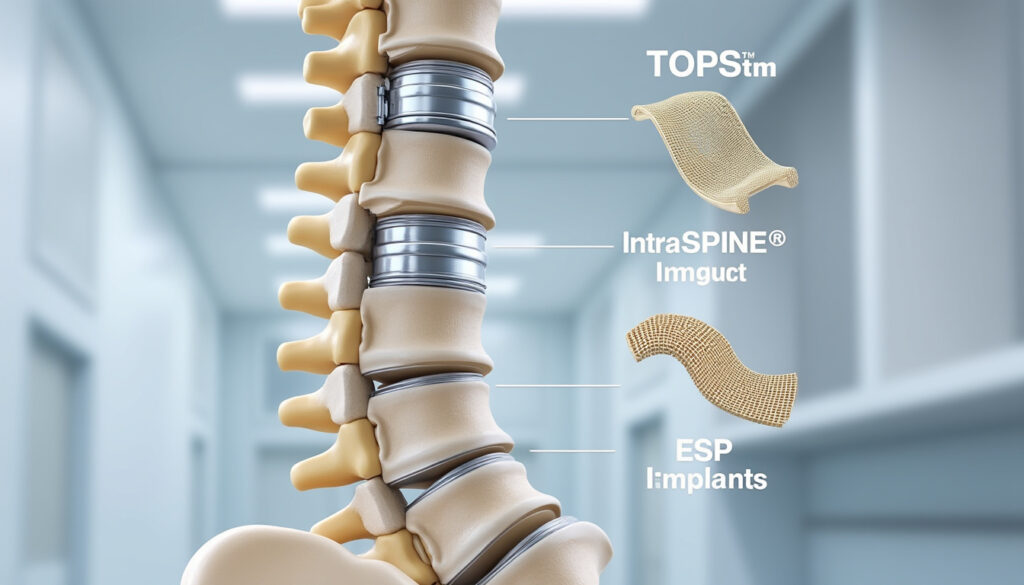
The evolving field of spinal surgery is witnessing a transformative shift, fueled by cutting-edge implant technologies such as TOPS, Intraspine, and ESP. These innovative implants redefine treatment possibilities by emphasizing preservation of natural spinal mechanics, while ensuring durable stabilization and…
The Role of Technological Innovation in Avoiding Surgical Errors
Recent advances in spinal surgery technology have profoundly affected outcome reliability and safety profiles. Robotic assistance platforms, enhanced imaging systems, and sophisticated implants reduce human error and improve precision significantly. For example, eCential Robotics’ FDA-cleared navigation systems help surgeons avoid wrong-level operations and optimize hardware placement.
Innovative implant designs from market leaders like Medtronic and Zimmer Biomet incorporate dynamic features that adjust biomechanical stresses, contributing to fewer long-term complications such as adjacent segment disease. The integration of intraoperative 3D imaging enhances decision-making, enabling surgeons to adapt techniques in real time rather than relying solely on preoperative pictures.
However, even the most advanced technology requires skilled operators and adherence to standardized protocols to fulfill its potential. Training programs, such as those organized by EUROSPINE and SFCR, foster expertise and allow for dissemination of best practices globally.
- Adopt robotic systems where feasible to ensure accuracy.
- Implement 3D imaging intraoperatively to verify implant positioning.
- Incorporate implants that balance stability with mobility preservation.
- Regularly update surgical teams on technological advancements via continuous education.
Ensuring effective utilization of these technologies directly addresses many pitfalls that historically challenged spinal surgeons and their patients.


Preparing for Surgery in France: Key Indications, Benefits, and Limitations
In an evolving global healthcare landscape, France emerges as a beacon of advanced surgical expertise, particularly attracting international patients seeking expedited and innovative medical interventions. Patients from regions experiencing long wait times, such as Quebec, increasingly view France as an…
Practical Strategies to Prevent Errors Before and During Surgery
Errors in spinal surgery can arise from a spectrum of causes, including administrative oversights, communication breakdowns, and technical failures. Preventing these demands a systemic approach integrating human factors, process optimization, and technology.
Preoperative preparation is pivotal. Rigorous verification processes to confirm patient identity and exact surgical site are cornerstone practices recommended by the Haute Autorité de Santé and described in detailed analyses such as High Surgery’s guidelines. These include double manual checks and use of electronic health record confirmations.
Intraoperatively, checklists remain the gold standard for reducing errors. Counting surgical instruments and materials, labeling pharmacological agents distinctly, and deploying radio-opaque markers for forgotten items help reduce the risk of retained foreign bodies. Additionally, briefing and debriefing with the full surgical team ensure alignment and real-time problem solving.
Postoperative vigilance is equally essential, requiring structured pain assessment and early detection of neurological complications, drawing from protocols outlined by EM-Consulte’s recent reports on spinal surgery outcomes in France.
| Surgical Stage | Common Error | Preventative Measure |
|---|---|---|
| Preoperative | Incorrect patient or site identification | Multiple verifications, patient involvement |
| Anesthesia induction | Medication errors | Color-coded labeling, multipoint checks |
| Intraoperative | Forgotten instruments or contamination | Instrument count, radiographic verification |
| Postoperative | Undetected complications | Structured monitoring and early intervention |
- Engage patients in confirming surgical details for added safety.
- Ensure adequate staff training in safety protocols.
- Leverage digital tools for real-time tracking of surgical components.
- Promote a culture encouraging team communication and error reporting.
Spinal Surgery Safety Quiz

Unveiling the Hidden Benefits of Quality and Certification in Devices
The landscape of device manufacturing and clinical application in 2026 has been fundamentally shaped by the rigorous interplay between quality management and certification processes. Within this complex framework, the hidden benefits of adhering to international standards and obtaining relevant certifications…
Common Misconceptions and FAQs on Spinal Surgery Pitfalls

Why Experts Advocate for Comprehensive Preoperative Evaluations
In the complex and demanding field of spinal surgery, the emphasis on comprehensive preoperative evaluations has become a fundamental pillar supporting successful surgical outcomes. These evaluations, far beyond mere routine checks, integrate detailed analyses of patient health, surgical risk assessments,…
What distinguishes simple surgery from fusion and motion techniques?
Simple surgery primarily focuses on decompression to relieve nerve pressure, generally preserving spinal mobility. Fusion stabilizes vertebrae permanently, eliminating motion at targeted segments, while motion-preserving techniques aim to maintain mobility by implanting devices that stabilize dynamically without fusion.
The Future of Surgery Lies in Stepwise Functional Recovery
The evolution of surgical care in 2026 reveals a compelling shift toward approaches that prioritize the holistic recovery of patients, moving beyond traditional metrics like length of hospital stay or mortality rates. This modern paradigm highlights the principle that the…
How important is conservative therapy before surgery?
Conservative therapy is fundamental, often providing sufficient relief without surgery. At least 3 to 6 months of treatment including physiotherapy and specialized decompression methods are recommended. Early surgical intervention without this step elevates risk of complications and poor outcomes.
Can errors during spinal surgery cause permanent damage?
Yes, including nerve injury, paralysis, or irreversible biomechanical disruptions. However, adherence to protocols and use of advanced technologies greatly reduce these risks, making surgeries safer today than ever before.
How does robotic assistance improve spinal surgery outcomes?
Robotic systems enhance precision in implant positioning and help prevent human errors such as wrong-level surgery. They facilitate minimally invasive approaches, reduce operative times, and contribute to better functional recovery.
What role does multidisciplinary care play in preventing complications?
Collaborative approaches ensure comprehensive patient evaluation, optimize surgical planning, and provide consistent postoperative monitoring and rehabilitation, reducing overall complication rates and improving patient satisfaction.