A comparative analysis of spinal care in France and Quebec: insights from an expert
August 13, 2025
how imaging exam organization transforms the experience for patients in Quebec
August 13, 2025
In the evolving landscape of spinal health, patients stand at a crossroads between conservative treatments and surgical options. Chronic back and neck pain afflicts millions globally, prompting critical decisions about care paths that balance efficacy, risk, and quality of life. Conservative methods, embracing therapies such as neurovertébral decompression and specialized physical rehabilitation, offer non-invasive routes with promising outcomes for many. Meanwhile, surgical innovations in France and worldwide—including microdiscectomy, dynamic stabilization implants, and minimally invasive endoscopy—continue to redefine possibilities for those with persistent or severe spinal conditions. This detailed exploration disentangles the indications, advantages, and limitations inherent to each approach, highlighting transatlantic collaborations that enhance patient care and choice. With expert insights and state-of-the-art technologies from leaders like Medtronic, Zimmer Biomet, and NuVasive driving advancements, understanding when and why to opt for conservative management versus surgery becomes crucial for personalized, evidence-based spinal treatment.
Comprehensive Overview of Conservative Treatments for Spinal Disorders
Conservative treatments constitute the cornerstone of spinal care, particularly for patients experiencing early or moderate symptoms. These methods aim to alleviate pain, restore function, and prevent progression without exposing patients to surgical risks. Among the array of conservative strategies, robotic-assisted neurovertébral decompression has emerged as a cutting-edge technique. It precisely targets nerve root compression through controlled traction, providing significant symptom relief without invasive procedures. This modality, available at specialized centers like the Clinique TAGMED in Montreal, exemplifies the growing preference for tailored, technologically sophisticated alternatives to surgery.
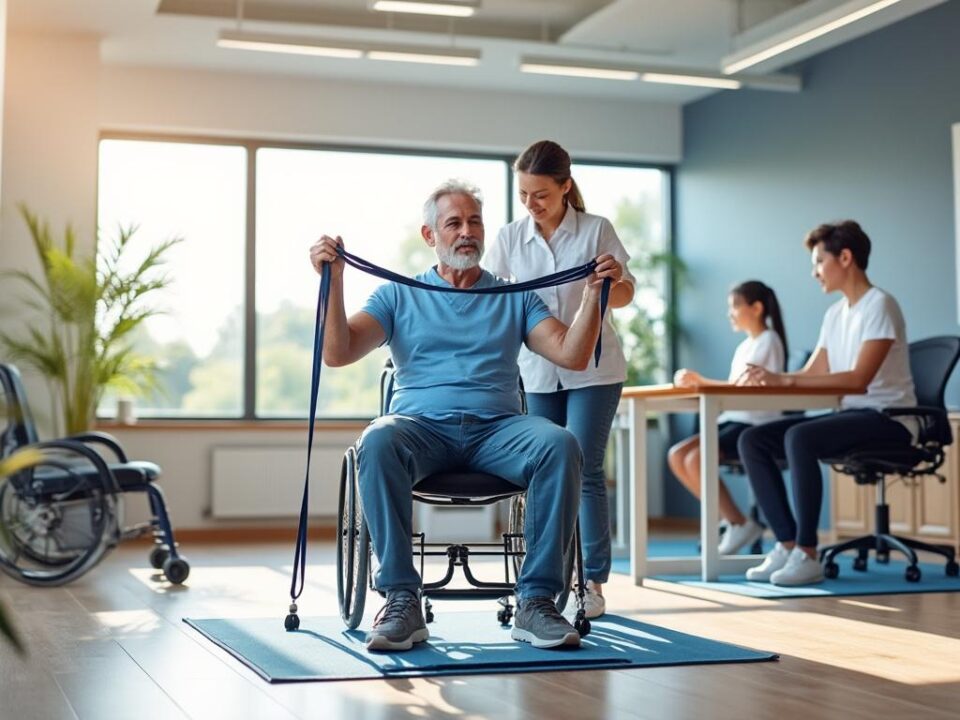
Complementing decompression therapies, physical therapy remains fundamental in this realm. Customized exercise programs, focusing on strengthening spinal musculature and improving posture, enhance vertebral stability and mobility. Physical therapists trained in adaptations sensitive to individual biomechanical needs optimize rehabilitation effectiveness. Additionally, epidural corticosteroid infiltrations serve as adjunctive interventions to reduce inflammation and acute pain episodes, delivering faster relief when integrated with other modalities.
Furthermore, patient education on ergonomic principles and lifestyle modifications plays a significant role in the conservative management of spinal disorders. This includes guidance on posture correction, activity pacing, and nutritional support aimed at mitigating mechanical stress on the spine. The synergy of these elements fosters durable outcomes and reduces the likelihood of recurrence.
- Robot-assisted neurovertébral decompression for targeted nerve relief.
- Specialized physical therapy focusing on spinal stabilization.
- Epidural steroid infiltrations to manage inflammation.
- Patient education on ergonomics and lifestyle adjustment.
| Conservative Treatment | Mechanism | Benefits | Limitations |
|---|---|---|---|
| Neurovertébral Decompression | Robot-controlled traction | Non-invasive, targeted nerve relief | Not effective for severe instability |
| Physical Therapy | Exercise and manual techniques | Improves strength and balance | Requires patient adherence |
| Epidural Steroid Injections | Localized steroid delivery | Rapid inflammation reduction | Temporary effect, repeat injections may be necessary |
| Ergonomic Education | Guidance on posture and activity | Prevents mechanical stress | Dependent on patient lifestyle changes |
Medical literature, including analyses such as those referenced at PMC11682532, emphasizes the vital role of these approaches as first-line interventions before considering invasive techniques. Adopting conservative care over a span of 3 to 6 months often suffices to manage symptoms effectively and reduce surgical necessity.

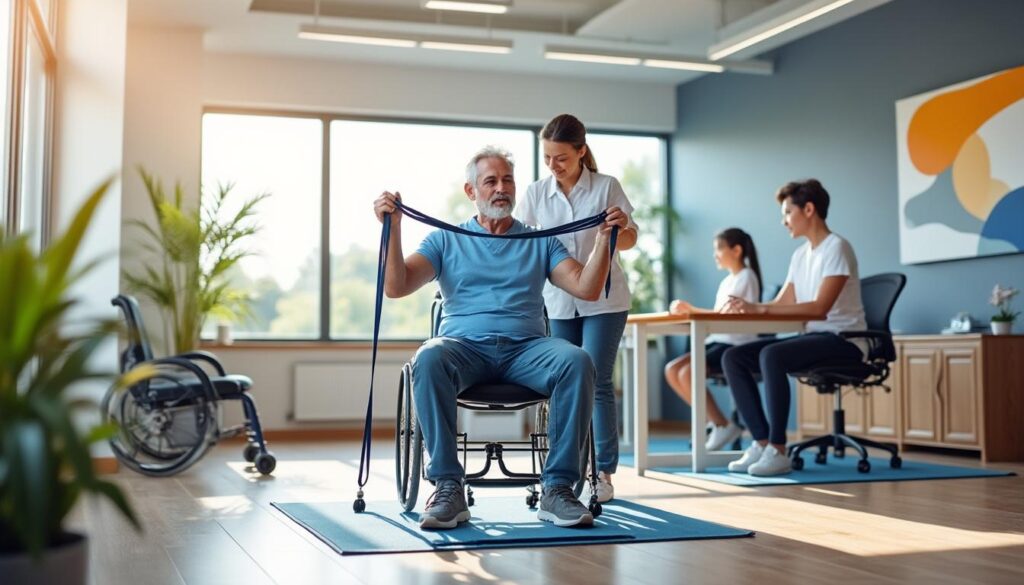
Can Rehabilitation and Return to Work Prevent the Need for Surgery?
In the constantly evolving landscape of spinal healthcare, patients and practitioners alike grapple with a pivotal question: can the rigorous pathways of rehabilitation and structured return to work reduce or even eliminate the need for surgical intervention? The answer, as…
Innovations and Indications for Spinal Surgery: When is Surgery the Preferred Option?
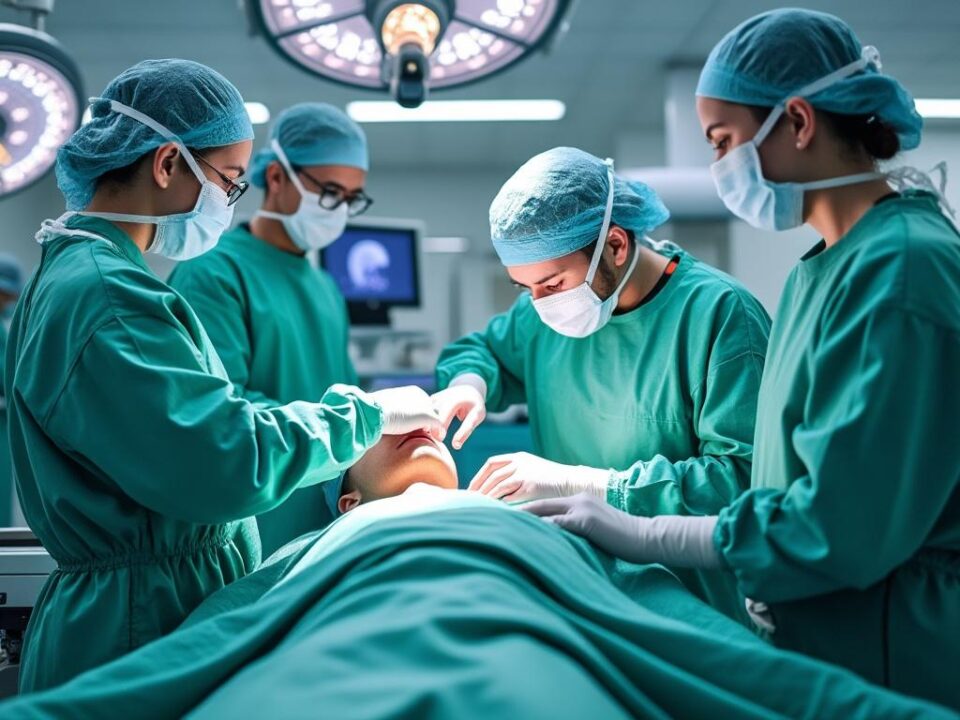
Surgical intervention in spinal care is reserved for specific indications when conservative treatments fail or when immediate anatomical correction is necessary. The innovations in spinal surgery, particularly those developed in France, showcase an impressive range of options tailored to patient needs. These range from minimally invasive microdiscectomies to advanced fusion techniques and dynamic stabilization devices.
Microdiscectomy is a highly refined procedure focused on the removal of herniated disc material that compresses nerve roots. By virtue of its minimally invasive nature, often performed under endoscopic guidance, patients experience a faster recovery and significant mitigation of radicular pain. However, microdiscectomy does not address underlying spinal instability.
Fusion surgery (arthrodesis) offers durable stabilization by fusing vertebrae using bone grafts and instrumentation. This technique is essential for cases involving spondylolisthesis or severe degenerative changes. While effective in correcting deformity and preventing recurrence, fusion may lead to a reduction in segmental mobility and increased stress on adjacent vertebrae, potentially inducing adjacent-segment disease over time.
Innovative motion preservation technologies, including implants like TOPS (Total Posterior Solution) and IntraSPINE, provide alternatives by stabilizing without rigid fusion. These devices maintain natural segmental movement, offering superior quality of life post-surgery and reducing biomechanical stress. Their application is often limited to select pathologies and involves higher costs, placing emphasis on patient selection.
Minimally invasive and endoscopic approaches have revolutionized spinal surgery, reducing soft tissue trauma, blood loss, and hospital stays while enhancing visualization of pathological sites. Such techniques align with current trends favoring patient-centric recovery pathways.
Cervical disc arthroplasty (disc replacement) restores disc height and preserves segmental range of motion, presenting an alternative to fusion in degenerative cervical disc disease. It offers biomechanical advantages by limiting subsequent degeneration at adjacent segments but is not recommended in cases with severe instability or advanced pathology.
- Microdiscectomy for targeted herniated disc removal.
- Spinal fusion to correct instability and deformity.
- Dynamic stabilization implants preserving mobility.
- Minimally invasive endoscopic surgery to reduce trauma.
- Cervical disc replacement as a motion-preserving solution.
| Surgical Technique | Primary Indications | Benefits | Limitations |
|---|---|---|---|
| Microdiscectomy | Lumbar herniated disc with nerve compression | Minimally invasive, rapid pain relief | Does not treat spinal instability |
| Spinal Fusion | Instability, spondylolisthesis | Stable correction, prevents deformity | Loss of motion, adjacent segment degeneration risk |
| Dynamic Stabilization (TOPS, IntraSPINE) | Flexible pathologies needing mobility conservation | Preserves movement, reduces adjacent stress | Specific indications, higher cost |
| Endoscopic Surgery | Herniated discs, decompression needs | Less trauma, faster recovery | Specialized equipment and expertise required |
| Cervical Disc Arthroplasty | Cervical degenerative disc disease | Preserves motion, reduces secondary pain | Unsuitable for severe instability |
Healthcare providers such as Medtronic, DePuy Synthes, and Stryker supply cutting-edge devices instrumental in advancing these surgical options. Robust patient assessment, including imaging and functional evaluation, along with interdisciplinary consultation, ensures optimized surgical candidacy.
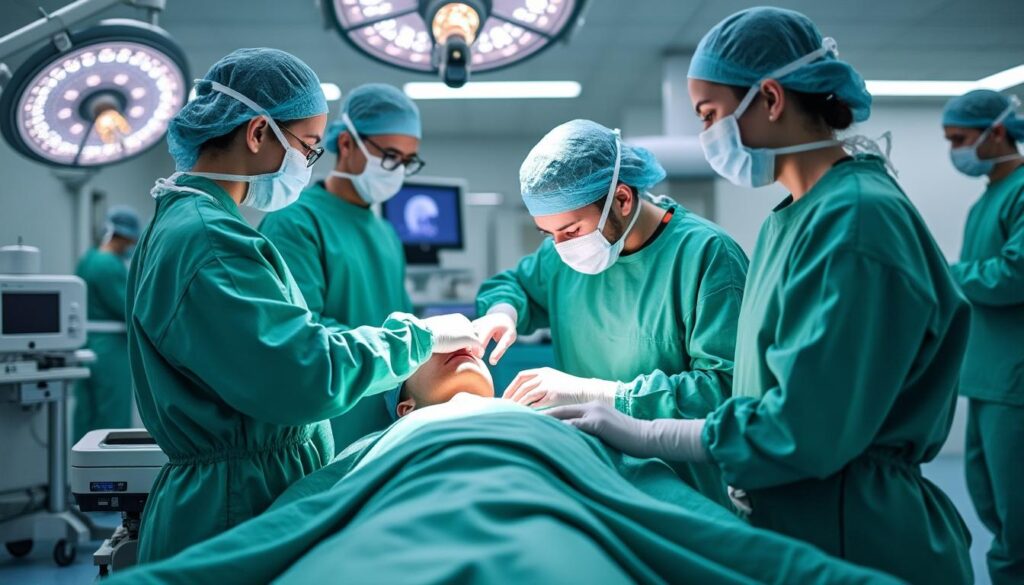
Exploring the Overlooked Benefits of Spine Surgery in France
Spinal disorders are a significant health concern for many patients worldwide, yet the solutions and benefits of spine surgery often remain underappreciated. France, with its advanced healthcare infrastructure and pioneering surgical techniques, has emerged as a noteworthy destination for patients…
Critical Role of the Patient Journey and Transatlantic Collaboration in Spine Surgery
For patients facing chronic spinal issues, the pathway to surgery is often complex and daunting, accentuated by long wait times and resource limitations in their home countries. A collaborative transatlantic model, connecting Canadian patients with French surgical expertise, exemplifies a growing paradigm designed to mitigate these challenges.
Initially, patients undergo thorough evaluation including medical history, imaging analysis, and conservative treatment trials at centers like Clinique TAGMED under specialists such as Dr. Sylvain Desforges. Conservative efforts, including neurovertébrale decompression, precede surgery discussions unless contraindicated by urgent symptoms.
Upon surgical indication, a comprehensive logistical framework is activated via partnerships like Franchir, responsible for seamless patient orientation, travel arrangements, and accommodation, minimizing administrative burdens and optimizing care delivery. This ensures prioritization in high-volume French centers equipped with advanced operating rooms using technologies from industry leaders including Boston Scientific and Smith & Nephew.
Postoperatively, continuity of care is maintained with rehabilitation services at institutions such as Neurothérapie Montréal, supporting functional recovery and long-term wellness, thus closing the care loop with consistent communication between multinational teams.
- Initial thorough evaluation and conservative treatment in Canada.
- Prioritized surgical scheduling in specialty centers in France.
- Coordination with logistics partners to streamline medical travel.
- Post-surgical rehabilitation and follow-up in home country facilities.
This integrated approach not only leverages the best clinical practices but also balances costs and patient comfort. For detailed insights into this patient journey and available options, resources such as sosherniateddisc.com offer expert guidance.
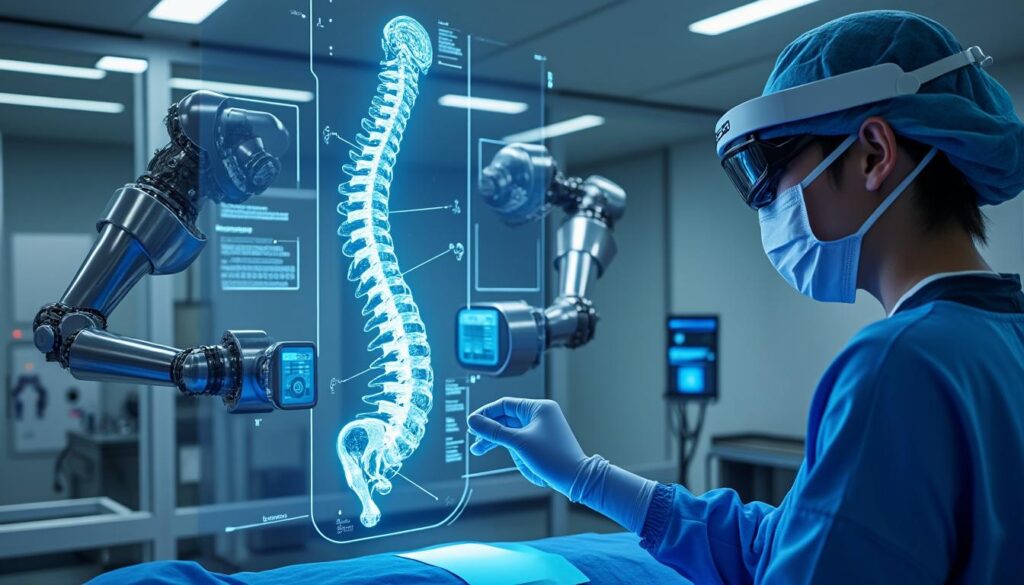
Cousin Spine Technology and Franchir: Transforming Surgical Decision-Making
In recent years, the integration of advanced medical technologies has dramatically shifted how spinal surgeries are planned, performed, and managed. Among the transformative developments, the alliance between Cousin Spine Technology and Franchir stands out as a pioneering force redefining surgical…
Biomechanical and Economic Benefits of Advanced Motion-Preserving Techniques in Spine Surgery
Maintaining spinal mobility has become a pivotal goal in modern surgery, fueling the development of dynamic stabilization devices that limit the drawbacks of fusion. Devices such as IntraSPINE and TOPS, commonly used in European centers, facilitate preservation of segmental movement while providing the necessary support to stabilize degenerative or unstable segments.
Biomechanically, motion preservation reduces abnormal stress transfer to adjacent vertebrae, a key factor in delaying or preventing adjacent segment disease—a known consequence of spinal fusion. Patients also report improved functional outcomes and greater satisfaction due to less stiffness and greater comfort for daily activities.
Economically, although these devices carry higher initial costs, they may decrease long-term expenditures by reducing revision surgeries, postoperative complications, and the need for extensive rehabilitation. The combination of medical innovation with prudent economic planning benefits healthcare systems and patients alike.
- Preserves natural spinal motion to improve biomechanics.
- Reduces risk of degeneration at adjacent vertebral levels.
- Enhances patient-reported outcomes and quality of life.
- Potential to lower overall long-term healthcare costs despite higher upfront investment.
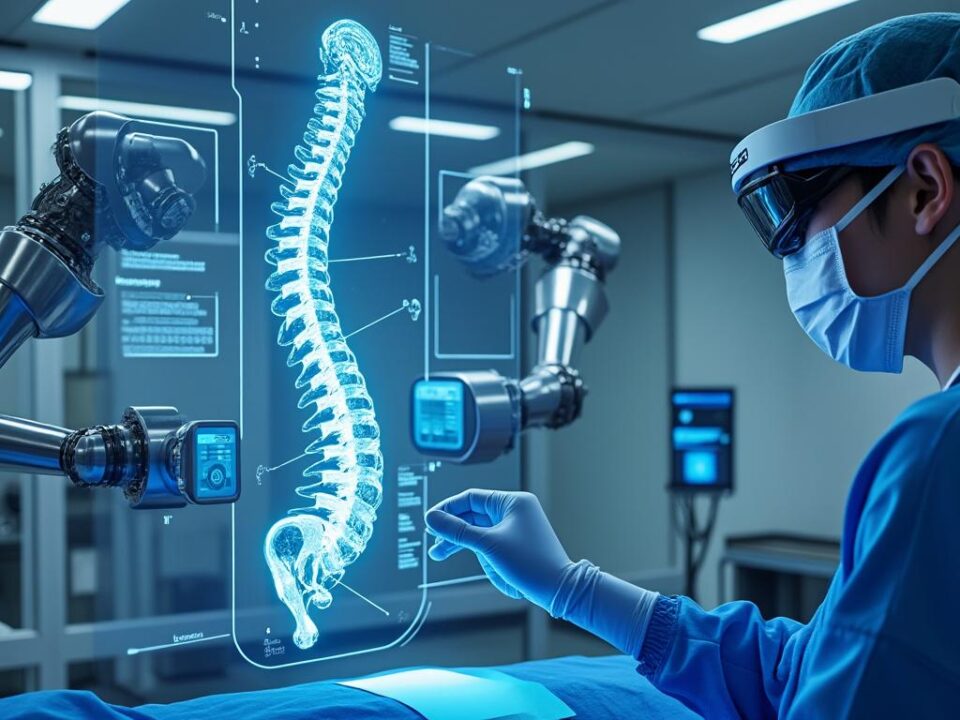
The integration of advanced implants from manufacturers like NuVasive alongside advanced imaging and robotic assistance platforms from companies such as eCential Robotics has set new standards in spinal surgery. Training programs supported by EuroSpine and accredited diplomas from French institutions ensure surgeons are skilled in these sophisticated techniques.
| Aspect | Benefits | Considerations |
|---|---|---|
| Biomechanics | Maintains segment mobility, reduces adjacent stress | Indicated only in specific pathologies |
| Patient Outcomes | Improved functional ability, less stiffness | Requires precise surgical technique |
| Economics | Potential reductions in reoperation rates | Higher initial device cost |
Further details on the clinical use and outcomes of these devices can be found at SOSTourismeMedical.com.

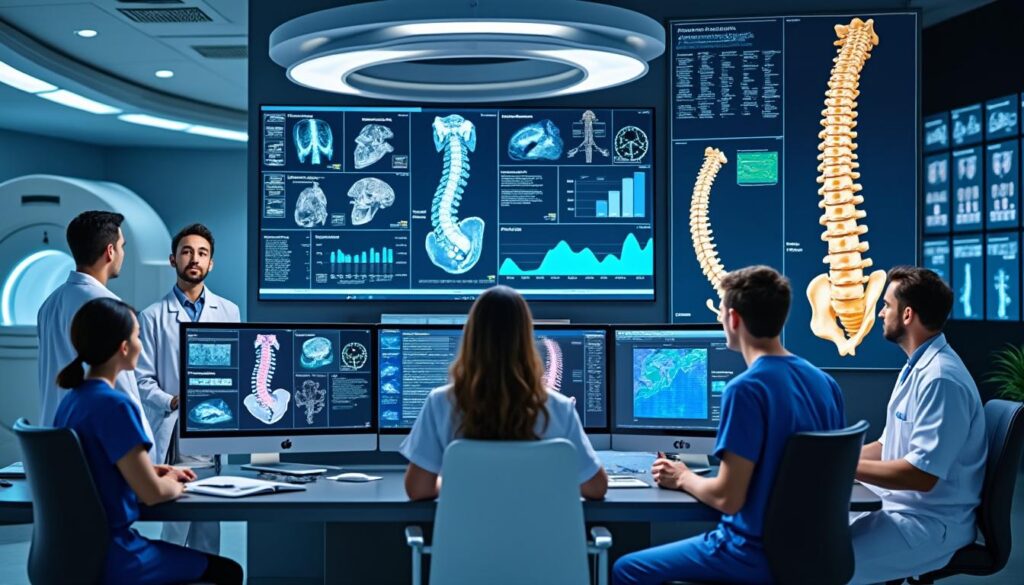
Insights from Research on Preventing Post-Laminectomy Syndrome
Post-Laminectomy Syndrome (PLS), a chronic pain condition arising after spinal surgery, remains a formidable challenge in spinal surgery and pain management. Despite advances in surgical techniques, a significant subset of patients continues to experience persistent neuropathic pain and functional limitations,…
Balancing Risks and Outcomes: Evaluating Surgical Versus Conservative Treatment in Chronic Spinal Conditions
The decision between surgery and conservative management must weigh the benefits of symptom relief against potential risks such as operative complications, recovery time, and long-term functional outcomes. Recent studies reveal that while surgery can provide more rapid pain alleviation, many patients benefit from symptom improvement through prolonged conservative care.
For instance, research published in sources like ScienceDirect highlights that in degenerative spinal conditions, conservative methods including physical therapy and targeted decompression frequently lead to spontaneous symptom resolution over several months. Consequently, surgery is generally reserved for persistent or worsening cases beyond a 3-6 month threshold.
Moreover, surgical risks such as infection, neurological injury, or recurrence of symptoms warrant judicious patient selection and thorough preoperative counseling. The French SFCR (Société Française de Chirurgie Rachidienne) provides guidelines emphasizing a holistic approach prioritizing conservative care, with surgery as a carefully weighed subsequent step, especially given increasing reports on complications detailed by EM-Consulte in 2024.
- Conservative treatment may prevent unnecessary surgeries in many cases.
- Surgery provides more immediate symptom relief for appropriate candidates.
- Potential surgical complications require cautious patient selection.
- Long-term outcomes are influenced by preoperative treatment success.
Understanding this balance empowers patients and clinicians to make informed decisions based on individual symptom severity, response to treatments, and overall health status. Providers affiliated with Mayo Clinic and Cleveland Clinic have been pioneers in establishing multidisciplinary teams optimizing this evaluation process.
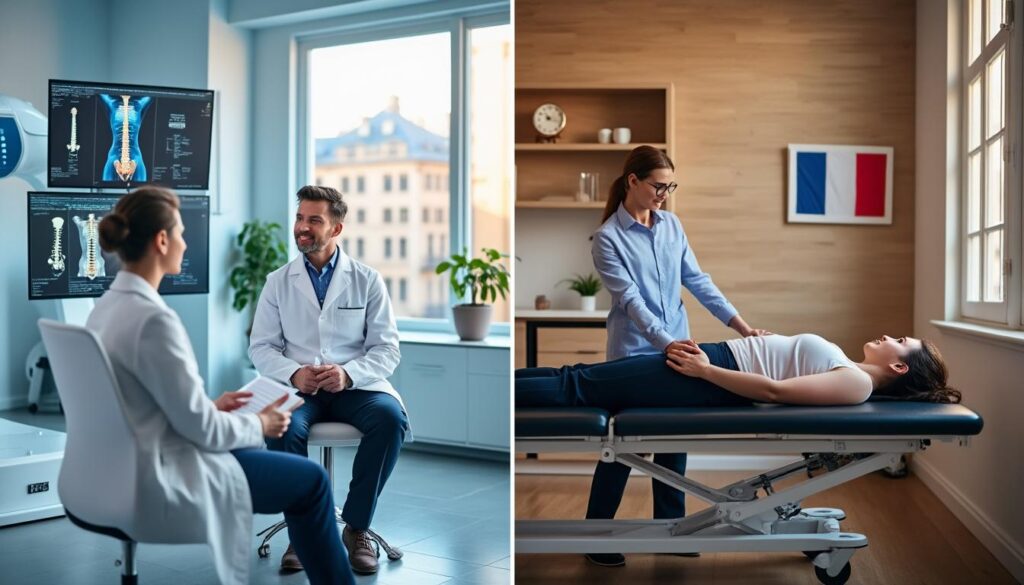
International Comparison: Spotlight on Spine Care Practices Between France and Quebec
The growing emphasis on spine health in Quebec has spotlighted the value of international collaboration in advancing patient care. With the challenges of prolonged wait times and high private care costs in Quebec, France emerges as an attractive alternative, boasting…
Key Criteria for Surgical Indications and Timing in Spine Patients
Accurate timing in surgical intervention remains pivotal. Only after exhaustive conservative management should surgery be contemplated, except in cases of urgent neurological impairment. The main criteria include persistent radicular pain beyond 4 months, progressive motor deficits, instability, and confirmed failure of conservative therapies.
The dangers of premature surgery, including insufficient recovery and higher complication rates, underscore the value of adhering to evidence-based protocols. The integration of interdisciplinary evaluation with advanced imaging and function testing informs not only candidacy but also the selection of the most appropriate surgical technique.
Benefits of waiting include natural symptom regression in many patients and the opportunity to trial novel conservative options, such as robotic neurovertébral decompression and comprehensive lifestyle adaptation coaching. These strategies can often postpone or eliminate the need for invasive intervention.
| Indication | Reason for Surgery | Importance of Conservative Period | Risks of Early Surgery |
|---|---|---|---|
| Persistent Radicular Pain | Ongoing nerve compression | Allows inflammation to subside and responses to treatment | Increased surgical risk, slower recovery |
| Progressive Motor Deficit | Nerve function deterioration | Close monitoring to prevent permanent damage | Inevitable irreversible neurological injury if delayed |
| Spinal Instability | Mechanical vertebral imbalance | Helps selection of precise surgical options | Difficult surgery, postoperative complications if inflammatory |
The expertise of surgeons trained through programs like the DIU Chirurgie du Rachis by SFCR ensures high standards in diagnosis and timing. For patients seeking detailed assessment, consulting the SFCR diploma program provides valuable insights into current best practices.

Medical Logistics and Accommodation: Central Pillars in the Patient Care Journey
In the evolving landscape of global healthcare, the interplay between medical logistics and patient accommodation has become a cornerstone for effective and patient-centric care delivery. This synergy is particularly evident in the management of international patient journeys, where cross-border coordination,…
Personalized Risks and Benefits: Stakeholder Perspectives in Choosing Between Surgery and Conservative Therapy
Individual patient factors such as age, activity level, comorbidities, and expectations weigh heavily on treatment decisions. A collaborative model involving orthopedic specialists, physical therapists, and pain management experts—prominent entities including Arthrex and Boston Scientific contribute innovations in implantable devices and pain modulation technologies—facilitates tailored care plans.
Patient preference, informed by comprehensive education about surgical risks, benefits, and recovery trajectories, remains integral to decision making. Evidence suggests that patients with high functional demands or severe neurological deficits derive significant benefit from surgery, while others may achieve acceptable outcomes with continued conservative care.
Healthcare systems emphasizing shared decision-making and multidisciplinary consultation have demonstrated improved satisfaction and alignment of treatment with patient values. Resources such as Dentonhand.com and osiftl.com provide practical guidance on weighing pros and cons.
- Patient-specific factors influence treatment efficacy and preferences.
- Multidisciplinary teams enhance comprehensive evaluation.
- Shared decision-making improves patient engagement and outcomes.
- Innovative technologies aid both conservative and surgical care.
Complex cases may further benefit from evaluation at centers of excellence like Mayo Clinic or Cleveland Clinic, ensuring access to advanced diagnostics and care algorithms supporting best outcomes.
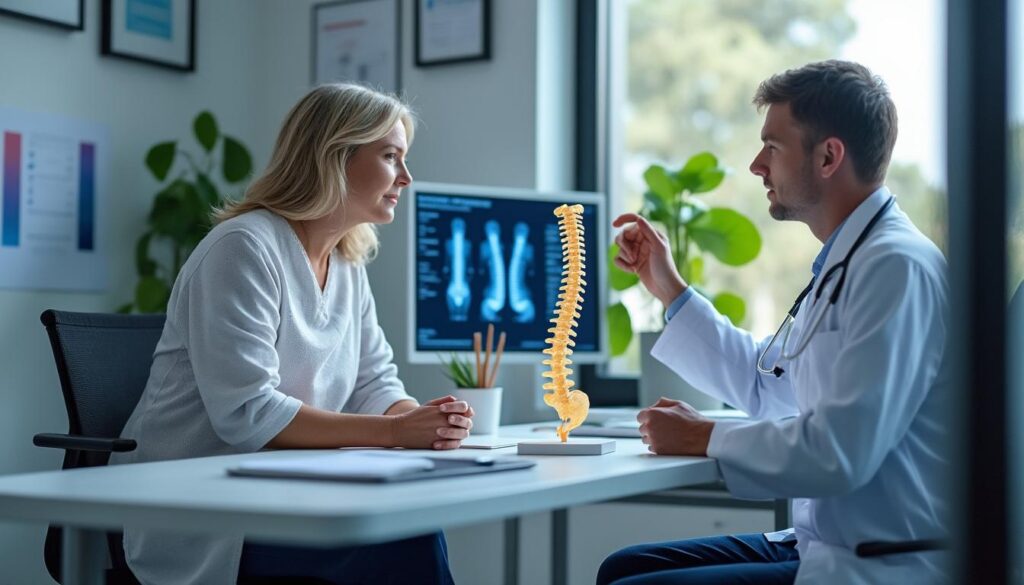
Comprehensive Guide to Eligibility Criteria for Back Surgery
The decision to undergo back surgery involves numerous complex considerations that extend beyond the presence of spinal discomfort. Through an international collaboration between healthcare experts in Quebec and France, patients facing severe spine conditions now have access to advanced surgical…
Rehabilitation and Long-Term Management: Closing the Loop on Spinal Care
Post-intervention rehabilitation is critical whether surgery is performed or conservative therapies continue. A successful recovery depends on restoring functional mobility, managing residual pain, and preventing relapse. Tailored programs include manual therapy, muscular conditioning, and neuromuscular re-education guided by experts.
In surgical cases, early mobilization combined with pain management strategies accelerates healing. Functional milestones are continuously assessed to adjust therapy intensity and duration. Conservative treatment patients benefit from ongoing engagement in physical fitness and ergonomic adaptations to sustain gains.
Attention to psychological well-being and education forms a holistic approach underpinning long-term spinal health. Community and outpatient services, including Telehealth offerings from leading centers, support sustained monitoring and prompt intervention for complications or new symptoms.
- Individualized rehabilitation programs for functional restoration.
- Early mobilization and pain control following surgery.
- Continued physical activity and ergonomic awareness in conservative care.
- Psychosocial support integrated into long-term management.
For detailed management techniques and recovery expectations, resources like DaytonOrthopedicSurgery.com offer valuable patient education materials.
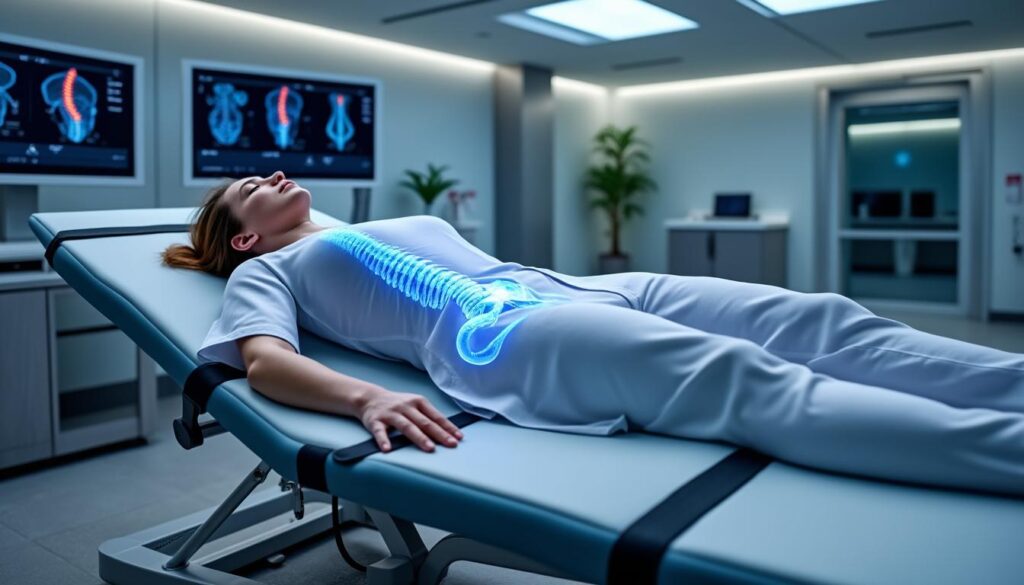
Conservative treatments versus surgery: Understanding the indications, benefits, and limitations
Unveiling the Hidden Benefits of Neurovertebral Decompression Therapy
Chronic back and neck pain remain pervasive health issues impacting millions, often leading to debilitating effects on daily life and overall well-being. Traditional management strategies frequently fall short due to lengthy wait times, high costs, or invasive procedures. Amid this…
When to Consider Surgery for Spinal Conditions: Clear Indications and Cautions
Deciding the appropriate juncture for surgical intervention rests on a delicate balance between symptom severity and the effectiveness of conservative methods. Surgery becomes necessary in cases of severe, persistent pain not responding to treatment, progressive neurological impairment, or mechanical instability jeopardizing spinal integrity.
These decisions require comprehensive clinical and radiological evaluations, often involving multidisciplinary teams. The growing advancements in surgical technology supported by leaders such as Smith & Nephew improve precision and patient safety, expanding the indications of surgery to more challenging cases.
Shared decision making, aligned with patient expectations and risk tolerance, optimizes timing and approach, ensuring surgery is neither premature nor delayed unduly. For more guidance, the European Spinal societies and similar organizations provide consensus statements and educational programs accessible through platforms like EuroSpine.
- Severe, unrelenting pain beyond 4-6 months despite conservative care.
- Progressively worsening motor or sensory deficits.
- Confirmed spinal instability or deformity requiring structural repair.
- Performance of surgery in specialized centers for improved outcomes.
Addressing Common Concerns and Questions on Conservative vs. Surgical Spine Treatments
What conservative therapies are recommended before considering spine surgery?
Patients should pursue a combination of neurovertébral decompression, guided physical therapy, steroid injections if indicated, and lifestyle adaptations. These approaches are endorsed by leading specialty centers for their efficacy in stabilizing symptoms without surgery.
Are there unique surgical techniques available abroad not found in local facilities?
Yes, particularly in France, advanced dynamic stabilization implants like TOPS and IntraSPINE, along with minimally invasive endoscopic procedures and cervical disc arthroplasty, offer cutting-edge options that may not be widely accessible elsewhere.
How is the surgical experience managed for international patients?
A comprehensive patient journey incorporates detailed preoperative assessment, cooperation with medical travel facilitators, state-of-the-art surgical centers, and coordinated postoperative rehabilitation at home, ensuring security and continuity of care.
What risks and complications are typical in spinal surgery?
Risks include infection, nerve damage, blood loss, and adjacent segment disease. Careful patient selection and surgical expertise minimize these risks, underscoring the need for rigorous conservative trial periods before surgery.
When should surgery be urgently considered in spinal disorders?
Surgery becomes urgent with acute neurological deterioration such as motor weakness or intractable pain unresponsive to any conservative management, as delaying intervention may result in permanent deficits.