How to effectively prepare for the role of neurovertebral decompression
August 15, 2025
Advanced Disc Prosthesis in Montreal: Preserve Lumbar Mobility
August 16, 2025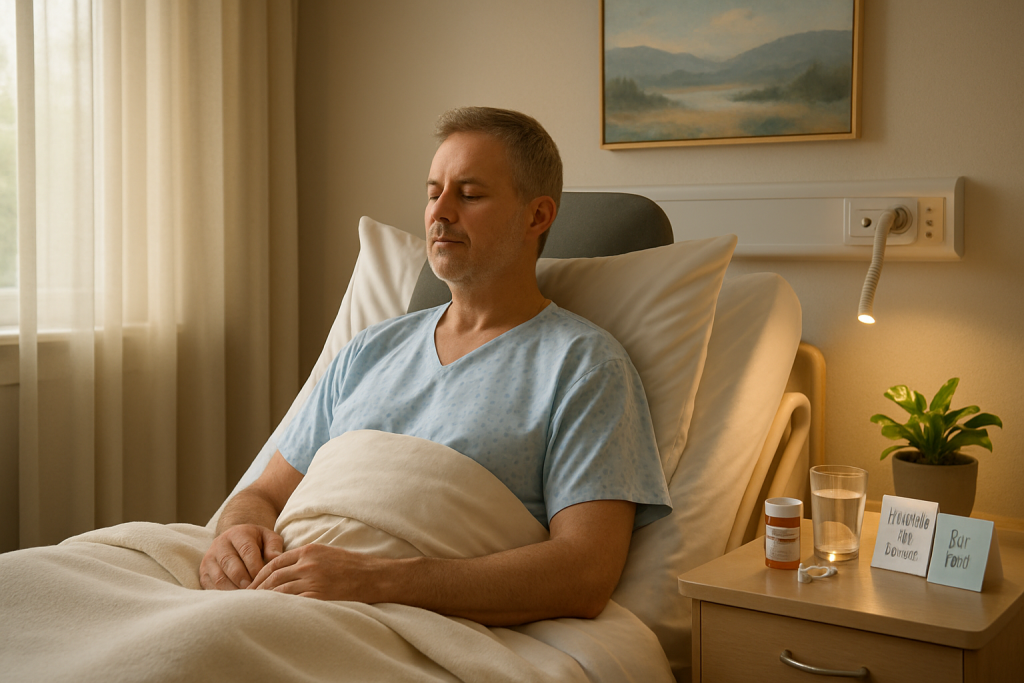
Back surgery represents a significant medical intervention demanding meticulous care throughout the post-operative phase to optimize healing and restore quality of life. The multifaceted recovery process encompasses not only physical healing but also psychological resilience and a well-structured rehabilitation plan. Given the complexity involved, patients often face challenges related to pain management, mobility restoration, and adaptation to lifestyle changes. Recent advances in neuromodulation techniques, alongside integrated care collaborations such as those between Neurothérapie Montréal and SOS Tourisme Médical, underscore the importance of personalized recovery pathways, particularly for patients undergoing surgery across international borders, such as between Quebec and France.
In 2025, the landscape of post-back surgery recovery is enriched by innovative equipment from leading medical technology companies like Medtronic, Stryker, and Zimmer Biomet, which provide state-of-the-art supports and implants that improve surgical outcomes and rehabilitative efficacy. Complementing these are essential ergonomic tools such as Aspen Medical Products’ back braces, TheraBand’s rehabilitation bands, and products from Breg that assist mobility and pain relief. Simultaneously, patients benefit from structured guidelines that encompass home preparation, pain control, and a realistic timeline for resuming activities from walking to professional work and sports.
This in-depth exploration highlights critical strategies for effective post-operative recovery, integrating clinical expertise, practical home adaptations, neuromodulation therapies like rTMS, and collaborative medical tourism frameworks. These elements collectively inform a comprehensive blueprint supporting patients through a smoother, safer, and more efficient convalescence following back surgery.
Preparing Your Home for Safe and Convenient Post-Operative Back Surgery Recovery
One of the foundational steps for a successful post-operative recovery following back surgery involves a thorough preparation of the home environment. Ensuring safety and ease of access to essential objects mitigates risks of falls and reduces physical strain, crucial during the fragile initial weeks following surgery. The importance of arranging the living area to minimize unnecessary movement and awkward postures cannot be overstressed.
Key features must include accessible placement of frequently used items, installation of assistive equipment such as canes or walkers from trusted providers like Ossur or Aspen Medical Products, and bathroom modifications using raised toilet seats or shower chairs to promote independence while protecting the healing spine.
Patients should consider the following key home adaptations:
- Installation of mobility aids: Utilize canes or walkers immediately upon returning from hospital, supporting secure balance and gradual increase of activity levels.
- Bathroom safety equipment: Rehauzseur de toilettes (toilet risers) and stable shower seats prevent risky bending or twisting movements harmful post-surgery.
- Ergonomic rest arrangements: Incorporate body pillows that align spinal curvature to minimize strain during rest phases.
- Optimized storage setups: Organize daily necessities at waist height to reduce bending or reaching, further lowering risk of injury.
- Thermal regulation: Apply ice packs or heating pads strictly according to medical advice to manage inflammation and discomfort effectively.
Adopting these measures complements professional advice documented extensively on platforms such as SpineHealth and NJ Spine & Orthopedic, which stress early and safe mobilization facilitated by suitable aids.
| Equipment | Purpose | Usage Guidance |
|---|---|---|
| Canes or Walkers (Ossur, Aspen Medical Products) | Assist with stable ambulation and weight distribution | Use from day one of hospital discharge under supervision |
| Raised Toilet Seats (Breg) | Ease bathroom use without excessive spinal flexion | Ensure firm installation before patient returns home |
| Ice Packs / Heating Pads | Reduce swelling and provide analgesic benefits | Follow prescribed application times to avoid tissue damage |
| Organizers for Medications | Maintain strict adherence to prescribed medication schedules | Pre-fill and check doses with nursing or pharmacy staff beforehand |
Home safety planning goes beyond physical tools. Patients must educate themselves or their caregivers to appropriately judge limitations, ensuring gradual reintroduction of daily tasks with professional guidance from rehabilitation experts familiar with advanced recovery protocols.

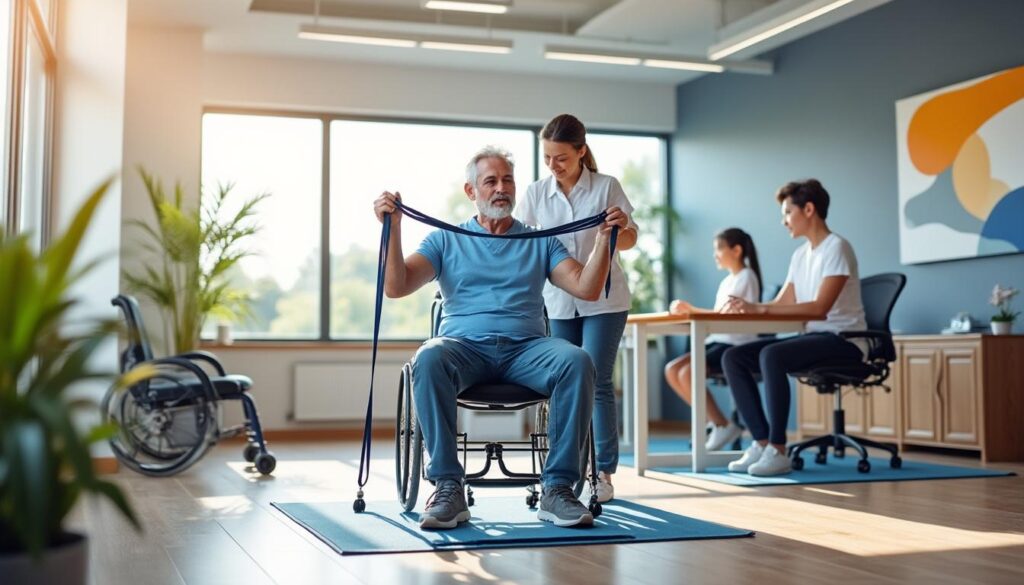
Can Rehabilitation and Return to Work Prevent the Need for Surgery?
In the constantly evolving landscape of spinal healthcare, patients and practitioners alike grapple with a pivotal question: can the rigorous pathways of rehabilitation and structured return to work reduce or even eliminate the need for surgical intervention? The answer, as…
Comprehensive Pain Management and Innovative Neuromodulation Techniques to Enhance Post-Surgery Healing
Effective pain control forms the cornerstone of ensuring patients’ comfort and engagement in rehabilitation activities. Conventional pharmacological management includes anti-inflammatory agents and narcotics carefully titrated to balance efficacy against side effects.
However, emerging adjunct therapies such as repetitive transcranial magnetic stimulation (rTMS) have gained prominence in specialized centers like Neurothérapie Montréal. This method stimulates targeted brain regions to modulate neuropathic pain pathways, often outperforming standard treatments in managing persistent post-laminectomy syndromes.
Neuromodulation not only mitigates pain but also aids in addressing concurrent psychological impairments including depression and anxiety frequently encountered during extended recovery periods. Integrating rTMS enhances patient resilience and participation in physical therapy, providing a valuable tool in multidisciplinary programs.
- Pharmacological regimen: Adhere to prescribed medications such as NSAIDs and controlled opioids.
- Non-invasive neuromodulation: Employ rTMS sessions as complementary therapy under professional supervision.
- Therapeutic heating/cooling: Use ice or heat packs systematically to counteract acute inflammation or muscle spasms.
- Psychological support services: Engage with counseling or psychiatric care to address mood disturbances post-surgery.
- Physical modalities: Incorporate gentle massage or transcutaneous electrical nerve stimulation (TENS) where indicated.
The benefits of neuromodulation and integrated pain protocols are reinforced by positive patient outcomes and rigorous studies referenced in contemporary recovery guidelines available at Spinedoctors MD and Elite Orthopaedic.
| Technique | Application | Clinical Benefits |
|---|---|---|
| NSAIDs & Narcotics | Oral medication as pain control foundation | Reduces inflammation, acute pain relief |
| rTMS (Repetitive Transcranial Magnetic Stimulation) | Targeted brain stimulation sessions | Alleviates chronic neuropathic pain, improves mood |
| Thermal Therapy (Ice & Heat) | Local application on surgical site | Controls swelling, reduces muscle stiffness |
| TENS & Massage Therapy | Adjunct modalities for pain modulation | Enhances circulation, relaxes muscles |
Exploring the Overlooked Benefits of Spine Surgery in France
Spinal disorders are a significant health concern for many patients worldwide, yet the solutions and benefits of spine surgery often remain underappreciated. France, with its advanced healthcare infrastructure and pioneering surgical techniques, has emerged as a noteworthy destination for patients…
Structured Follow-Up Care Pathways for International Patients Recovering from Complex Spine Surgeries
In the context of patients traveling between Quebec and France for surgical care, a coordinated, multidisciplinary follow-up is essential to ensure continuity and quality of post-operative management. Neurothérapie Montréal, in conjunction with SOS Tourisme Médical and Franchir, exemplifies a model that integrates clinical, logistical, and psychological supports seamlessly across borders.
This collaboration facilitates personalized recovery protocols based on the type of surgery performed—whether simple decompression, motion-preserving prosthetic implantation, or multi-level spinal fusion. With the involvement of experts affiliated with Medtronic, DePuy Synthes, and Boston Scientific, patients gain access to cutting-edge implants and rehabilitation methodologies.
- Routine neurofunctional assessments: Monitor neurologic recovery and mobility progression.
- Psychological counseling: Offers emotional support adapting to post-surgical lifestyle changes.
- Adaptation of rehabilitation plans: Incorporate local physiotherapy with guidance from surgical teams abroad.
- Tracking of surgical hardware and graft stability: Via imaging and clinical exams coordinated internationally.
- Seamless communication channels: Between French surgical centers and Canadian rehabilitation facilities.
| Surgical Type | Follow-Up Priorities | Typical Activity Resumption Timeline |
|---|---|---|
| Simple Decompression | Early mobilization, light pain management | Walking immediate to 24-48 hrs, work 3-4 weeks |
| Motion Surgery (Disc Prosthesis) | Function preservation, gradual strengthening | Walking day 1, work 4-6 weeks, sport 10-12 weeks |
| Spinal Fusion (Arthrodesis) | Stabilization, reconditioning phase | Assisted walking 1-2 weeks, work 8-12 weeks, sport up to 24 weeks |
For detailed protocols and personalized recovery schedules, consult expert resources like the comprehensive overview provided by Acibadem HealthPoint and real-life patient experiences shared on The Graceful Chapter.
Cousin Spine Technology and Franchir: Transforming Surgical Decision-Making
In recent years, the integration of advanced medical technologies has dramatically shifted how spinal surgeries are planned, performed, and managed. Among the transformative developments, the alliance between Cousin Spine Technology and Franchir stands out as a pioneering force redefining surgical…
Ergonomic Rehabilitation Tools and Technologies Accelerating Mobility Recovery After Back Surgery
The advancement of rehabilitation equipment contributes significantly to enhancing patient outcomes during recovery. Products from companies such as TheraBand, Breg, and Aspen Medical Products provide tailored solutions for restoring muscle strength, flexibility, and spinal stability.
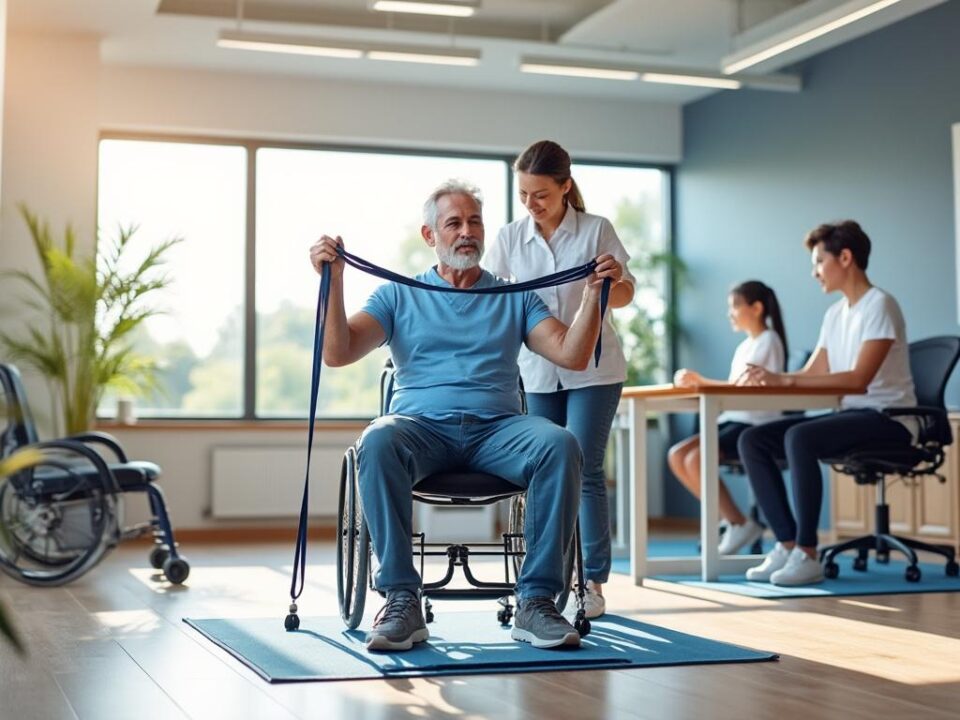
Exercises using resistance bands by TheraBand enable gradual strengthening of paraspinal and core muscles, crucial for supporting the spine and preventing recurrence of injury. Simultaneously, Breg offers specialized back braces that support the healing structures while allowing controlled motion, preventing deconditioning.
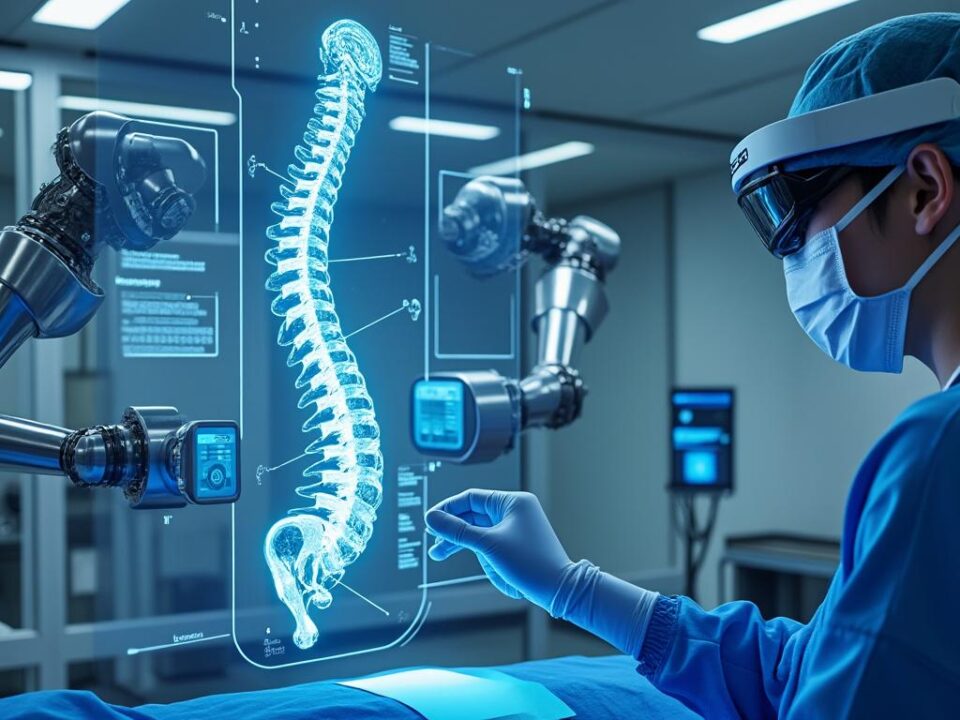
Additionally, cutting-edge innovations in spinal surgery implants, including those from Medtronic, Zimmer Biomet, and DePuy Synthes, paired with minimally invasive approaches and robotic-assisted navigation by firms like eCential Robotics, minimize tissue trauma and accelerate recovery milestones.
- Resistance band exercises: Improve core stabilization and enhance flexibility.
- Supportive bracing: Maintains spinal alignment and reduces mechanical stress.
- Use of assistive walking devices: Encourages early mobilization while guarding against falls.
- Incorporation of neuromuscular electrical stimulation: Promotes muscle activation in weakened areas.
- Adoption of digital rehabilitation platforms: Monitors progress and adapts programs remotely.
Understanding the benefits of these aids is vital for patients aiming to regain independence reliably, as emphasized in publications by Forte Ortho and detailed equipment reviews from LaSpine.
Insights from Research on Preventing Post-Laminectomy Syndrome
Post-Laminectomy Syndrome (PLS), a chronic pain condition arising after spinal surgery, remains a formidable challenge in spinal surgery and pain management. Despite advances in surgical techniques, a significant subset of patients continues to experience persistent neuropathic pain and functional limitations,…
Timeline and Milestones: Navigating Walking, Work, and Sports Resumption After Back Surgery
Patients recovering from back surgery must follow structured timelines to safely resume activities, with milestones tailored to the specific surgery type. Early ambulation within 24 to 48 hours encourages circulation and muscle preservation, minimizing risks of thromboembolic events.
Returning to work varies significantly depending on the surgical complexity. Simple decompression surgeries may allow a light-duty return within one month, whereas motion surgeries and fusion procedures necessitate longer, phased rests of up to three or more months. Sports activities, requiring greater mechanical resilience, commonly resume between 8 to 24 weeks post-operatively.
An illustrative case involved a physically active patient with a lumbar disc herniation undergoing a motion-preserving prosthetic implant and benefiting from comprehensive care including rTMS neuromodulation. This individual resumed light jogging within 10 weeks, exemplifying the measurable gains from contemporary, multidisciplinary rehabilitation.
- Walking: Initiate as early as 24 hours post-operation with moderate effort.
- Light work: Typically feasible by 3-6 weeks for simple to moderate surgeries.
- Full work and physical activity: Restoration of full function over 2 to 6 months.
- Sports: Gradual reintroduction starting between 8 to 24 weeks based on surgical extent.
- Continued monitoring: Adjust timeline based on pain, mobility, and medical advisories.
Patients are encouraged to follow robust recovery timelines detailed by reputable sources such as OWC Health to avoid complications and ensure durable restoration of function.
International Comparison: Spotlight on Spine Care Practices Between France and Quebec
The growing emphasis on spine health in Quebec has spotlighted the value of international collaboration in advancing patient care. With the challenges of prolonged wait times and high private care costs in Quebec, France emerges as an attractive alternative, boasting…
Collaborative Medical Tourism and Continuous Care: Enhancing Back Surgery Outcomes Across Borders
The globalized healthcare market has fostered innovative collaborative pathways for patients seeking specialized back surgery beyond their home countries. Managed programs linking Quebec and France illustrate the benefits of comprehensive coordination between logistics entities like Franchir, medical facilitators such as SOS Tourisme Médical, and specialized recovery centers including Neurothérapie Montréal.
This synergy not only secures optimal surgical preparation and smooth hospital stays but also guarantees post-operative follow-up with advanced neuromodulation treatments and personalized rehabilitation. Patients receive direct access to high-volume centers equipped with technologies by industry leaders Medtronic and Boston Scientific, facilitating surgical precision combined with proven recovery protocols.
- Integrated surgical planning and travel logistics: Ensures efficient patient flow and minimizes stress.
- Post-operative monitoring: Consistent evaluations by a multidisciplinary team across continents.
- Use of modern neuromodulatory and rehabilitation devices: Improves pain management and neurorecovery.
- Patient-centric communication channels: Foster informed decision-making and adherence.
- Cultural and psychosocial support: Addresses emotional health and motivation throughout recovery.
Such cross-border programs reflect an emerging paradigm in health tourism, highlighted in analytical discussions on platforms dedicated to medical travel and recovery innovation like SOS Herniated Disc and SOS Herniated Disc Combined Protocols.

Medical Logistics and Accommodation: Central Pillars in the Patient Care Journey
In the evolving landscape of global healthcare, the interplay between medical logistics and patient accommodation has become a cornerstone for effective and patient-centric care delivery. This synergy is particularly evident in the management of international patient journeys, where cross-border coordination,…
Avoiding Common Pitfalls and Maximizing Healing: Essential Practical Tips for Back Surgery Recovery
Successful recovery transcends medication and therapy; it requires patient engagement, informed decision-making, and avoidance of behaviors that compromise healing. Missteps such as premature overexertion, neglecting prescribed interventions, or immobility can lead to setbacks or chronic complications.
Effective strategies include adherence to medical advice on movement restrictions, maintenance of a nutrient-rich diet emphasizing protein and fiber to counteract inflammation and constipation, and proactive engagement with physical therapy supported by ergonomic aids from brands like TheraBand and Breg.
Moreover, patients are advised to vigilantly monitor for alarming signs such as severe pain spikes or neurological deficits, consulting healthcare providers immediately. Leveraging neuromodulation services at centers like Neurothérapie Montréal enhances recovery quality and reduces chronic pain outcomes.
- Respect movement limitations and brace usage.
- Ensure balanced nutrition to support tissue repair.
- Maintain gradual and guided physical activity.
- Report unusual symptoms promptly.
- Utilize adjunct therapies like rTMS for pain control.
Adopting these measures will significantly contribute to optimizing healing trajectories, as advocated by authoritative guides such as Sciatica.com and LaSpine.
Comprehensive Guide to Eligibility Criteria for Back Surgery
The decision to undergo back surgery involves numerous complex considerations that extend beyond the presence of spinal discomfort. Through an international collaboration between healthcare experts in Quebec and France, patients facing severe spine conditions now have access to advanced surgical…
Multidisciplinary Neuromodulation and Specialized Follow-Up Driving Enhanced Outcomes in Post-Back Surgery Care
Neuromodulation technologies, led by repetitive transcranial magnetic stimulation (rTMS), supplemented by sensory and motor neurorehabilitation devices like BrainPort and PoNS, represent a progressive frontier in post-spine surgery care. Expert teams, notably under the leadership of specialists at Neurothérapie Montréal, tailor protocols leveraging state-of-the-art science to improve functional recovery and psychological well-being.
Such multidisciplinary management involves detailed patient evaluation to customize neuromodulation parameters, optimize physiotherapy, and provide educational guidance for self-care. Collaboration with surgical teams in France ensures the translation of intraoperative insights into tailored rehabilitation regimens, encompassing both motor function and mental health.
- Individualized assessment and protocol development.
- Combined use of neuromodulation methods and physical therapy.
- Psychological support and education integrated into therapy.
- Ongoing communication across international care teams.
- Enhanced functional and pain-related outcomes validated by clinical studies.
Patient testimonies and quantitative data highlight the substantial improvements in mobility and quality of life achieved through these comprehensive approaches, aligning with contemporary standards advocated by esteemed institutions such as EuroSpine and the Société Française de Chirurgie Rachidienne (SFCR).
Post-Back Surgery Recovery Timeline
Interactive timeline to guide you through essential phases after your back surgery. Click on each step for detailed recovery tips.
Select a recovery phase to see details.
Unveiling the Hidden Benefits of Neurovertebral Decompression Therapy
Chronic back and neck pain remain pervasive health issues impacting millions, often leading to debilitating effects on daily life and overall well-being. Traditional management strategies frequently fall short due to lengthy wait times, high costs, or invasive procedures. Amid this…
What are critical warning signs to watch for after back surgery?
Persistent severe pain unrelieved by medication, sudden loss of movement, urinary retention or incontinence, and new numbness or weakness in limbs are signs requiring urgent medical evaluation.
How does rTMS improve post-operative pain control?
rTMS modulates neural circuits responsible for chronic pain via targeted electromagnetic pulses, reducing reliance on medications and improving psychological well-being.
Is early walking advised following back surgery?
Yes, gentle walking within the first 24-48 hours post-surgery stimulates circulation, minimizes complications like deep vein thrombosis, and facilitates quicker mobility recovery.
What should be done if depressive symptoms occur after surgery?
Engagement with mental health professionals is essential. Neuromodulation therapies provided by specialized centers can offer effective support for mood improvement.
What role does Franchir play in international back surgery care?
Franchir organizes surgical appointments with top specialists in France and manages logistical arrangements, ensuring a smooth patient journey from consultation to recovery.