how imaging exam organization transforms the experience for patients in Quebec
August 13, 2025
Top implant: the modern alternative to lumbar fusion
August 14, 2025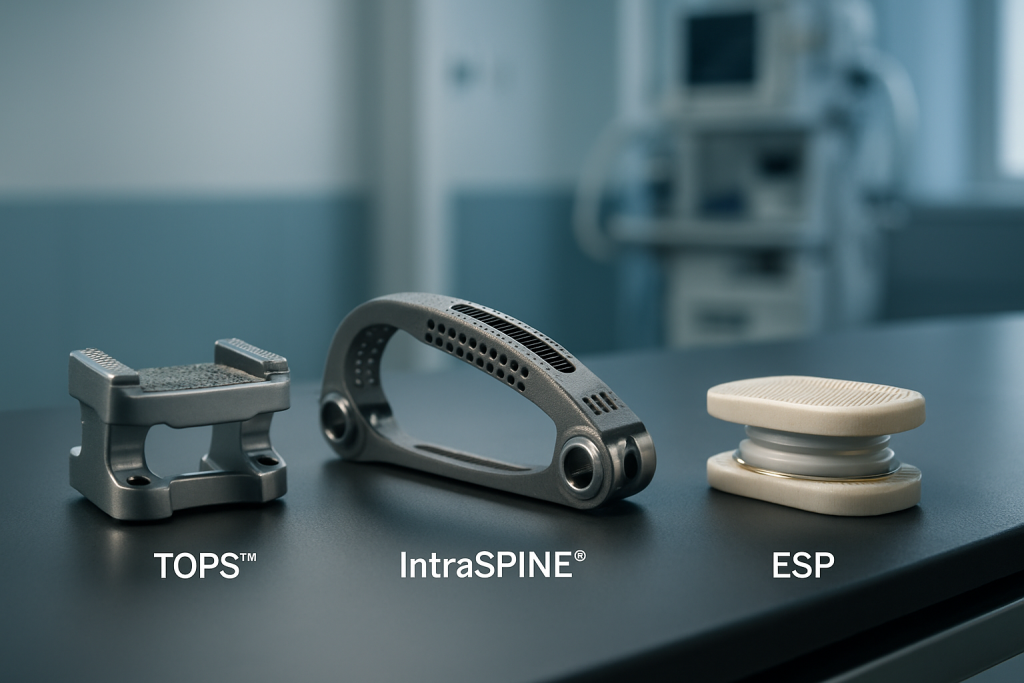
Chronic back and neck pain affect millions worldwide, including a significant population in Quebec, where patients seek advanced yet less invasive alternatives to traditional spinal surgery. The landscape of spinal treatments is evolving, driven notably by innovative dynamic implants developed primarily in France. These devices, including the TOPS System, Intraspine, and ESP Disc, represent a paradigm shift by combining spinal stabilization with the preservation of natural mobility. With over three decades of refined expertise, highly skilled surgeons and coordinated care networks now enable Quebec patients to access these cutting-edge technologies through personalized transatlantic medical pathways involving French surgical centers. This integration of advanced biomechanics, FDA and CE-certified implants, and robotic-assisted surgeries not only promises improved clinical outcomes but also faster recovery and improved quality of life for those suffering from conditions such as degenerative spinal stenosis and spondylolisthesis. Understanding the scientific principles behind these devices, their clinical advantages, and the carefully structured patient journeys strengthens decision-making for those exploring innovative spinal care options.
Dynamic Spinal Implants: Principles and Clinical Benefits of TOPS, Intraspine, and ESP for Quebec Patients
Traditionally, spinal surgery for instability and degenerative diseases has largely relied on spinal fusion, which, while offering necessary stabilization, leads to significant spinal rigidity. This rigidity can often result in diminished mobility and increased stress on adjacent segments, potentially accelerating degeneration. Dynamic implants such as the TOPS System, Intraspine, and ESP Disc introduce a novel biomechanical approach by preserving physiological motion while stabilizing the affected vertebral segment.
The TOPS System (Total Posterior Solution) is characterized by an articulated dorsal plate attached via pedicle screws, enabling controlled movements in flexion-extension, lateral bending, and rotation. This multidirectional flexibility is a unique feature that contrasts with rigid fusion devices. The system is FDA-certified and designed predominantly for patients with moderate spondylolisthesis and localized segmental instabilities. Studies have demonstrated that the TOPS System allows patients to maintain lumbar mobility, which translates into better post-operative function and pain reduction. For a comprehensive overview, patients can consult resources such as the official TOPS site and the Colorado Advanced Orthopedics detailed analysis.
Intraspine is an interspinous process device inserted between spinous processes. Through minimally invasive techniques, it limits excessive lumbar motion and decompresses nerve roots by indirectly expanding the spinal canal. Indicated primarily in moderate lumbar spinal stenosis and mechanical back pain, Intraspine avoids rigid fusion and preserves segmental dynamics. Its percutaneous placement enables outpatient procedures in some cases, reducing hospitalization and facilitating quicker rehabilitation. Manufacturers like Medtronic and Zimmer Biomet offer versions of interspinous devices, reflecting this technology’s adoption and evolution.
The ESP Disc features an elastic stabilization component, integrating a specialized coil spring that balances rigidity with spinal flexibility. This design enables tailored biomechanical support, accommodating various degrees of spinal degeneration or mild instability. CE-certified and FDA-cleared materials ensure patient safety. Implementation of the ESP Disc reduces osseous trauma during surgery, fostering faster functional recovery and fewer post-operative complications. NuVasive and Globus Medical are recognized industry leaders contributing to the development and refinement of such elastic spine technologies.
These dynamic implants collectively offer several clinical advantages over traditional fusion:
- Preservation of spinal mobility: Maintaining physiological motion promotes better functional outcomes and life quality.
- Reduced post-operative pain: Flexibility in implant design limits undue stress at the surgical site.
- Lower risk of adjacent segment degeneration: By sharing loads more naturally, these devices mitigate secondary arthritic progression.
- Less invasive surgical approaches: Minimally invasive implantation reduces tissue trauma, leading to faster recoveries.
- Personalized treatment options: Surgeons select devices tailored to the patient’s condition and lifestyle demands.
| Implant | Function | Main Indications | Clinical Benefits |
|---|---|---|---|
| TOPS System | Dynamic posterior stabilization with multi-axis mobility | Moderate spondylolisthesis, segmental instability | Preserves mobility; FDA-approved; improved patient activity return |
| Intraspine | Interspinous decompression and motion preservation | Moderate lumbar stenosis, mechanical back pain | Minimally invasive; outpatient possible; preserves motion |
| ESP Disc | Elastic semi-rigid stabilization with integrated coil spring | Degenerative pathologies, mild instabilities | Balanced flexibility; reduced bone trauma; faster recovery |
This shifting paradigm toward dynamic implants is expanding the therapeutic horizon for Quebec patients, enabling high-quality spine care that prioritizes functionality and faster restoration of mobility.

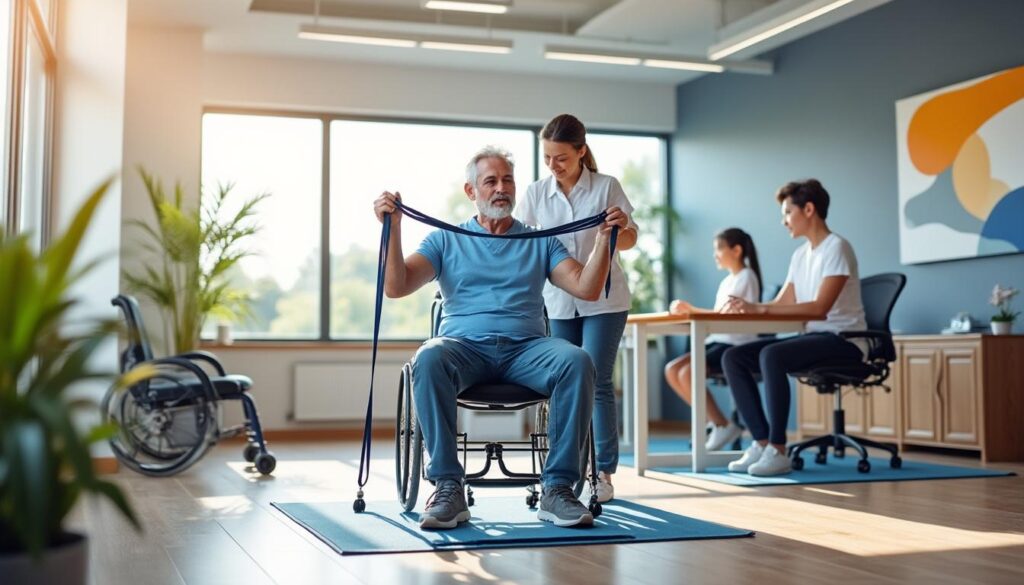
Can Rehabilitation and Return to Work Prevent the Need for Surgery?
In the constantly evolving landscape of spinal healthcare, patients and practitioners alike grapple with a pivotal question: can the rigorous pathways of rehabilitation and structured return to work reduce or even eliminate the need for surgical intervention? The answer, as…
Seamless Transatlantic Surgical Pathways: Accessing TOPS, Intraspine, and ESP Implants for Quebec Patients
One of the most significant challenges for Quebec patients seeking dynamic spinal implants lies in accessing specialized surgical expertise and certified devices like TOPS, Intraspine, and ESP. A remarkable transatlantic cooperation spearheaded by surgical consultant Érik Boulard bridges this gap by coordinating a patient-centric network between Quebec and France.
Initial evaluation and conservative intervention precede surgical consideration. In Quebec, multidisciplinary teams such as those led by Dr. Sylvain Desforges at TAGMED in Montréal and Terrebonne focus on meticulous case assessments. Although they do not diagnose or provide surgical solutions directly, their conservative treatments include advanced robotic decompression therapies, combining efficacy with safety to optimize pre-surgical condition. This approach minimizes unnecessary surgeries and better prepares patients for potential intervention.
Once surgical candidacy is confirmed, Franchir, a dedicated medical logistics organization, orchestrates the patient’s comprehensive journey:
- Selecting the most appropriate surgeon specialized in dynamic spinal implants according to individualized pathology and treatment goals.
- Arranging transatlantic travel, including flights, airport reception, and accommodation near premier hospitals in France.
- Scheduling preoperative consultations and postoperative follow-ups in close collaboration with surgical teams.
This meticulous pathway ensures each patient benefits from expert surgical care in France’s advanced centers, renowned for their utilization of the TOPS System, Intraspine, and ESP implants manufactured by leading global companies like Stryker, Globus Medical, and Spineart. It also facilitates continuous communication between Quebec’s rehabilitation services and French surgeons, optimizing post-surgical outcomes.
After surgery, patients return home to Quebec for personalized rehabilitation managed by organizations such as Neurothérapie Montréal. Their protocols incorporate neurofunctional evaluations, biofeedback techniques, neurofeedback, and psychological support tailored to enhance recovery and minimize potential complications. Such integrative care underscores the success of this transcontinental collaboration in delivering innovative treatments within a safe, seamless framework.
| Care Stage | Responsibility | Description |
|---|---|---|
| Initial Evaluation | Dr. Sylvain Desforges & TAGMED Team | Detailed screening and supervision of conservative decompression therapies |
| Surgical Organization | Franchir | Coordination of surgeon selection, travel, appointments, and accommodations in France |
| Postoperative Follow-up | Neurothérapie Montréal | Neurofunctional personalized therapy, regular assessments, psychological support |
This carefully coordinated itinerary provides patients with peace of mind and ensures continuous access to innovations such as the dynamic implants pathway. It reflects best practices in global spine healthcare integration.

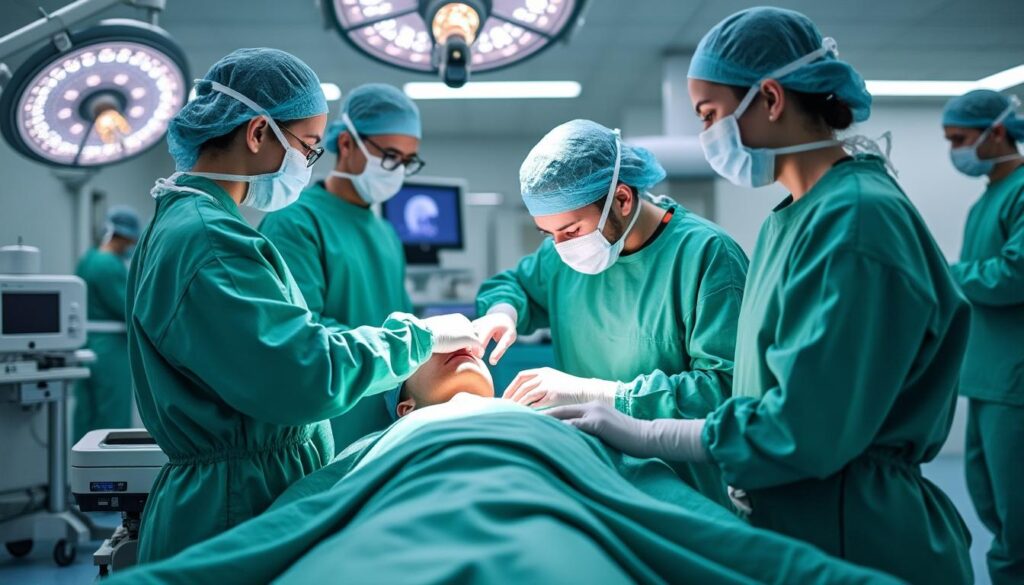
Exploring the Overlooked Benefits of Spine Surgery in France
Spinal disorders are a significant health concern for many patients worldwide, yet the solutions and benefits of spine surgery often remain underappreciated. France, with its advanced healthcare infrastructure and pioneering surgical techniques, has emerged as a noteworthy destination for patients…
Integration of Robotics and Certification Standards Enhancing Spinal Surgery Outcomes in France
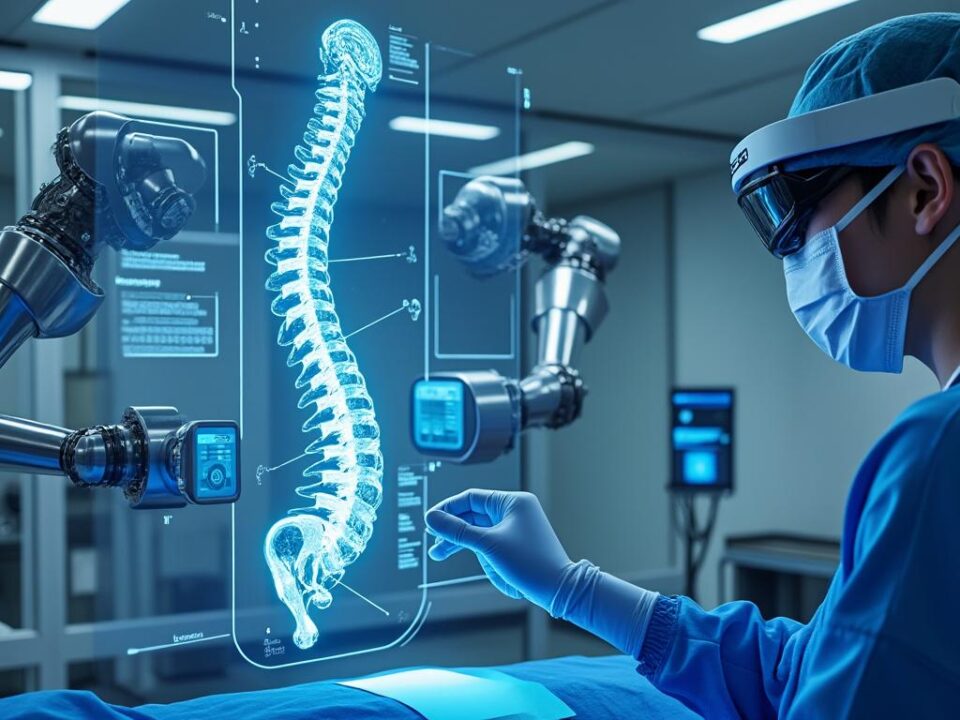
France stands at the forefront of contemporary spinal surgery, blending cutting-edge robotics with rigorous device certifications to elevate patient safety and surgical precision. A pivotal technological cornerstone is the Medtronic Mazor robotic platform, operational since 2022 in leading institutions like the Hôpital Privé Saint-Martin de Pessac. This robot facilitates 3D surgical planning with intraoperative navigation, ensuring highly accurate implant placement and minimal bone disruption.
The synergy between robotic assistance and dynamic implants reinforces excellent clinical results. For example, robotic guidance has dramatically reduced incorrect screw placements, a common cause of neurological complications, as confirmed by recent French studies published in 2024. Furthermore, operation times are shortened, and radiation exposure during fluoroscopy is minimized, benefiting both patients and surgical teams.
Implants such as the TOPS System, Intraspine, and ESP Disc adhere to the highest international quality benchmarks. All are CE-marked and FDA-approved where applicable, ensuring:
- Full traceability throughout manufacturing and distribution;
- Optimal biocompatibility to minimize immune responses;
- Proven clinical performance through rigorous, peer-reviewed trials;
- Durability and long-term safety verified in multiple cohorts.
Leading manufacturers responsible for these innovations include Zimmer Biomet, NuVasive, Centinel Spine, and Stryker, whose collaboration with clinical multidisciplinary teams supports iterative design improvements. Regular training programs, such as the French Diplôme Inter-Universitaire de Chirurgie du Rachis (DIU) and specialized courses like the IRCAD Strasbourg Endoscopic Spine Course, foster continuous skill advancement among surgeons.
Bridging clinical expertise and advanced technologies establishes France as a prime destination for complex spine surgery, balancing innovation with patient-centered care. This environment directly benefits Quebec patients who gain privileged access to top-tier surgical care and postoperative monitoring supported by robotic precision and certified implant reliability.
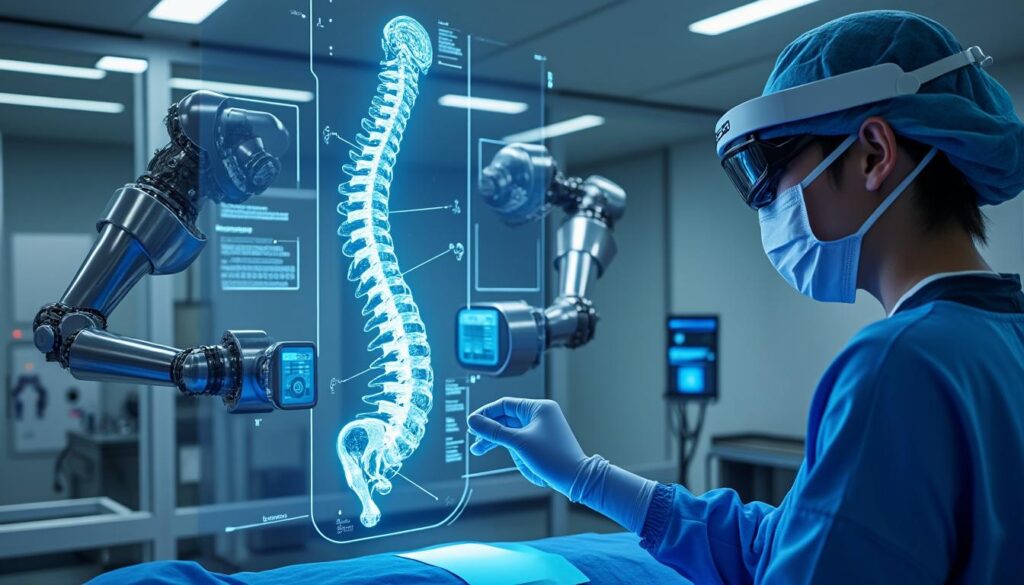
Cousin Spine Technology and Franchir: Transforming Surgical Decision-Making
In recent years, the integration of advanced medical technologies has dramatically shifted how spinal surgeries are planned, performed, and managed. Among the transformative developments, the alliance between Cousin Spine Technology and Franchir stands out as a pioneering force redefining surgical…
Biomechanics and Design: How TOPS, Intraspine, and ESP Devices Preserve Spinal Function
Understanding the biomechanics underpinning dynamic spinal implants is crucial for appreciating their therapeutic ingenuity. The spine requires a delicate balance between stability and mobility to resist mechanical stresses and maintain neural element protection.
The TOPS System consists of an anatomically contoured dorsal plate equipped with articulations acting similarly to physiological facet joints. Its design permits controlled degrees of motion in multiple planes—flexion, extension, lateral bending, and axial rotation—while restraining excessive displacement that could compromise spinal stability. This dynamic stabilization minimizes altered loading on adjacent segments that frequently accelerates degenerative changes after fusion.
Intraspine functions by physically limiting hyperextension and excessive motion between spinous processes. Its interspinous spacer decompresses nerve roots by indirectly enlarging the neural foramina and central canal, alleviating symptoms related to spinal stenosis while retaining segmental mobility.
The ESP Disc employs an integrated spring mechanism that complements the spine’s natural elastic properties. This semi-rigid support adapts biomechanically to variations in load and activity, providing essential stability without sacrificing flexibility lastingly.
These biomechanics translate clinically into:
- Improved postural control and reduced pain;
- Maintenance of spinal alignment without undue segmental rigidity;
- Lower incidence of adjacent segment disease over time; and
- Enhanced patient satisfaction due to preserved function.
With dynamic implants, surgeons are empowered to tailor interventions that respect individual biomechanical requirements, mitigating the drawbacks of conventional fusion and fostering holistic spinal health over the long term.
| Biomechanical Feature | TOPS System | Intraspine | ESP Disc |
|---|---|---|---|
| Motion Preservation | Multi-axis flexion-extension, rotation, lateral bending | Limits hyperextension, preserves rest motion | Semi-rigid via integrated elastic spring |
| Neural Decompression | Indirect by stabilizing affected vertebrae | Yes – maintains foraminal height | Maintains segmental height and stability |
| Load Sharing | Balanced mechanical load distribution | Reduces facet joint stress | Adaptive spring reduces stiff loading |
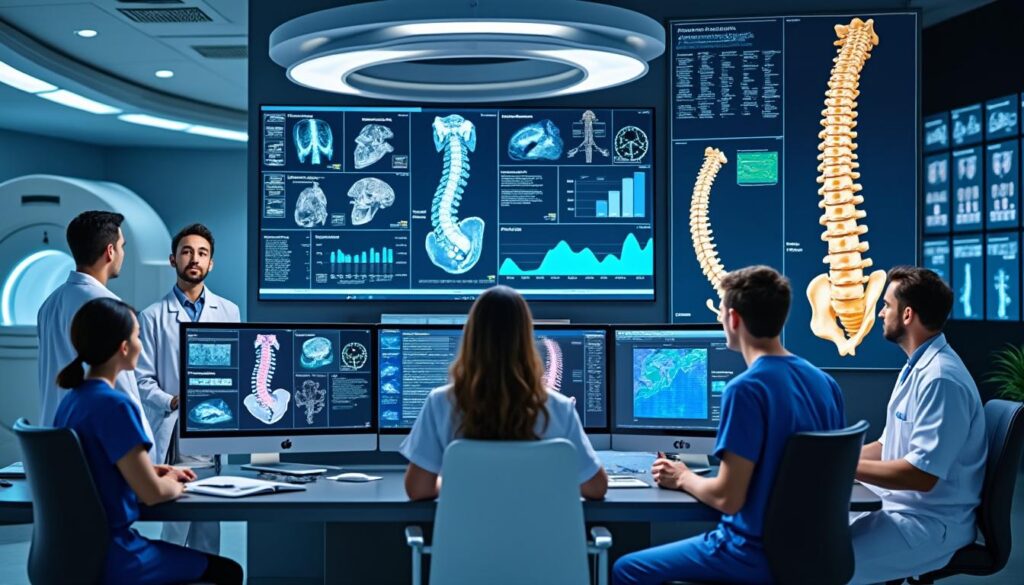
Insights from Research on Preventing Post-Laminectomy Syndrome
Post-Laminectomy Syndrome (PLS), a chronic pain condition arising after spinal surgery, remains a formidable challenge in spinal surgery and pain management. Despite advances in surgical techniques, a significant subset of patients continues to experience persistent neuropathic pain and functional limitations,…
Minimally Invasive Surgical Techniques for Implantation of TOPS and Associated Devices
The evolution of spinal surgery has been profoundly influenced by the adoption of minimally invasive techniques, which optimally support the implantation of dynamic devices like TOPS, Intraspine, and ESP. These advances translate to reduced operative trauma, lower blood loss, minimal scarring, and shortened hospital stays.
The TOPS System implantation involves a posterior approach with precise pedicle screw fixation, augmented by real-time robotic navigation to ensure exact screw placement. Surgical exposure is limited to preserve paraspinal musculature, contrasting with open fusion techniques. This care approach significantly enhances post-surgical recovery speed and overall outcomes, as detailed in the clinical experience reports.
Intraspine is typically inserted via a minimally invasive lateral or posterior approach under fluoroscopic guidance. The procedure can often be completed in outpatient settings, which is advantageous for elderly or comorbid patients. Less soft tissue disruption during this procedure offers clear benefits regarding postoperative pain management and functional restoration.
The ESP Disc implantation similarly employs minimally invasive techniques, ensuring reduced operative trauma and expedited recovery. Many centers employ patient-specific preoperative planning coupled with intraoperative imaging and robotic assistance, optimizing implant positioning and functional results.
- Minimized tissue damage reduces postoperative discomfort.
- Reduced hospitalization and healthcare costs.
- Higher patient satisfaction and quicker return to activities.
- Decreased complication rates compared to traditional open surgeries.
These minimally invasive approaches have become instrumental in integrating innovative implants into routine spinal surgery safely and effectively.

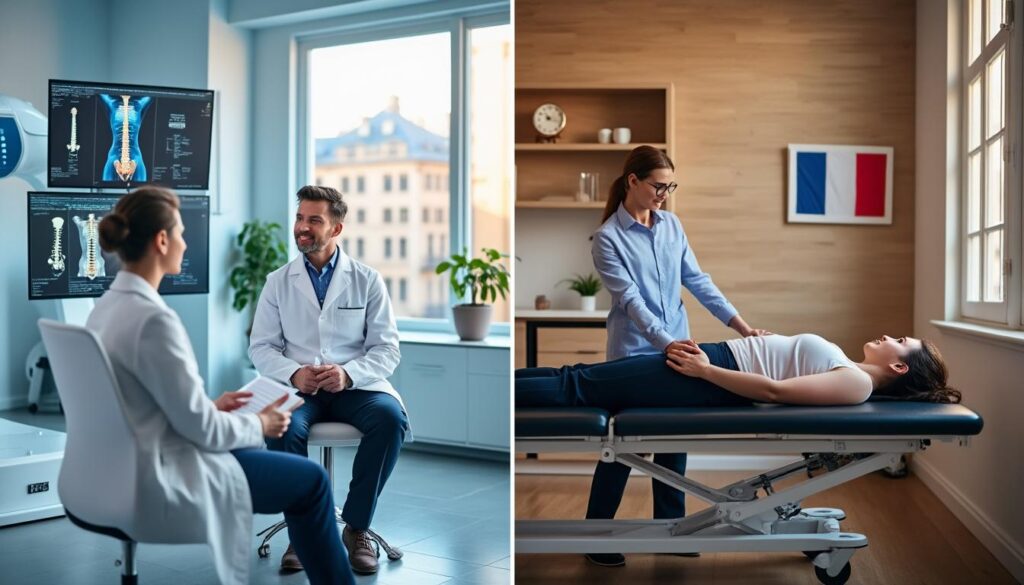
International Comparison: Spotlight on Spine Care Practices Between France and Quebec
The growing emphasis on spine health in Quebec has spotlighted the value of international collaboration in advancing patient care. With the challenges of prolonged wait times and high private care costs in Quebec, France emerges as an attractive alternative, boasting…
The Role of Leading Global Manufacturers in Advancing Spine Implant Technologies for Quebec Markets
The development and availability of the TOPS System, Intraspine, and ESP implants for Quebec patients are linked to the continuous innovation efforts of top-tier global medical device manufacturers. Entities such as Medtronic, Zimmer Biomet, NuVasive, Globus Medical, Stryker, Spineart, and Centinel Spine are pivotal contributors to these advancements.
These companies invest heavily in research and development, producing devices that meet stringent regulatory standards including FDA clearance and CE marking. Collaborations with clinical research institutes allow iterative refinement to enhance safety, biomechanical compatibility, and usability.
For example, Medtronic’s partnership to develop robotic platforms like the Mazor system complements their dynamic implant portfolio by ensuring precise surgical implantation. Similarly, Zimmer Biomet integrates advanced biomaterials that promote osseointegration and long-term implant durability.
This constellation of manufacturers guarantees that Quebec patients benefit from access to implants that are at the forefront of scientific and clinical progress, underscored by comprehensive global supply chains and distribution networks coordinated by specialized medical tourism facilitators.
- Continuous innovation drives safer and more effective spinal implants.
- Global reach ensures availability within Quebec healthcare pathways.
- Integration with robotic and navigation technologies improves surgical accuracy.
- Collaborative feedback loops between surgeons and manufacturers optimize product development.
As a result, dynamic spinal implants offered in Quebec today reflect the combined expertise and resources of leading international players committed to enhanced patient-centered spine care.
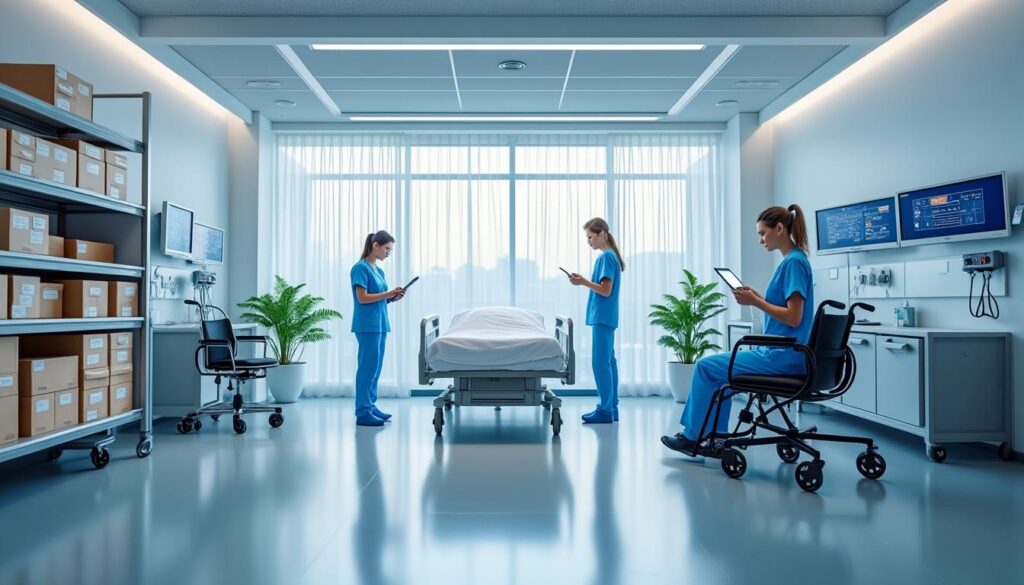
Medical Logistics and Accommodation: Central Pillars in the Patient Care Journey
In the evolving landscape of global healthcare, the interplay between medical logistics and patient accommodation has become a cornerstone for effective and patient-centric care delivery. This synergy is particularly evident in the management of international patient journeys, where cross-border coordination,…
Patient-Centered Outcomes: Quality of Life Improvements After Dynamic Implant Surgery
The transition from conventional fusion to dynamic stabilization with implants like TOPS, Intraspine, and ESP fundamentally changes patient recovery experiences and long-term quality of life. Preserving native spinal movement reduces disability and accelerates the resumption of daily activities, contributing to both physical and psychological well-being.
Extensive patient-reported outcome measures affirm that those receiving dynamic implants report:
- Lower chronic pain levels, especially lumbar pain improved through spinal mobility preservation;
- Enhanced ability to perform daily and occupational tasks, reducing dependence on pain medications;
- Higher satisfaction scores relating to movement freedom;
- Decreased incidence of reoperation due to adjacent segment disease;
- Improved emotional health due to reduced physical limitations.
For post-surgical functional maintenance, ongoing rehabilitation and lifestyle modifications remain crucial. Quebec’s integrated care approach, involving local neurotherapy and nutrition specialists, complements the benefits gained from these innovative devices.
| Outcome Measure | Dynamic Implants Benefits | Comparative Fusion Surgery Consideration |
|---|---|---|
| Pain Reduction | Significant decrease with preserved motion | Often reduced but may involve increased stiffness |
| Mobility | Maintenance of physiological spinal motion | Loss of segmental motion post-fusion |
| Quality of Life | Improved functional autonomy and satisfaction | May involve limitations due to rigidity |
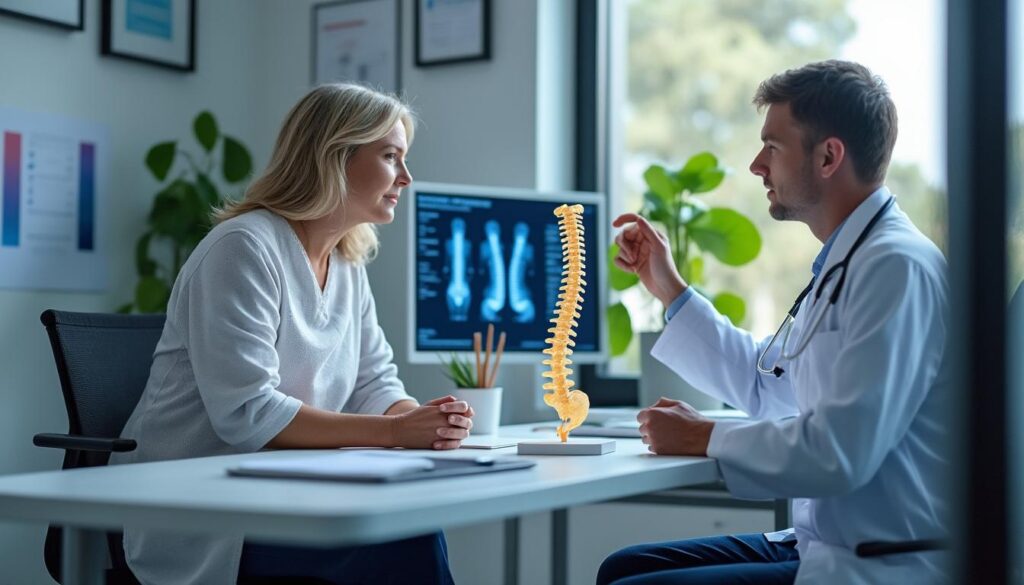
Comprehensive Guide to Eligibility Criteria for Back Surgery
The decision to undergo back surgery involves numerous complex considerations that extend beyond the presence of spinal discomfort. Through an international collaboration between healthcare experts in Quebec and France, patients facing severe spine conditions now have access to advanced surgical…
Patient FAQs on Dynamic Spinal Implants and Treatment Options in Quebec and France
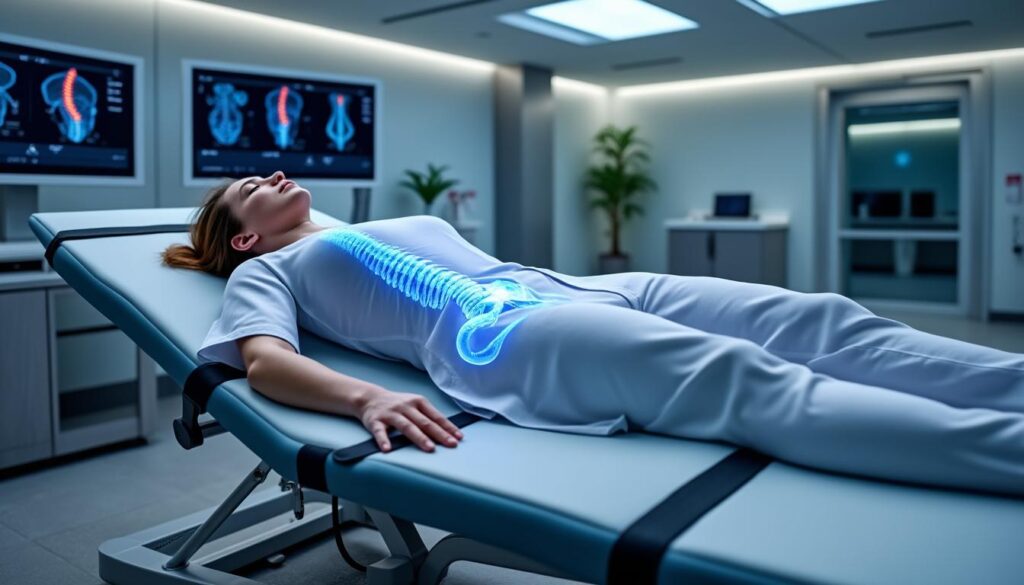
Unveiling the Hidden Benefits of Neurovertebral Decompression Therapy
Chronic back and neck pain remain pervasive health issues impacting millions, often leading to debilitating effects on daily life and overall well-being. Traditional management strategies frequently fall short due to lengthy wait times, high costs, or invasive procedures. Amid this…
Which implant is most suitable for lumbar surgery in France for Quebec patients?
Dynamic implants such as the TOPS System, Intraspine, and ESP Disc are selected based on the specific pathology and severity. The choice is made by the surgical team considering the patient’s medical profile and functional goals, ensuring optimal treatment. Learn more on implant selection here.
Is implant placement mandatory in all back surgeries?
Not all spinal surgeries require implants. Procedures targeting simple neural decompression without instability typically do not involve implant use. Implantation is reserved for cases where stabilization is essential to prevent or correct segmental instability. Additional information is available here.
How is a surgical stay in France organized for Quebec patients?
The organization is managed by the Franchir group, facilitating surgeon selection, appointment scheduling, flight bookings, accommodation, and local transportation. This structure simplifies international care logistics and supports patient comfort throughout the treatment journey. Details can be found here.
What are post-operative advantages of dynamic spinal implants?
Dynamic implants preserve segmental mobility, which leads to enhanced functional recovery, noticeable reduction in chronic pain, and a lower risk of degeneration in adjacent spine segments. Collectively, these benefits improve autonomy and reduce further interventions. More insights are accessible here.
What follow-up care is provided after surgery?
Postoperative follow-up in Quebec involves personalized neurotherapy including functional assessments, biofeedback, and psychological support, delivered by specialized clinics like Neurothérapie Montréal. This multidisciplinary approach ensures optimum healing and adaptation after implant surgery. Visit this source for detailed care protocols.