Spinal decompression outcome of clinical study
September 27, 2010
CLINICAL STUDIES ON THE EFFECTIVENESS OF SPINAL DECOMPRESSION
September 16, 2011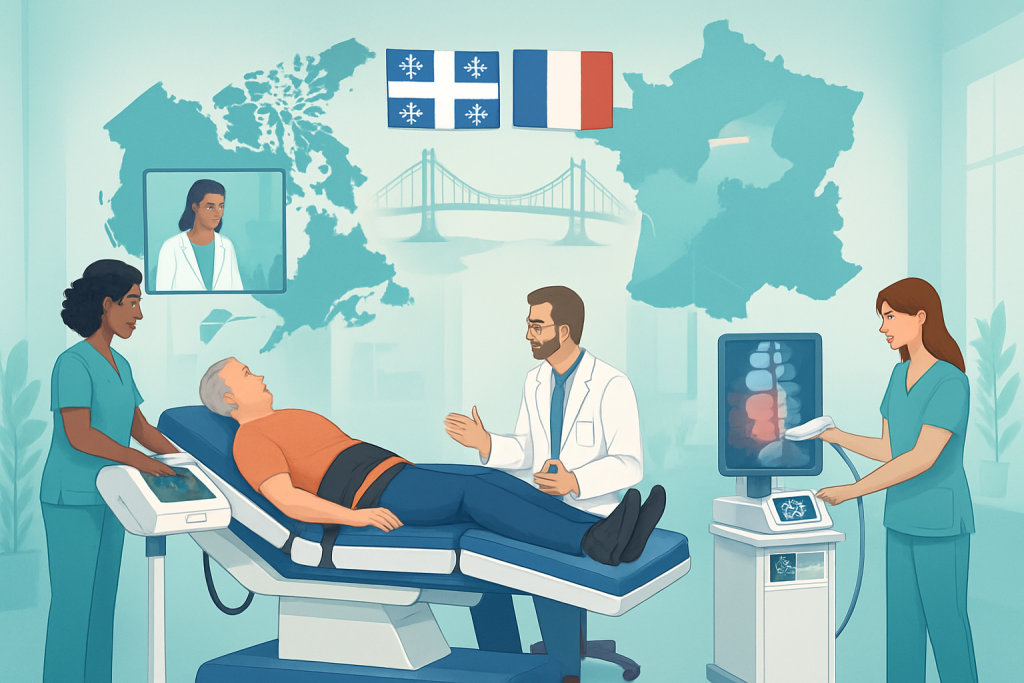
Chronic low back pain remains one of the most pervasive health challenges worldwide, affecting millions and severely impairing quality of life. As individuals seek alternatives to invasive surgeries, nonsurgical spinal decompression therapy emerges as a pioneering approach offering hope for relief. This innovative treatment employs advanced technology to gently ease pressure on spinal discs, promoting natural healing and reducing nerve irritation without the risks of surgical intervention. The technology’s evolution, coupled with rigorous scientific evaluations, has fostered its integration into comprehensive spine care programs, spearheaded by experts like Dr. Sylvain Desforges. With more than 30 years of clinical experience and leadership in osteopathy and alternative medicine, Dr. Desforges has shaped patient-focused protocols that combine spinal decompression devices such as the DRX9000 and SpineMED with other precision osteopathic therapies. His commitment to evidence-based practice and international collaboration ensures that patients receive tailored, safe, and effective care pathways. Exploration of spinal decompression’s mechanisms, treatment indications, patient experiences, and clinical outcomes highlights its valuable role within modern conservative management of chronic low back pain.
Understanding Nonsurgical Spinal Decompression: Advanced Technology and Techniques
Nonsurgical spinal decompression therapy utilizes state-of-the-art motorized tables and specialized devices that apply controlled traction forces to the spine with the goal of relieving disc and nerve pressure. Systems such as the DRX9000, VAX-D, and ChiroFusion represent some of the most sophisticated equipment designed to deliver precise decompression tailored to individual anatomy.
The principle revolves around creating a gentle, cyclical stretching of the spine, which generates negative intradiscal pressure. This decompression effect promotes retraction of herniated or bulging discs, decreases nerve root compression, facilitates nutrient-rich blood flow, and stimulates disc hydration, all critical for disc health and pain reduction.
Dr. Sylvain Desforges integrates multiple high-end systems like the Accu-SPINA and Antalgic-Trak in his clinical practice, providing comprehensive evaluation and patient-specific treatment protocols. His extensive expertise in osteopathy complements this advanced technology by addressing muscular and skeletal imbalances that may contribute to spinal stress.
Key aspects defining nonsurgical spinal decompression include:
- Non-invasive methodology: No surgical incisions or anesthesia are involved, drastically lowering complication risks.
- Precision control: Motorized tables enable fine adjustments to force, angle, and duration, ensuring optimal decompression.
- Customized treatment plans: Each plan adapts to patient history, spinal condition, and symptom severity.
- Multimodal approach: Often combined with laser therapy, shockwave treatment, and osteopathic manipulations for comprehensive care.
- Evidence-based validation: Supported by clinical studies showing improvements in pain and function with minimal side effects.
The classical devices used today, including the Back on Trac system and Hill DT Solutions, underpin various protocols that enhance patient comfort while aiming for effective spinal realignment. For more detailed mechanisms and technology descriptions, resources such as InSpine Chiro provide accessible, science-grounded insights.
| Device Name | Key Features | Unique Advantages |
|---|---|---|
| DRX9000 | Computerized traction with real-time feedback | Highly tailored force control for maximum decompression |
| SpineMED | Integrated pelvic stabilization and target-specific decompression | Reduces muscular resistance, enhancing effectiveness |
| VAX-D | Variable angle and decompression cycles | Adjustable protocol for various spinal pathologies |
| Antalgic-Trak | Patient-positioned harness systems | Improves comfort, allowing longer session durations |

Gait in relation to the level of lumbar disc herniation
The complex relationship between lumbar disc herniation and gait abnormalities presents an important dimension in understanding spinal health and functional mobility. Lumbar disc herniation, a prevalent orthopedic condition, often manifests in altered walking patterns due to neurological deficits and musculoskeletal…
The Science and Clinical Evidence Supporting Spinal Decompression Therapy
Nonsurgical spinal decompression has gradually gained recognition within the medical community due to rigorous research validating its efficacy and safety for chronic low back pain originating from various disc-related causes. Influential early studies, such as those led by John Leslie, MD, at the Mayo Clinic, demonstrated impressive outcomes among patients who suffered from herniated, bulging, or degenerative discs, including cases following failed back surgery.
This clinical trial, first shared at prestigious forums like the American Academy of Pain Management, involved 20 participants undergoing 20 decompression treatments over six weeks after unsuccessful conservative treatments including chiropractic care, physical therapy, injections, and other modalities. Remarkably, the average pain score reduced from 6.4/10 to 0.8/10, indicating substantial relief.
The study also documented improved functional abilities and a decrease in the need for pain medications, highlighting spinal decompression’s promise as an alternative or adjunct to traditional interventions. Importantly, no adverse effects were reported, underscoring the therapy’s safety profile.
Subsequent literature reviews and meta-analyses reinforce these results, confirming that nonsurgical spinal decompression can:
- Reduce intradiscal pressure effectively to allow disc retraction and repair.
- Enhance neural function by relieving nerve compression.
- Promote improved blood circulation to injured disc tissues.
- Facilitate disc hydration which is critical for preserving spine flexibility and shock absorption.
More comprehensive data and professional discussions can be explored at SOS Herniated Disc and would benefit patients seeking evidence-based information. This body of research supports spinal decompression as a vital tool within the non-invasive treatment landscape, especially for patients seeking alternatives to surgery.
Dr. Desforges incorporates this scientific rigor into his evaluation and practice philosophies. His approach emphasizes adherence to ethical standards governed by Quebec and Canadian regulations, ensuring patient safety and therapeutic integrity throughout treatment plans.
| Study | Population | Treatment Duration | Outcome | Safety |
|---|---|---|---|---|
| Leslie et al., Mayo Clinic (2007) | 20 chronic LBP patients | 20 sessions over 6 weeks | Pain score decreased 88% | No adverse effects |
| Meta-analysis, PMC Publication | Various chronic spine conditions | Variable | Improved function and pain | Minimal risks reported |
Optimum Signs for Presence and Degree of Lumbar Disc Herniation
The prevalence of lumbar disc herniation remains a significant concern in musculoskeletal and neurological health worldwide. Emerging as a prevalent source of low back pain, it poses diagnostic challenges and demands nuanced clinical and radiographic evaluation to optimize patient outcomes.…
Patient-Centered Evaluation: Dr. Sylvain Desforges’ Approach to Comprehensive Spinal Assessment
With three decades of clinical experience, Dr. Sylvain Desforges stands out for his meticulous, holistic evaluation of spinal disorders prior to recommending nonsurgical spinal decompression therapy. His interdisciplinary approach bridges osteopathy, naturopathy, and advanced technology integration to tailor treatments that respect each patient’s unique medical profile and history.
Dr. Desforges emphasizes detailed medical history reviews, biomechanical assessments, and imaging evaluations to identify the underlying causes of pain, pinpoint dysfunctional structures, and assess the appropriateness of decompression therapy. Unlike many generalized spine care providers, his method ensures patients receive personalized care addressing musculoskeletal imbalances and neurological concerns in harmony.
The structured evaluation process typically includes:
- Comprehensive clinical interview to understand symptom onset, intensity, previous treatments, and lifestyle factors.
- Physical examination emphasizing spinal alignment, range of motion, and neuromuscular function.
- Imaging review such as MRI or CT scans, to assess disc pathology and nerve involvement.
- Functional testing including gait analysis and strength tests to identify biomechanical deficits.
- Consultation regarding patient goals and expectations to co-create realistic care plans.
For patients considering spinal decompression, this individualized evaluation offers the foundation for optimizing treatment outcomes — a philosophy clearly presented at SOS Herniated Disc Professionals. Through this approach, Dr. Desforges strives to maximize symptom relief while minimizing unnecessary interventions.

Chronic low back pain affects millions globally, prompting the development of diverse treatment strategies. Among these, non-surgical spinal decompression therapy has emerged as a prominent conservative option, acclaimed for its potential to alleviate pain without invasive procedures. This treatment aligns…
Indications and Patient Selection Criteria for Nonsurgical Spinal Decompression
Effective use of spinal decompression begins with appropriate patient selection, a detail Dr. Sylvain Desforges honed across his leadership roles with the Canadian College of Osteopaths and TAGMED Clinics. Not all spine conditions are suitable for decompression; careful screening optimizes both safety and therapeutic success.
Ideal candidates often present with:
- Herniated, bulging, or protruding lumbar discs verified by imaging, causing nerve root impingement or radiating pain.
- Chronic lower back pain attributed to mechanical or degenerative causes without severe neurological deficits.
- Degenerative disc disease where conservative therapies have not achieved sufficient relief.
- Patients who have undergone unsuccessful back surgeries seeking alternative non-invasive treatments.
- Individuals reluctant or unfit for surgery wishing to explore conservative care options.
Conversely, contraindications include conditions such as severe spinal instability, fractures, advanced osteoporosis, infections, tumors, or pregnancy. These factors necessitate alternative medical pathways and are carefully screened during evaluation. Detailed contraindications and safety guidelines are outlined comprehensively at SOS Herniated Disc Contraindications.
Examples of patients who found relief through such candidacy assessment include:
- A middle-aged office worker with bulging L4-L5 disc and sciatica, who avoided surgery after treatment with SpinalAid and Decompression Pro under Dr. Desforges’ oversight.
- Active seniors with degenerative discs improved through Accu-SPINA supported protocols combined with osteopathic care.
Table summarizing candidate profiles:
| Condition | Suitable Devices | Expected Outcome |
|---|---|---|
| Herniated Disc | DRX9000, VAX-D | Pain reduction, disc retraction |
| Degenerative Disc Disease | SpineMED, Antalgic-Trak | Improved function, pain control |
| Post-surgical Cases | ChiroFusion, Back on Trac | Reduced nerve symptoms, enhanced mobility |
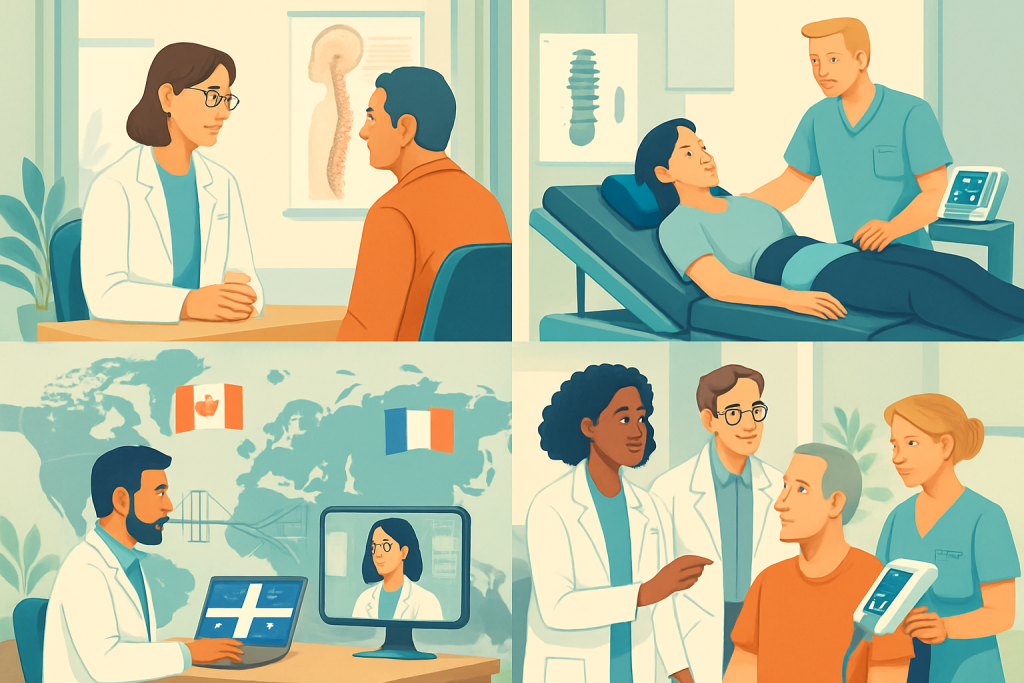
CLINICAL STUDIES ON THE EFFECTIVENESS OF SPINAL DECOMPRESSION
Spinal decompression therapy stands at the forefront of non-invasive treatments for chronic low back pain, a condition that persists as a major health challenge worldwide. Affecting up to 85% of individuals during their lives, low back pain not only diminishes…
Advantages of Nonsurgical Spinal Decompression: Pain Relief, Mobility, and Quality of Life Enhancement
For many patients beleaguered by chronic low back pain, traditional treatments often fail to provide lasting relief without risking invasive surgery. Nonsurgical spinal decompression offers compelling advantages by addressing the root biomechanical causes of pain while supporting the body’s natural healing mechanisms.
Key benefits observed in clinical practice and patient feedback include:
- Significant pain reduction: By decompressing spinal structures, nerve irritation and inflammation decrease substantially.
- Restoration of spinal mobility: Disc hydration improves flexibility, reducing stiffness and enabling more normal movement patterns.
- Safer alternative to surgery: Avoiding risks of infection, anesthesia complications, and lengthy recovery periods.
- Reduced reliance on medications: Patients often experience less need for analgesics and muscle relaxants, enhancing overall wellbeing.
- Accelerated return to daily activities: Most individuals resume work and recreational pursuits faster compared to post-surgical recovery.
Studies echo these advantages; for example, findings reported by the Keller Disc & Spine summarize patient improvements in pain scores, mobility, and quality of life after structured decompression programs.
Dr. Desforges’ clinic leverages these benefits through integrated care models, combining the latest decompression systems with laser therapy and expert osteopathic adjustments, optimizing long-term outcomes. These multidisciplinary combinations contribute to sustained symptom control far beyond the immediate treatment period.

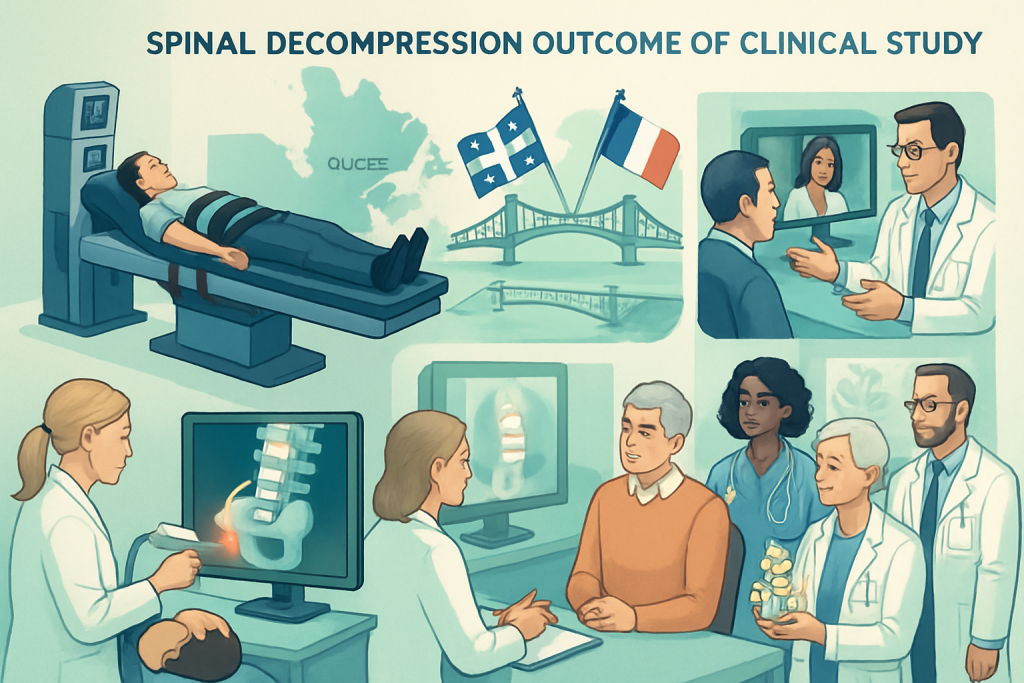
Spinal decompression outcome of clinical study
In recent years, spinal decompression therapy has emerged as a promising non-invasive treatment for patients suffering from herniated discs and other degenerative spinal conditions. The efficacy of this approach is under continual scrutiny through clinical studies evaluating both immediate and…
What Patients Can Expect: Treatment Protocols and Personal Experiences
Nonsurgical spinal decompression is usually administered over multiple sessions, typically spanning 4 to 8 weeks, with individual treatment times between 20 and 45 minutes. Dr. Sylvain Desforges ensures that each session is customized and delivered using devices such as the DRX9000 or the Decompression Pro to maximize therapeutic impact while prioritizing patient comfort.
During a session, patients are fitted with a comfortable harness and positioned on a specialized table. The machine gently pulls the spine in controlled cycles designed to decompress affected discs and surrounding soft tissues. Many describe the sensation as relaxing with intermittent gentle stretching, contrary to perceptions of discomfort.
Typical patient journey includes:
- Initial consultation and evaluation to determine suitability and establish baseline health status.
- Regular treatment sessions scheduled two to three times weekly.
- Periodic reassessments to monitor progress and adjust parameters.
- Complementary therapies such as targeted osteopathic manipulation or laser treatments when indicated.
- Post-therapy rehabilitation and lifestyle recommendations to sustain benefits long-term.
Patient testimonials often emphasize noticeable improvements within a few weeks, reporting decreased pain, better sleep quality, and increased activity levels. For a comprehensive patient experience perspective and expert interviews, one may consult detailed resources like SOS Herniated Disc Complete Guide.

Chronic Low Back Pain and Herniated Discs: Solutions in Repentigny
Millions around the globe endure the debilitating impact of chronic low back pain, often caused by herniated discs—a frequent and complex spinal condition. This affliction can severely diminish quality of life through persistent discomfort, reduced mobility, and interference with daily…
Global Coordination and Innovations: Bridging Care Between Canada and France
Unique to Dr. Sylvain Desforges’ practice is the seamless management of patient journeys between Canada (particularly Quebec) and France. By fostering collaborations with top spine surgeons and clinics abroad alongside Canadian care providers, he enables patients to access a wider range of advanced surgical and nonsurgical technologies.
This international coordination enhances treatment timelines and quality—critical factors for patients waiting for specialized interventions. Platforms such as SOS Tourisme Médical facilitate this transatlantic partnership, offering patients personalized support throughout evaluation, treatment, and follow-up phases.
Additionally, Dr. Desforges remains an early adopter of innovative interventions like dynamic spinal implants and laser therapy techniques, integrating them with decompression protocols. These advances reflect scientific rigor and a patient-centered ethic in spine care.
- Access to cutting-edge implant technologies not widely available in Canada.
- Combination of minimally invasive surgeries with presurgical decompression to optimize outcomes.
- Personalized patient navigation services managing appointments and travel logistics.
- Use of telemedicine for ongoing care coordination across continents.
- Continuous education empowering patients to be active participants in their care.
For patients considering international spine care options or specialized interventions, this coordinated model represents a unique added value. More information on this collaborative approach can be obtained through SOS Tourisme Médical.
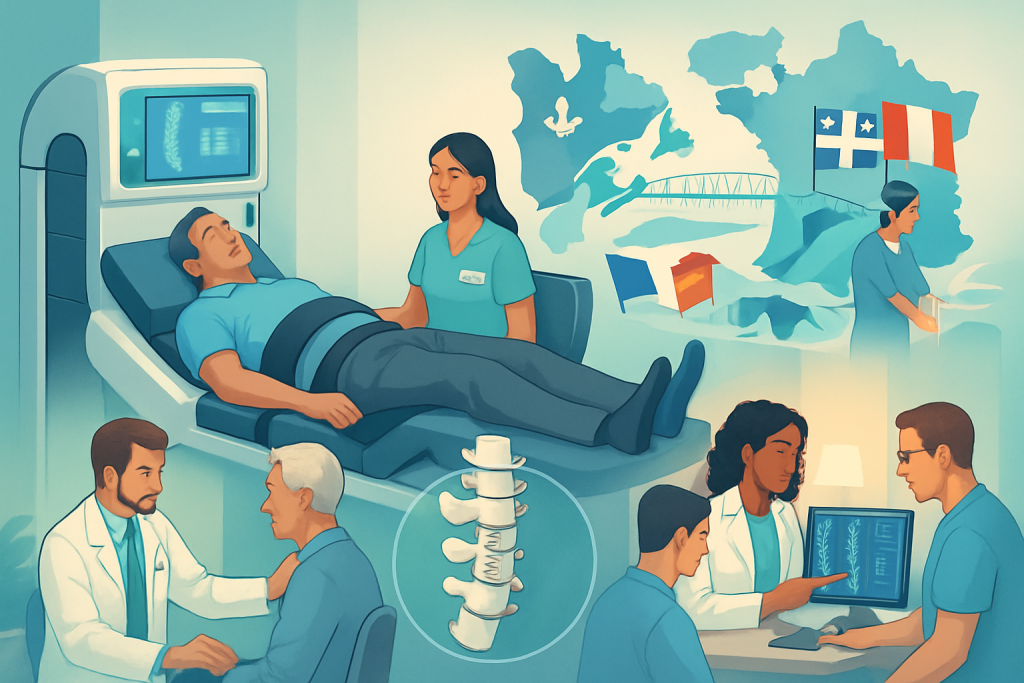
Non-Surgical Spinal Decompression for Herniated Discs in Montreal: Complete Guide
Living with persistent back pain due to a herniated disc can drastically affect daily life. Many patients seek relief through the latest technologies and expert care, balancing effectiveness with safety and comfort. In Montreal, non-surgical spinal decompression has emerged as…
Frequently Asked Questions About Nonsurgical Spinal Decompression
How quickly will I see relief from pain after starting nonsurgical spinal decompression therapy?
The timeline for pain relief varies depending on factors such as the severity of the condition, patient health, and adherence to treatment protocols. Some patients report noticeable improvement within a few sessions, while others require the complete series of 15-30 treatments to experience significant benefits. Early improvements often include reduced nerve irritation and less stiffness.
Is nonsurgical spinal decompression therapy safe and free from side effects?
When performed by experienced professionals like Dr. Sylvain Desforges, nonsurgical spinal decompression is considered a safe treatment with minimal risk. Side effects are rare but may include mild soreness or temporary discomfort after sessions, which usually resolves quickly. Contraindications such as fractures or infections are carefully screened to prevent complications.
Can nonsurgical spinal decompression replace surgical options entirely?
While many patients achieve substantial relief with nonsurgical decompression, some conditions may still require surgical intervention, especially in cases of spinal instability or severe neurological impairment. The therapy is best viewed as a conservative or adjunctive treatment that can delay or eliminate the need for surgery when used appropriately.
What makes Dr. Sylvain Desforges’ approach to spinal care unique?
Dr. Desforges’ extensive 30+ years of experience, combined with his leadership roles and commitment to scientific rigor, ensure a personalized, multidisciplinary care model. His integration of cutting-edge technology, osteopathic expertise, and cross-continental collaboration offers patients a holistic and evidence-based path to lasting relief.
How can patients initiate an evaluation or consultation for spinal decompression therapy?
Patients interested in nonsurgical spinal decompression are encouraged to contact Clinique TAGMED and SOS Tourisme Médical to schedule a comprehensive evaluation. Dr. Desforges and his expert team provide thorough assessments and personalized care plans that respect individual needs and medical backgrounds.