hidden benefits of integrating rTMS following surgery
August 14, 2025
common pitfalls to avoid in simple surgery, fusion, and motion techniques
August 14, 2025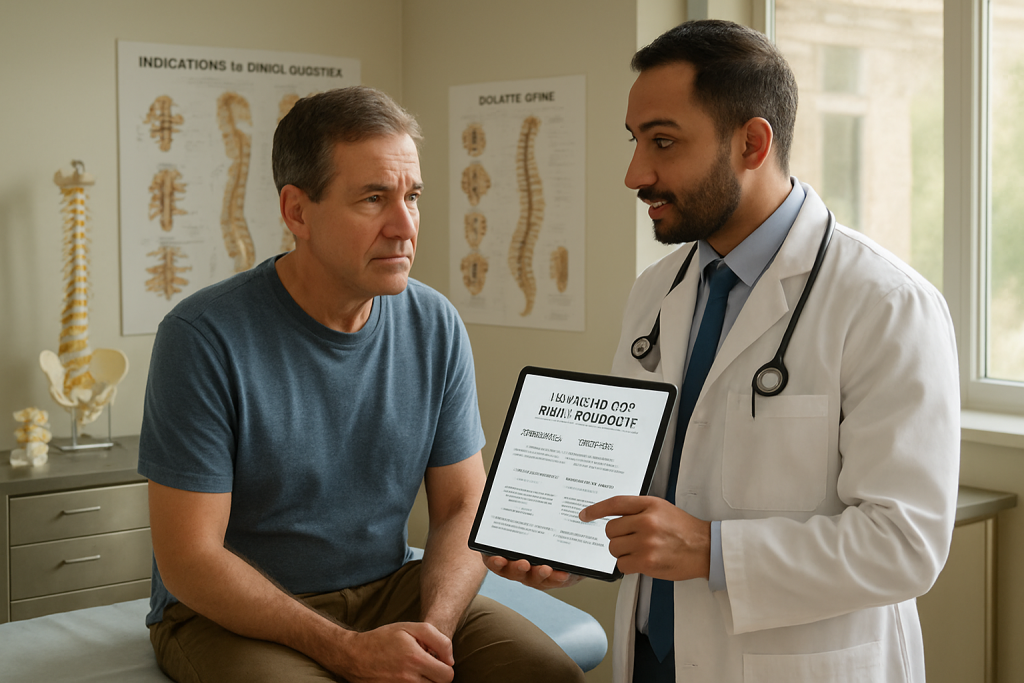
Back surgery remains a pivotal intervention for individuals grappling with chronic spinal conditions that have resisted conservative treatments. By 2025, advances in spinal surgery have not only refined the criteria for surgical eligibility but have also enhanced patient outcomes through innovative technologies and interdisciplinary care pathways. Across transatlantic collaborations, notably between Quebec and France, patients benefit from expedited access to expert surgeons and cutting-edge procedures, including minimally invasive techniques and dynamic implants like those from internationally recognized companies such as Medtronic, NuVasive, and Zimmer Biomet. Despite its promise, back surgery demands a stringent selection process, weighing potential benefits against risks and limitations. Understanding these eligibility criteria, along with the evolving surgical modalities and the importance of longitudinal patient support, is essential for both clinicians and patients considering this complex treatment route.
Medical Indications and Comprehensive Evaluation for Back Surgery Eligibility
The decision to proceed with back surgery rests on a rigorous evaluation of symptoms, radiological findings, and the effectiveness of previous non-surgical treatments. Patients presenting with chronic lumbar or cervical pain, radiculopathy, or neurological deficits such as weakness or sensory loss require detailed assessment to determine surgical candidacy. Essential to this process is a personalized approach integrating clinical examination, patient-reported outcome measures, and advanced imaging modalities like MRI or CT scans.
This thorough evaluation ensures the identification of appropriate indications such as herniated discs, spinal stenosis, spondylolisthesis, or instability that can be surgically addressed. For instance, persistent sciatica due to a herniated lumbar disc refractory to physical therapy may qualify a patient for decompressive surgery. Conversely, degenerative disc disease with significant instability might necessitate fusion procedures or dynamic stabilization using devices from manufacturers like Alphatec Spine or Globus Medical.
Moreover, the evaluation considers absolute and relative contraindications, including systemic disease, infection, or anesthesia risks that could preclude surgery. Collaborative networks, exemplified by the Quebec-based Neurothérapie Montréal paired with expert French surgical centers, facilitate multidisciplinary case reviews ensuring strict adherence to eligibility criteria aligned with guidelines such as those presented by the Blue Cross Blue Shield and Carelon medical benefits services (Selection Criteria for Spine Surgery, Carelon Spine Surgery Guidelines).
Preoperative questionnaires evaluating pain intensity and functional impairment, alongside documentation of prior conservative treatments such as pharmacologic management and specialized spinal decompression therapies, inform the eligibility decision. The process is designed to maximize surgical benefits while minimizing risks, catering to each patient’s unique clinical profile.
| Criteria for Surgical Eligibility | Examples of Underlying Conditions | Possible Surgical Interventions |
|---|---|---|
| Persistent pain despite conservative therapy | Herniated disc, chronic sciatica | Decompression, disc replacement with devices from Stryker or Medtronic |
| Confirmed spinal instability | Spondylolisthesis, advanced disc degeneration | Spinal fusion (arthrodesis), dynamic stabilization (Intraspine, TOPS implant) |
| Severe mobility limitations affecting quality of life | Spinal stenosis, myelopathy | Minimally invasive decompression, endoscopic surgery |
To gain deeper insights into preoperative diagnostic procedures and patient preparation, resources from SOS Herniated Disc and similar medical education platforms provide extensive guidance.

Can Rehabilitation and Return to Work Prevent the Need for Surgery?
In the constantly evolving landscape of spinal healthcare, patients and practitioners alike grapple with a pivotal question: can the rigorous pathways of rehabilitation and structured return to work reduce or even eliminate the need for surgical intervention? The answer, as…
Advanced Surgical Techniques and the Benefits of Undergoing Back Surgery in France
Beyond eligibility, the choice of surgical technique plays a crucial role in patient outcomes. French spine centers are at the forefront of adopting minimally invasive methods that significantly reduce tissue trauma, postoperative pain, and length of hospitalization. These innovations translate into faster recovery and improved preservation of spinal function compared to traditional open surgery.
Dynamic implants such as the TOPS system and Intraspine devices, frequently utilized in France and produced by innovators including NuVasive and Globus Medical, exemplify advances allowing segmental stabilization without complete fusion. These implants maintain segment mobility, which correlates with better long-term biomechanical function and reduced adjacent segment degeneration. Likewise, disc replacement prostheses, supported by Smith & Nephew and Boston Scientific technologies, offer alternatives that conserve motion and avoid the stiffness associated with fusion surgeries.
Endoscopic spine surgery, a rapidly growing field taught in programs like the IRCAD Strasbourg courses (EuroSpine Endoscopic Spine Course), employs thin tubular instruments and high-definition cameras to relieve nerve compression via small incisions. This technique diminishes the risk of infection and scarring, providing a less invasive treatment option particularly suited to lumbar and cervical radiculopathies.
Furthermore, cutting-edge robotic assistance and 3D imaging technologies from companies such as eCential Robotics support precise navigation during surgery, enhancing safety and outcomes. The integration of these technologies within centers in France, coordinated through logistical partnerships like Franchir, enables rapid access for Quebec patients seeking the best available care abroad (Neurothérapie Montréal – Spine Surgery Access).
| Surgical Technique | Indications | Benefits |
|---|---|---|
| Spinal Fusion (Arthrodesis) | Severe instability, advanced spondylolisthesis | Durable stabilization, relief from mechanical pain |
| Disc Replacement Prosthesis | Degenerative disc disease, herniated discs | Maintained spinal motion, improved functional outcomes |
| Dynamic Stabilization (TOPS, Intraspine) | Moderate instability, spinal stenosis | Preserved mobility, decreased adjacent segment degeneration |
| Endoscopic Surgery | Nerve decompression, limited herniations | Less invasive, reduced recovery time |
For patients seeking comprehensive explanations of surgical methods and personalized quotes, the organization SOS Tourisme Médical provides exceptional patient-oriented resources.
Exploring the Overlooked Benefits of Spine Surgery in France
Spinal disorders are a significant health concern for many patients worldwide, yet the solutions and benefits of spine surgery often remain underappreciated. France, with its advanced healthcare infrastructure and pioneering surgical techniques, has emerged as a noteworthy destination for patients…
Structured Patient Pathway from Quebec to France: Personalized Support and Seamless Coordination
The medical journey from Quebec to France for back surgery exemplifies a model of thorough coordination blending clinical excellence with logistical ease. Neurothérapie Montréal, in partnership with organizations like Franchir and SOS Tourisme Médical, orchestrates this process ensuring that patients experience a supportive and streamlined pathway.
The pathway begins with an initial evaluation in Montreal involving multi-disciplinary review facilitated by experts including Dr. Sylvain Desforges with a comprehensive clinical and imaging assessment. Candidates meeting rigorous surgical criteria are then carefully matched with the optimum surgical center and specialist in France based on their pathology and treatment needs.
Practical arrangements such as travel, lodging, and hospital admission are managed to minimize stress and optimize patient comfort. Postoperatively, patients return to Quebec where they receive tailored rehabilitative care involving neurofeedback and biofeedback techniques managed by Neurothérapie Montréal to enhance recovery and functional restoration.
- Step 1: Initial clinical and imaging evaluation at Montreal centers.
- Step 2: Selection of surgical center and surgeon in France.
- Step 3: Coordinated logistics including travel and accommodation.
- Step 4: Surgery performed using advanced techniques.
- Step 5: Postoperative follow-up and neuro-functional rehabilitation in Quebec.
This transatlantic collaboration reflects a patient-centered philosophy reducing wait times, improving access to state-of-the-art care, and delivering continuity of care. Incorporating this pathway within the larger context of international medical tourism highlights the rise of global networks prioritizing patient outcomes and experience (Comparative Analysis of Spinal Care in France and Quebec).
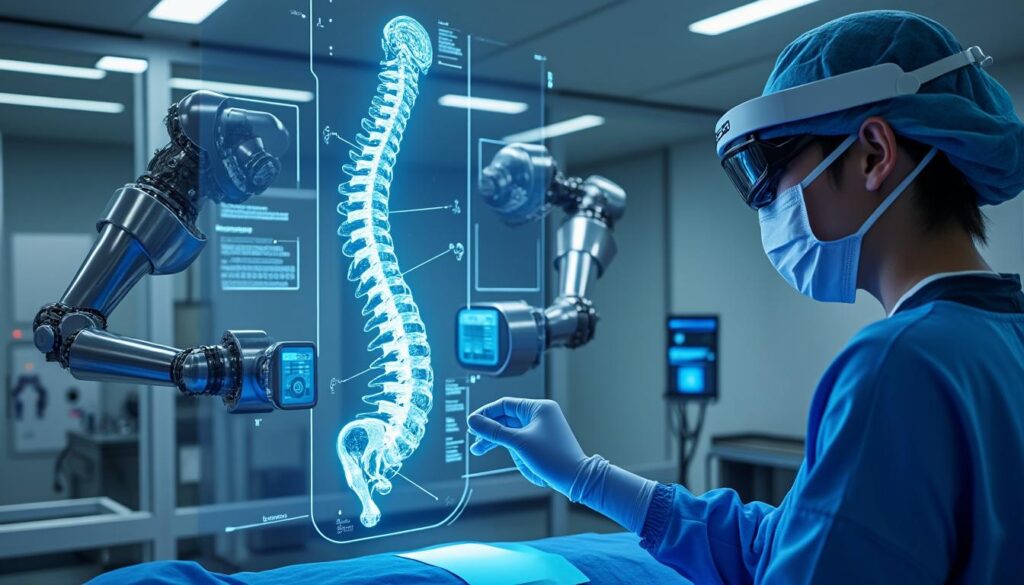
Cousin Spine Technology and Franchir: Transforming Surgical Decision-Making
In recent years, the integration of advanced medical technologies has dramatically shifted how spinal surgeries are planned, performed, and managed. Among the transformative developments, the alliance between Cousin Spine Technology and Franchir stands out as a pioneering force redefining surgical…
Understanding the Limitations and Contraindications of Back Surgery: Managing Risks and Patient Expectations
While technological advances have expanded the possibilities of back surgery, it remains imperative to clearly elucidate the potential limitations and contraindications to surgery. Patients should understand that surgical intervention may not resolve all symptoms and that the procedure carries inherent risks.
Absolute contraindications include active systemic infections, uncorrected coagulopathies, and severe medical comorbidities that elevate anesthesia risk beyond acceptable levels. Relative contraindications might be advanced age or poor health status that can hinder postoperative recovery and functional gains.
Complications such as wound infection, bleeding, nerve injury, or hardware failure, though infrequent with modern techniques, necessitate vigilance and risk mitigation strategies. In degenerative myelopathy cases, surgery may arrest progression but residual neurological deficits often persist, requiring comprehensive rehabilitation support.
Dialogue between the surgical team and patient focusing on realistic expectations is essential for satisfaction and adherence. Postoperative follow-up incorporating functional assessment, tailored neurotherapy, and potential adjunct treatments optimize long-term outcomes. This transparent approach respects patient autonomy and supports shared decision-making.
| Limitations | Potential Consequences | Mitigation Strategies |
|---|---|---|
| Residual pain after surgery | Continued impairment in quality of life | Comprehensive neuro-functional rehabilitation and adjunct therapies |
| Intraoperative or postoperative complications | Extended hospital stay and additional interventions | Careful patient selection and intensive perioperative monitoring |
| Partial functional recovery | Persistent neurological deficits or disability | Customized rehabilitation programs and ongoing neurotherapy |
For an in-depth understanding of medical necessity criteria and insurer policies affecting coverage, professional resources such as Understanding Medical Necessity and Coverage are invaluable.
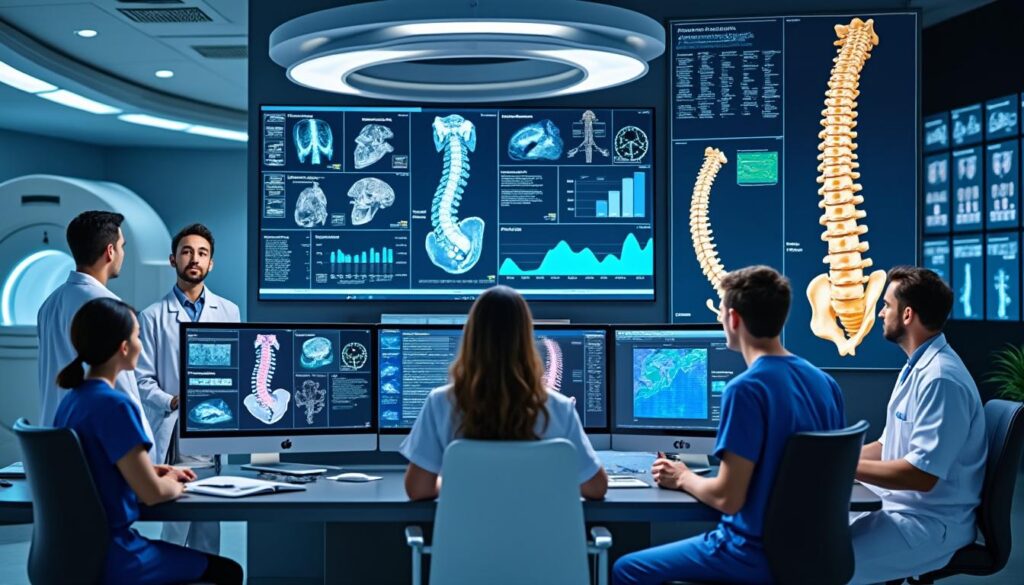
Insights from Research on Preventing Post-Laminectomy Syndrome
Post-Laminectomy Syndrome (PLS), a chronic pain condition arising after spinal surgery, remains a formidable challenge in spinal surgery and pain management. Despite advances in surgical techniques, a significant subset of patients continues to experience persistent neuropathic pain and functional limitations,…
Comprehensive Patient Support Throughout the Back Surgery Process
The multidimensional care pathway managed by dedicated teams, including patient navigators like Marcel Mazaltarim, bridges scientific innovation with empathetic patient engagement. This holistic approach ensures that clinical decisions harmonize with patient values and lifestyle.
Key components include:
- Personalized Evaluation: Collaborative review involving neurosurgeons and neurotherapists to confirm eligibility and avoid one-size-fits-all decisions.
- Logistical Coordination: Streamlined planning for medical travel eliminating common barriers linked to distance and unfamiliar healthcare systems.
- Postoperative Neurotherapy: Use of biofeedback and neurofeedback technologies to enhance neurological recovery and patient autonomy.
- Multidisciplinary Rehabilitation: Engagement of physiotherapists, neurologists, and psychologists for comprehensive rehabilitation and support.
- Psychosocial Assistance: Addressing emotional and lifestyle challenges to fortify resilience during recovery.
Such an integrated model contributes to reduced anxiety, improved treatment adherence, and ultimately, better clinical outcomes, reaffirming the importance of continuous personalized care in complex spinal surgery cases.

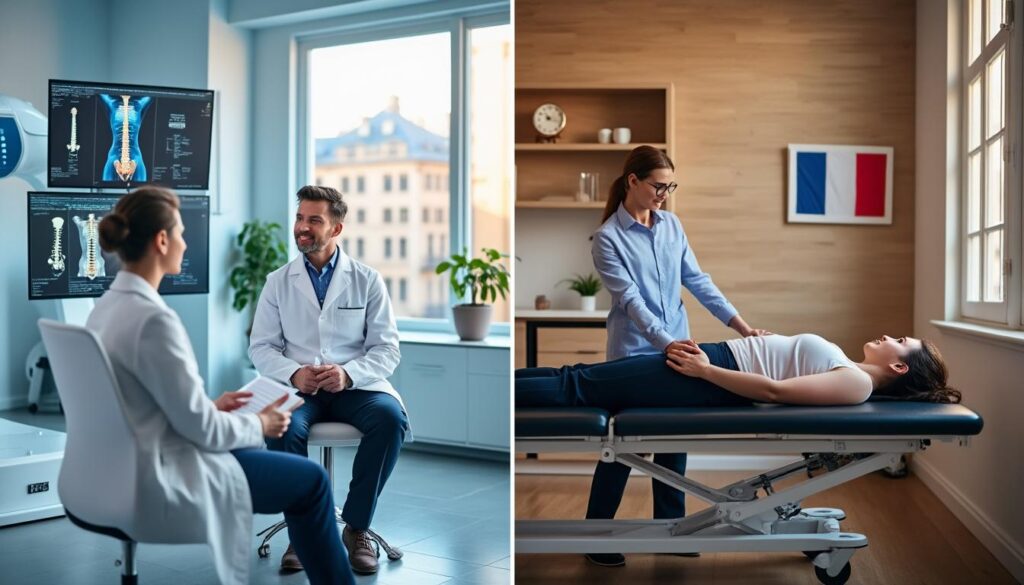
International Comparison: Spotlight on Spine Care Practices Between France and Quebec
The growing emphasis on spine health in Quebec has spotlighted the value of international collaboration in advancing patient care. With the challenges of prolonged wait times and high private care costs in Quebec, France emerges as an attractive alternative, boasting…
Essential Preoperative Tests and Documentation for Back Surgery Qualification
The pathway to surgical intervention necessitates gathering a variety of medical documents and imaging studies for thorough assessment. Preoperative workup typically includes:
- Recent Spinal Imaging: High-resolution MRI, CT scans, or X-rays to visualize anatomical abnormalities.
- Clinical Reports: Detailed records from prior consultations, therapies, and neurologic evaluations.
- Patient Questionnaires: Standardized tools measuring pain severity, functional limitations, and quality-of-life impact.
- Medical History and Treatment Logs: Documentation of ongoing medications and previous non-surgical interventions such as spinal decompression therapy.
- Administrative Papers: Identification documents, insurance details, and consent forms.
These elements form a comprehensive dossier evaluated by multidisciplinary teams to confirm eligibility and tailor surgical planning. Early preparation facilitates smoother transitions through each phase of care, reducing misunderstandings and cancellations.
| Document or Examination | Purpose | Practical Tips |
|---|---|---|
| MRI or CT Scan | Accurate diagnosis of spinal pathology | Provide latest, high-quality images with reports |
| Medical and Treatment Reports | Holistic understanding of patient condition | Gather all recent consultation and therapy summaries |
| Functional Questionnaires | Quantify symptom burden and quality of life | Complete with accuracy and honesty |
| Medication and Therapy History | Inform treatment decision-making | Document all current and past treatments |
| Identification and Insurance Documentation | Facilitate administrative processing | Prepare in advance to prevent delays |
More detailed checklists and preparation guidance are accessible through SOS Herniated Disc – Insurance Coverage for Spinal Decompression Therapy.

Medical Logistics and Accommodation: Central Pillars in the Patient Care Journey
In the evolving landscape of global healthcare, the interplay between medical logistics and patient accommodation has become a cornerstone for effective and patient-centric care delivery. This synergy is particularly evident in the management of international patient journeys, where cross-border coordination,…
Long-term Outcomes and Quality of Life Improvements After Spine Surgery in France
Patients opting for spine surgery in France frequently report significant long-term benefits that include reduced chronic pain, improved spinal mobility, and enhanced ability to engage in daily and professional activities. Preservation of spinal dynamics through devices by companies like Boston Scientific and Depuy Synthes contributes to lower rates of adjacent segment disease, a common postoperative challenge.
Customized postoperative regimens foster better musculoskeletal health and aid in the prevention of recurrence. Close longitudinal follow-up ensures the early identification and management of complications, maximizing functional gains.
Importantly, the partnership model between Quebec and French medical providers offers patients confidence in state-of-the-art care, positively influencing psychological well-being and treatment satisfaction. Published data substantiate improved quality of life indices in cohorts managed through such collaborative frameworks, underscoring the value of this integrated approach (NCBI Spine Surgery Outcomes).
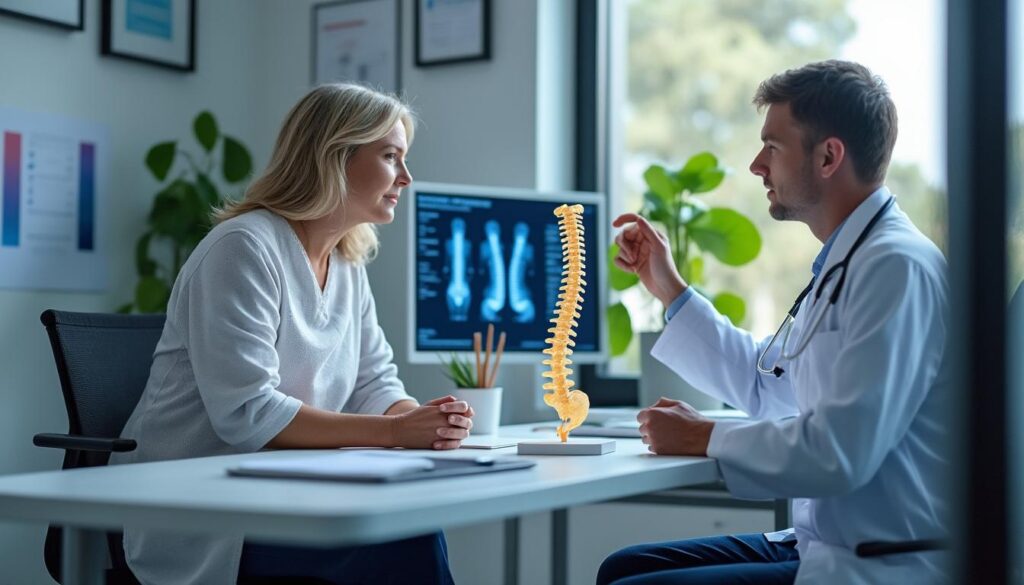
Comprehensive Guide to Eligibility Criteria for Back Surgery
The decision to undergo back surgery involves numerous complex considerations that extend beyond the presence of spinal discomfort. Through an international collaboration between healthcare experts in Quebec and France, patients facing severe spine conditions now have access to advanced surgical…
Common Concerns About Back Surgery in France Answered
What are the typical wait times for spinal surgery in France compared to Quebec?
French healthcare institutions often offer substantially shorter wait times than those found in Quebec, thanks to organized programs facilitated by networks like Franchir. This prioritization ensures expedited access, which can be crucial for conditions requiring timely intervention to prevent neurological deterioration (How to Decide to Have Back Surgery).
How are the costs managed in an international surgery pathway?
Costs vary depending on the surgical method, implants utilized, and hospital. However, detailed estimates are provided in advance, and some private insurers in Quebec may cover part of these expenses. Consideration of cost-effectiveness also includes reduced disability and faster return to productivity (Spinal Decompression Therapy Questions).
What does postoperative care involve after returning to Quebec?
A structured neurotherapeutic follow-up, including biofeedback and functional assessments, supports recovery. This continuity of care is pivotal to reinforce surgical benefits and minimize recurrence risks.
What specific eligibility criteria are emphasized in the transatlantic collaboration?
Key criteria include documented failure of specialized conservative treatments, precise imaging confirmation, absence of serious contraindications, and patient motivation for rehabilitation. Such comprehensive screening embeds surgical indication within a patient-centric framework.
Back Surgery Eligibility Quiz
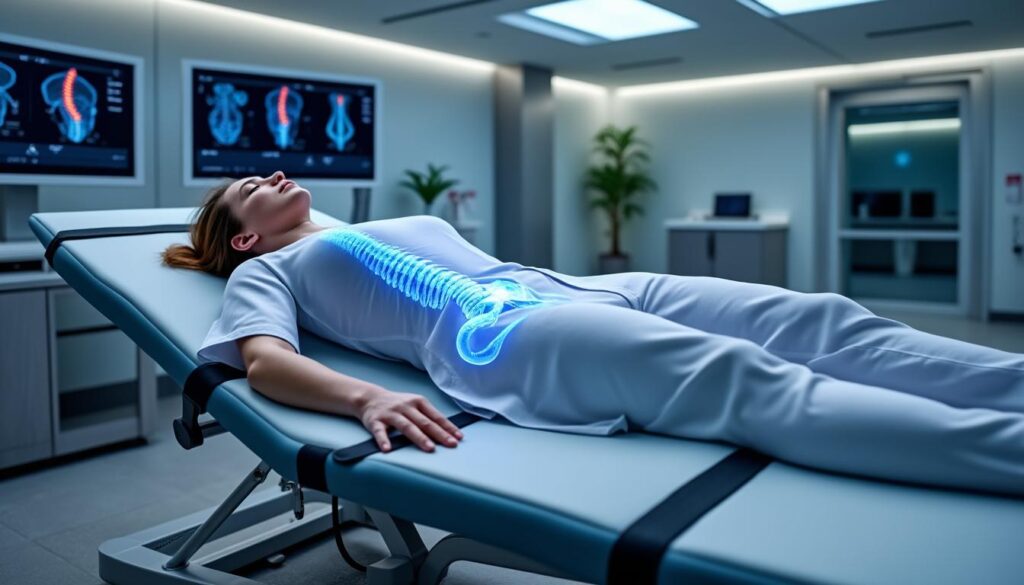
Unveiling the Hidden Benefits of Neurovertebral Decompression Therapy
Chronic back and neck pain remain pervasive health issues impacting millions, often leading to debilitating effects on daily life and overall well-being. Traditional management strategies frequently fall short due to lengthy wait times, high costs, or invasive procedures. Amid this…
What imaging and diagnostic documents are crucial for back surgery qualification?
Essential preoperative documentation includes detailed MRI scans or CT imaging that precisely define spinal abnormalities. These images must be accompanied by full medical histories and treatment documentation to allow multidisciplinary teams to accurately evaluate surgical need and plan interventions appropriately.
How important is postoperative rehabilitation in ensuring successful back surgery outcomes?
Postoperative rehabilitation constitutes a cornerstone of successful recovery. Activities guided by neurotherapists focusing on functional restoration, including biofeedback and neurofeedback sessions, help maximize neurological recovery and reduce residual symptoms. Neglecting this phase often leads to suboptimal results despite surgical success.
Can patients with certain systemic diseases undergo back surgery safely?
Patients with systemic illnesses require thorough risk assessment. While some diseases pose absolute contraindications, others may be managed conservatively or with tailored perioperative care. A multidisciplinary team approach is vital to balance risks and benefits in such complex cases.
Are newer surgical implants more advantageous over traditional fusion techniques?
Innovative implants such as dynamic stabilization devices from companies like Alphatec Spine or ProDisc replacements from Smith & Nephew offer motion preservation that can reduce adjacent segment degeneration. However, patient-specific factors dictate implant choice, underscoring the need for individualized surgical planning.
How do insurance policies affect the accessibility of back surgery?
Understanding insurance criteria is crucial; many denials are due to lack of documented medical necessity. Patients and providers must navigate prior authorization requirements, demonstrating failure of conservative treatments, which impacts timely access to surgery (Medical Necessity Guidelines).